
10 Signs You May Need a Dental Bridge
October 29, 2026
Dental Bridge
Losing a tooth can affect more than your appearance. It may change how you chew, speak, and feel about your smile. Even a single missing tooth can create challenges that become more noticeable over time.
If you’re dealing with a gap in your smile, exploring a dental bridge in Edinburg may help you understand your tooth replacement options. At Palm Valley Dental, patients can discuss their concerns and find out whether a dental bridge is appropriate for their oral health needs.
But how can you tell when it’s time to consider one? Here are 10 signs you need a dental bridge evaluation and what they could mean for your smile.
What Are the Signs You Need a Dental Bridge?
The most common signs you may need a dental bridge include one or more missing teeth, difficulty chewing, food getting trapped in gaps, shifting teeth, changes in your bite, and concerns about your smile. A dental bridge can replace certain missing teeth, but a dentist must evaluate your oral health to determine whether it’s the right solution.
10 Signs You May Need a Dental Bridge
1. You Have One or More Missing Teeth
One of the clearest reasons to consider a dental bridge is having a missing tooth.
Whether you lost a tooth because of decay, injury, or an extraction, the empty space may affect how your remaining teeth function.
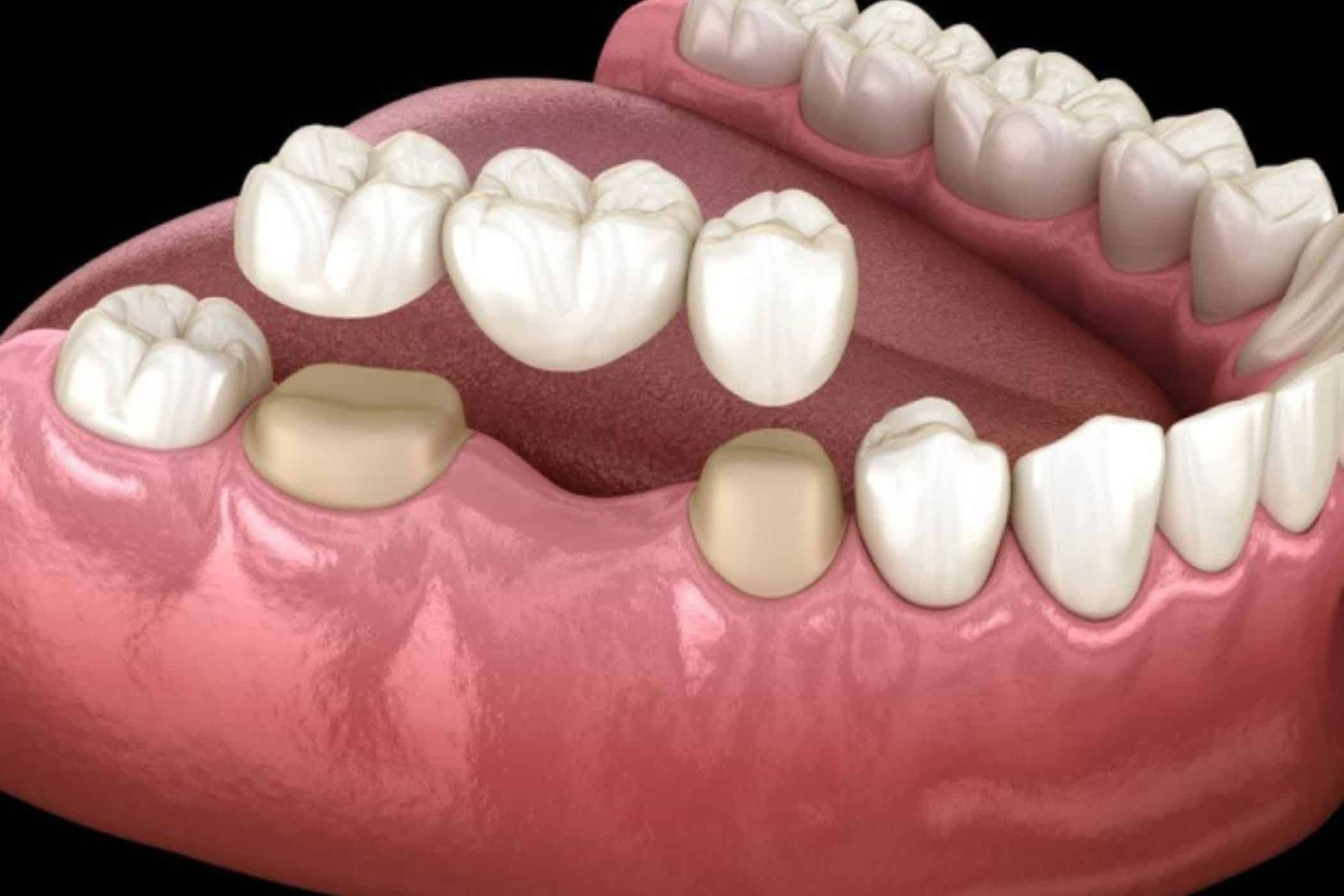
A traditional dental bridge replaces missing teeth using artificial teeth supported by crowns on neighboring natural teeth.
However, not every missing tooth requires a bridge. Your dentist will consider the location of the gap, the condition of nearby teeth, and your treatment preferences.
2. You Have Difficulty Chewing Certain Foods
Have you started avoiding crunchy vegetables, nuts, or other foods because chewing feels uncomfortable?
Missing teeth can make it harder to distribute chewing pressure evenly. You may find yourself using one side of your mouth more frequently.
A properly designed dental bridge may help restore chewing function by replacing missing teeth.
If chewing has become difficult, schedule an evaluation rather than continuing to avoid foods you normally enjoy.
3. Food Frequently Gets Stuck Between Your Teeth
A missing tooth creates an open space where food particles can collect.
You might notice yourself reaching for floss after every meal or feeling uncomfortable because food repeatedly gets trapped in the same area.
Although this can happen for several reasons, a gap caused by tooth loss may contribute to the problem.
Replacing a missing tooth with a dental bridge may help restore the shape of your dental arch. You’ll still need to clean carefully around and underneath the bridge.
4. Your Remaining Teeth Are Starting to Shift
When a tooth is missing, neighboring teeth may gradually tilt or move toward the empty space.
This movement can affect tooth alignment and sometimes make cleaning more challenging.
You might notice:
- A gap that looks different than it did before
- Changes in how your teeth fit together
- New spaces between neighboring teeth
Replacing a missing tooth may help limit unwanted movement, depending on your individual situation.
5. Your Bite Feels Different
Your bite describes how your upper and lower teeth meet when you close your mouth.
Missing teeth can change how chewing forces are distributed, potentially affecting your comfort when eating.
You may notice that certain teeth touch differently or that chewing feels less balanced.
These symptoms don’t automatically mean you need a bridge. Bite changes can have several causes, so a dental examination is important before selecting treatment.
6. You Feel Self-Conscious About Your Smile
A missing front tooth can be especially noticeable when smiling, laughing, or speaking.
Some people begin covering their mouths in photos or avoiding smiling altogether.
A dental bridge can replace visible missing teeth with restorations designed to blend with the surrounding smile.
The appearance of a bridge depends on its materials, design, and your natural teeth. Your dentist can explain what results may be realistic for you.
7. You Notice Changes in Your Speech
Teeth play an important role in producing certain sounds.
Depending on its location, a missing tooth may affect airflow and tongue placement when speaking.
You might notice a slight whistle, difficulty pronouncing particular words, or changes in speech clarity.
Replacing the missing tooth may improve speech in some cases, although the results vary. Persistent speech changes should be professionally evaluated because they can have other causes.
8. Your Neighboring Teeth Are Healthy Enough to Support a Bridge
A traditional dental bridge typically relies on teeth beside the gap for support.
If those teeth have sufficient strength and healthy surrounding tissues, they may be suitable for supporting a restoration.
However, even healthy neighboring teeth usually need to be reshaped to accommodate bridge crowns.
This is an important consideration because the procedure permanently changes those teeth.
Your dentist can compare a traditional bridge with other options, including dental implants or removable partial dentures.
9. You Want a Fixed Tooth Replacement Option
Some patients prefer a replacement that stays in place rather than one they remove for cleaning.
A traditional dental bridge is fixed to supporting teeth and cannot be taken out at home.
This may appeal to people who want a stable tooth replacement without daily removal.
However, fixed bridges require careful cleaning, especially beneath the artificial tooth. Your dentist can demonstrate how to use floss threaders or other cleaning tools.
10. You Have Been Putting Off Replacing a Missing Tooth
It’s easy to delay treatment when a missing tooth isn’t causing immediate pain.
You may think the gap isn’t a problem because you can still eat and speak reasonably well.
However, tooth loss can sometimes lead to shifting teeth, bite changes, or additional cleaning difficulties.
If you’ve been living with a missing tooth for months or years, consider scheduling a dental evaluation.
Even if a bridge isn’t the best choice, understanding your options can help you make an informed decision.
When Is a Dental Bridge the Right Choice?
A dental bridge may be recommended when you have one or more missing teeth and suitable support from neighboring teeth or dental implants.
Before recommending treatment, your dentist will typically assess:
- The number and location of missing teeth
- The health of surrounding teeth and gums
- Your bite and chewing function
- The condition of supporting bone and tissues
- Your oral hygiene habits and treatment goals
Dental bridges aren’t suitable for everyone. Patients with active gum disease, significant tooth damage, or inadequate support may need other treatment first.
How Can You Care for a Dental Bridge?
With proper care, a dental bridge can function for many years, although its lifespan varies.
To help protect your restoration:
- Brush twice daily with fluoride toothpaste.
- Clean underneath the bridge using appropriate flossing tools.
- Attend regular dental examinations and cleanings.
- Avoid chewing hard objects such as ice.
- Contact your dentist if the bridge feels loose or uncomfortable.
Good oral hygiene is particularly important because decay or gum disease around supporting teeth can affect the bridge’s long-term success.
Frequently Asked Questions About Dental Bridges
1. How do I know if I need a dental bridge?
You may benefit from a dental bridge if you have missing teeth, difficulty chewing, or changes in your bite. A dental examination is necessary to determine whether a bridge is suitable.
2. Can a dental bridge replace two missing teeth?
Yes. Some bridges can replace two or more missing teeth. Suitability depends on the location of the gap, the strength of the supporting teeth or implants, and other clinical factors.
3. Is getting a dental bridge painful?
The procedure is generally performed using local anesthesia to minimize discomfort. Some temporary sensitivity or soreness may occur afterward. Your dentist can explain what to expect.
4. How long does a dental bridge last?
Many dental bridges last several years, and some last 10 years or longer. Longevity depends on oral hygiene, supporting tooth health, bite forces, and regular dental care.
5. Is a dental bridge better than an implant?
Neither option is best for everyone. A bridge generally avoids implant surgery but may require reshaping adjacent teeth. An implant can replace a tooth without using neighboring teeth for support, but it requires surgery and adequate bone support.
Restore Your Smile With Dental Bridge Care in Edinburg
Recognizing the signs you need a dental bridge is a useful first step toward addressing missing teeth.
Whether you’re having difficulty chewing, noticing changes in your bite, or simply want to feel more comfortable smiling, a professional evaluation can help you understand your options.
At Palm Valley Dental in Edinburg, patients can discuss dental bridges and other tooth replacement treatments based on their individual needs.
You can also view Palm Valley Dental on Google for practice information, directions, and patient feedback.
Schedule a consultation with Palm Valley Dental to learn whether a dental bridge could be an appropriate way to restore your smile.
Recent Post
October 29, 2026
10 Signs You May Need a Dental Bridge

October 29, 2026
10 Signs of TMJ Disorder You Shouldn’t Ignore
October 28, 2026
Signs You Need Veneers for a More Even Smile

October 12, 2026
Do Your Dental Fillings Really Last 10 Years? What Determines Longevity

October 6, 2026
How to Clean Dentures: A Daily Care Routine
Categories
Dental Bridge (1)
Patients love it here

My husband and I visited Palm Valley Dental, and it was a rewarding experience. Dr. Torres and Dr. Trevino are so patient, knowledgeable and professional. Caleb, the Dental Hygienist is also very thorough and courteous. The office staff are so pleasant and helpful as well.


Adalia De Luna
Literally, the first time ever at dentist, went in terrified, left informed on my dental care/plan, and scheduled my return visit for the in depth cleaning. Overall, great experience, staff & doctor were attentive, professional and very receptive to all my questions and even the nervousness I displayed.

Sandra Palomo
I love this place. Aside from the amazing and comprehensive dental services, customer service and my time are really important to me. It is rare to find everything I care about in one place.

Karla DeWald
Dr. Treviño and staff are wonderful!! Very clean environment. Dr is so good I had a filling adjustment without being numbed up!! If that doesn't tell you how good they are, I don't know what will!!

Issa Garcia
I love this place. Aside from the amazing and comprehensive dental services, customer service and my time are really important to me. It is rare to find everything I care about in one place.
Karla DeWald
After experiencing a few negative experiences at a previous dental practice, I cautiously decided to try this new dental place. I had a wonderful first visit here and felt a great relief after my appointment. Everyone I encountered was so kind and friendly, and all my concerns and questions were addressed. I highly recommend. 😊