
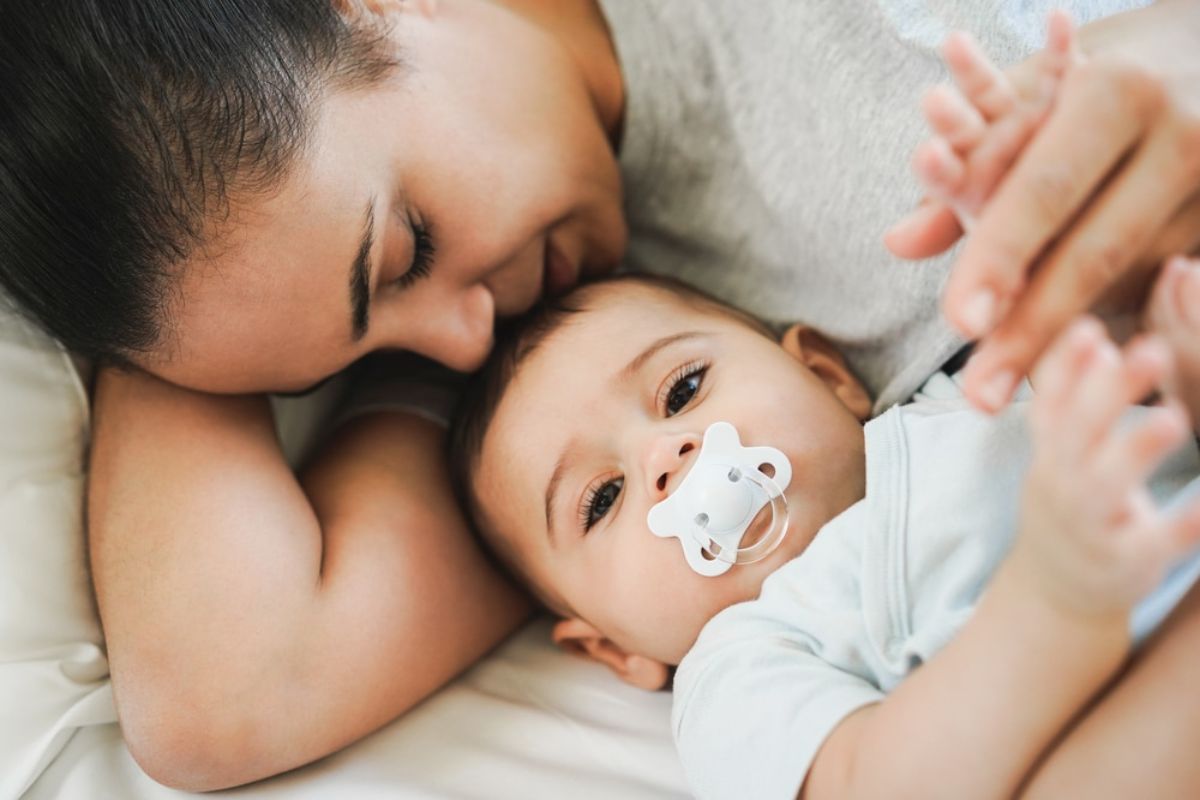
Are Pacifiers Bad for My Baby’s Teeth? Here’s What Pediatric Dentists Say
May 7, 2025
Pediatric Dentistry
As a parent, you know that pacifiers can work like magic when calming a fussy baby. But at some point, you might wonder—are pacifiers bad for my baby’s teeth? It’s a smart question and one that many pediatric dentists hear daily.
Pacifiers have their pros and cons. Used correctly, they can help soothe infants and even reduce the risk of sudden infant death syndrome (SIDS). Prolonged or improper use of a pacifier can disrupt your baby’s oral development. If you’re looking for expert advice, a pediatric dentist in Edinburg can guide you through the best practices for pacifier use.
How Pacifiers Affect Oral Development
Pacifiers aren’t harmful in the early months, but long-term use can lead to dental problems. As your child grows, sucking on a pacifier can cause changes in the roof of the mouth and affect how the teeth line up.
Common pacifier-related dental issues include:
✅Open bite: The front teeth fail to touch when your child closes their mouth.
✅Overbite: The upper teeth push too far forward over the lower teeth.
✅Changes in jaw shape: Extended sucking can alter how the jaws develop.
If caught early, these conditions don’t always require treatment, but delaying weaning can increase the chances your child will need orthodontic care later.
When Should You Stop Using a Pacifier?
Pediatric dentists usually advise parents to phase out pacifier use by age 2 to prevent long-term dental problems. When children continue using a pacifier past age 3, they face a much higher risk of developing misaligned teeth and bite issues.
The earlier you begin to wean, the easier the transition becomes. Consider starting the process slowly, around 12 months, by limiting pacifier use to bedtime or naps.
Tips for Healthy Pacifier Use
If your baby still uses a pacifier, that’s okay. Follow these guidelines to minimize dental risks:
✅Use an orthodontic pacifier. These are designed to support proper oral development.
✅Avoid sweetening pacifiers. Never dip them in honey or sugar, which can cause tooth decay.
✅Keep pacifiers clean. Sanitize regularly to prevent bacterial buildup.
✅Replace worn-out pacifiers. Cracks and damage can become a choking hazard.
Encouraging your child to self-soothe in other ways, like hugging a favorite stuffed animal, can also help reduce dependency.
What Do Pediatric Dentists Recommend?
Pediatric dentists agree that pacifiers can be safe when used wisely. They support pacifier use during infancy but caution parents to monitor how long and often their child uses one.
Routine dental checkups are also key. Schedule your child’s first dental visit by their first birthday or within six months after their first tooth erupts. At these visits, your dentist can spot early signs of pacifier-related dental issues and suggest ways to correct them before they worsen.
Takeaway: Use Pacifiers Smartly, Wean Early
Pacifiers offer comfort, but like anything else, moderation is key. Following expert advice and monitoring usage can help protect your child’s dental health from the start. If you are unsure when or how to wean, a trusted pediatric dentist can walk you through the steps.
Looking for expert dental care? Schedule an appointment or visit our dental office today to meet with our pediatric dental team and ensure your baby’s smile stays healthy from the start.
Recent Post

October 6, 2026
How to Clean Dentures: A Daily Care Routine
September 25, 2026
Signs of Cavities in Children: What Parents Should Know
September 17, 2026
How Long Do Dentures Last? Signs to Replace Them
September 14, 2026
What Foods Can You Eat After Dental Implant Surgery?

September 8, 2026
10 Signs You May Need Root Canal Treatment
Categories
Pediatric Dentistry (31)
Patients love it here

My husband and I visited Palm Valley Dental, and it was a rewarding experience. Dr. Torres and Dr. Trevino are so patient, knowledgeable and professional. Caleb, the Dental Hygienist is also very thorough and courteous. The office staff are so pleasant and helpful as well.


Adalia De Luna
Literally, the first time ever at dentist, went in terrified, left informed on my dental care/plan, and scheduled my return visit for the in depth cleaning. Overall, great experience, staff & doctor were attentive, professional and very receptive to all my questions and even the nervousness I displayed.

Sandra Palomo
I love this place. Aside from the amazing and comprehensive dental services, customer service and my time are really important to me. It is rare to find everything I care about in one place.

Karla DeWald
Dr. Treviño and staff are wonderful!! Very clean environment. Dr is so good I had a filling adjustment without being numbed up!! If that doesn't tell you how good they are, I don't know what will!!

Issa Garcia
I love this place. Aside from the amazing and comprehensive dental services, customer service and my time are really important to me. It is rare to find everything I care about in one place.
Karla DeWald
After experiencing a few negative experiences at a previous dental practice, I cautiously decided to try this new dental place. I had a wonderful first visit here and felt a great relief after my appointment. Everyone I encountered was so kind and friendly, and all my concerns and questions were addressed. I highly recommend. 😊