

Is Invisalign Really Worth It? Honest Pros, Cons, and Who Should Avoid It
April 23, 2026
Invisalign
If you have been thinking about straightening your teeth, you have probably heard about Invisalign. It sounds easy: clear trays, no metal, no hassle. But is it really that simple? Patients at Palm Valley Dental, a trusted dentist in Edinburg, TX, ask this question often. And they deserve a straight answer.
This post breaks it all down so you can make the right call for your smile, your budget, and your lifestyle.
What Is Invisalign and How Does It Work?
Invisalign uses a series of custom-made, clear plastic trays called aligners. You wear each set for about one to two weeks before switching to the next one. Over time, the trays gently shift your teeth into place.
You remove them to eat, brush, and floss. That is one of the biggest differences compared to traditional braces.
According to the American Dental Association, clear aligner therapy has grown significantly and works well for mild to moderate alignment issues when patients follow through with treatment.
The Real Pros of Invisalign
1. They Are Nearly Invisible
Most people will not notice you are wearing them. This matters a lot for adults in professional settings and teens who feel self-conscious.
2. You Can Eat What You Want
With traditional braces, popcorn and hard candy are off-limits. With Invisalign, you just take the trays out before eating.
3. Easier Oral Hygiene
Brushing and flossing stay simple. You are not cleaning around wires and brackets. This lowers the risk of cavities during treatment.
4. Fewer Emergency Visits
Broken wires and poking brackets are not a concern with clear aligners. That means fewer unexpected trips to the office.
5. Comfort
The smooth plastic is gentler on your cheeks and gums than metal hardware.
The Honest Cons You Should Know
1. You Must Wear Them 20 to 22 Hours a Day
This is where many patients struggle. If you take them out too often, treatment stops working. Discipline is not optional here.
2. Not Right for Every Case
Severe crowding, large gaps, or complex bite issues may need traditional braces. An Edinburg dentist will review your X-rays and tooth structure before recommending Invisalign.
3. The Cost Can Be High
Invisalign can run anywhere from $3,000 to $8,000 depending on the complexity of your case. Some insurance plans cover part of it, but not all.
4. Attachments May Be Needed
Some cases require small tooth-colored bumps glued to your teeth. These help the aligners grip and move teeth. They are not as invisible as the ads suggest.
5. Speech Takes Adjustment
Some people notice a slight lisp in the first few days. It usually fades, but it is worth knowing ahead of time.
Who Is a Good Candidate?
Invisalign works best for adults and older teens who have:
- Mild to moderate crowding
- Small gaps between teeth
- Minor bite issues like overbite or underbite
- The discipline to keep aligners in consistently
A good candidate is also someone with fully erupted permanent teeth and healthy gums and bone. The American Association of Orthodontists recommends getting a full evaluation before starting any aligner treatment.
Who Should Think Twice or Avoid It?
Invisalign may not be the right fit if you:
- Have severe bite problems or major crowding
- Are prone to losing things (trays get lost)
- Cannot commit to wearing them daily
- Have certain dental restorations that affect how aligners fit
- Are a young child whose teeth are still coming in
This is not about scaring you off. It is about making sure your money and time go toward something that will actually work.
How Long Does Treatment Take?
Most mild cases wrap up in 6 to 12 months. More involved cases can run 18 months or longer. Your provider checks your progress every 6 to 8 weeks. Skipping appointments slows things down.
Frequently Asked Questions
Q: Does Invisalign hurt?
A: Some pressure is normal when switching to a new tray. It usually fades within a day or two.
Q: Can I drink coffee with aligners in?
A: No. Hot drinks warp the plastic and stain the trays. Water only while wearing them.
Q: Is Invisalign covered by dental insurance?
A: Some plans cover a portion. Check with your insurance provider and ask the dental office for a cost breakdown.
Q: How do I clean my aligners?
A: Rinse them with cool water and brush gently with a soft toothbrush. Avoid toothpaste, as it can scratch the plastic.
Q: What happens after Invisalign?
A: You will need a retainer to keep your teeth in place. This step is not optional.
Q: Can Invisalign fix a bad bite?
A: It depends on how severe the bite issue is. Mild cases often respond well. Severe ones may need traditional orthodontics.
Q: Is there an age limit for Invisalign?
A: There is no upper age limit. Adults of any age can be good candidates as long as their teeth and gums are healthy. Learn more from the Cleveland Clinic’s overview of Invisalign.
Conclusion: Is It Worth It?
For the right person, yes. Invisalign offers real comfort, convenience, and results that hold up over time. But it is not a one-size-fits-all fix. The best way to know if it is right for you is to sit down with a provider who will be honest about what your teeth actually need.
If you are in the area, Palm Valley Dental is a trusted dentist in Edinburg, TX that takes time to review your full dental history before making any recommendation.
Do not guess when it comes to your smile. Schedule a consultation and get a clear picture of what your options are. You can also contact a local dental office to ask questions before committing to anything. Making an informed choice is always the right move.
Palm Valley Dental | Edinburg, TX
Recent Post

October 6, 2026
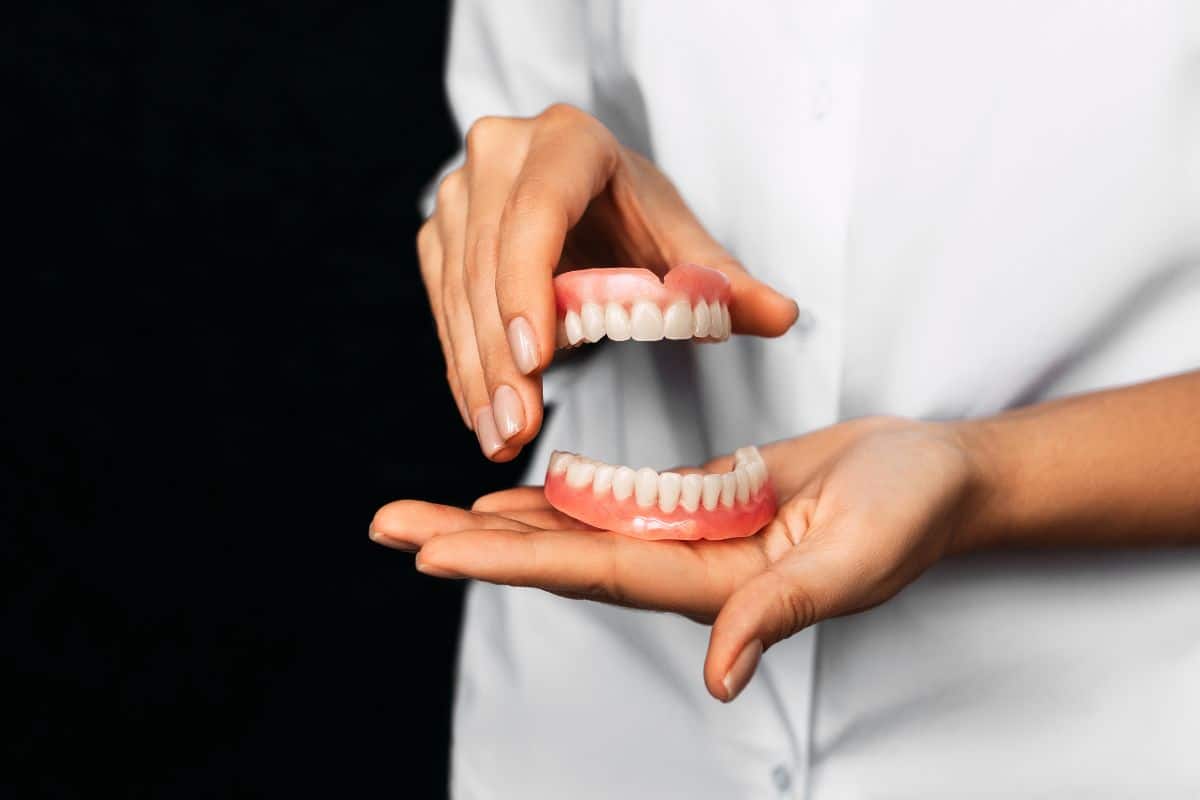
How to Clean Dentures: A Daily Care Routine

September 25, 2026
Signs of Cavities in Children: What Parents Should Know
September 17, 2026
How Long Do Dentures Last? Signs to Replace Them

September 14, 2026
What Foods Can You Eat After Dental Implant Surgery?

September 8, 2026
10 Signs You May Need Root Canal Treatment
Categories
Invisalign (18)
Patients love it here

My husband and I visited Palm Valley Dental, and it was a rewarding experience. Dr. Torres and Dr. Trevino are so patient, knowledgeable and professional. Caleb, the Dental Hygienist is also very thorough and courteous. The office staff are so pleasant and helpful as well.


Adalia De Luna
Literally, the first time ever at dentist, went in terrified, left informed on my dental care/plan, and scheduled my return visit for the in depth cleaning. Overall, great experience, staff & doctor were attentive, professional and very receptive to all my questions and even the nervousness I displayed.

Sandra Palomo
I love this place. Aside from the amazing and comprehensive dental services, customer service and my time are really important to me. It is rare to find everything I care about in one place.

Karla DeWald
Dr. Treviño and staff are wonderful!! Very clean environment. Dr is so good I had a filling adjustment without being numbed up!! If that doesn't tell you how good they are, I don't know what will!!

Issa Garcia
I love this place. Aside from the amazing and comprehensive dental services, customer service and my time are really important to me. It is rare to find everything I care about in one place.
Karla DeWald
After experiencing a few negative experiences at a previous dental practice, I cautiously decided to try this new dental place. I had a wonderful first visit here and felt a great relief after my appointment. Everyone I encountered was so kind and friendly, and all my concerns and questions were addressed. I highly recommend. 😊