

At What Age Does a Pacifier Start Affecting Your Child’s Teeth?
March 10, 2025
Pediatric Dentistry
Pacifiers can be lifesavers for soothing fussy babies, but prolonged use can affect your child’s dental health. Many parents wonder, “At what age does a pacifier start to cause dental problems?” Understanding the impact of pacifiers on your child’s teeth can help you make informed decisions and protect their smile.
When Do Pacifiers Start to Affect Dental Health?
According to the American Academy of Pediatric Dentistry (AAPD), pacifier use typically starts affecting a child’s teeth around age 2. Prolonged use beyond this age increases the risk of dental issues such as:
Misaligned Teeth: Extended pacifier use can push front teeth forward, leading to an open bite.
Changes in Jaw Development: Constant sucking can impact the growth and shape of the jaw.
Speech Difficulties: Misalignment may cause speech impediments like lisping or pronouncing certain sounds.
These problems can become more noticeable by age 3, especially if pacifier use continues. Dentists recommend weaning children off pacifiers by age 2 to prevent long-term dental complications.
Signs Your Child’s Pacifier Use Is Affecting Their Teeth
Early detection of pacifier-related dental issues allows for timely intervention. Look for these warning signs:
- Front teeth slanting outward
- Difficulty closing the mouth properly
- Changes in speech patterns
- Frequent mouth breathing
If you notice these signs, visit a pediatric dentist in Edinburg for a thorough dental evaluation.
Tips to Help Your Child Stop Using a Pacifier
Transitioning away from a pacifier can be challenging, but a gentle and consistent approach helps ease the process. Here are some practical tips:
Set a Timeline: Establish a clear plan to reduce pacifier use gradually by age 2.
Use Positive Reinforcement: Celebrate milestones when your child goes without a pacifier.
Offer Comfort Alternatives: Provide a favorite stuffed toy or blanket for reassurance.
Limit Pacifier Use: Restrict it to naptime and bedtime only.
Pediatric dentists often suggest using a reward chart to track progress, which motivates children to break the habit.
What Happens If You Don’t Stop Pacifier Use?
Ignoring pacifier habits can lead to long-term dental issues. Research shows that 68% of children who use pacifiers beyond age 4 develop dental misalignment. Untreated problems may require orthodontic treatment, such as braces, later.
Long-term effects can include:
- Open bites or crossbites
- Delayed permanent tooth eruption
- Jaw misalignment
Taking action early prevents complications and helps your child’s teeth develop correctly.
When to Visit a Pediatric Dentist
Regular dental check-ups help monitor your child’s oral health and identify issues early. Experts recommend the first dental visit by your child’s first birthday. If you have concerns about pacifier use, a pediatric dentist can offer personalized guidance.
Take Action Today
Address pacifier use early to protect your child’s smile. If you notice signs of dental changes or have questions, visit our local dental office. Early intervention ensures a healthy, happy smile for years to come.
Book your child’s dental appointment today and give them the best start for a lifetime of healthy teeth.
Recent Post

October 6, 2026
How to Clean Dentures: A Daily Care Routine
September 25, 2026
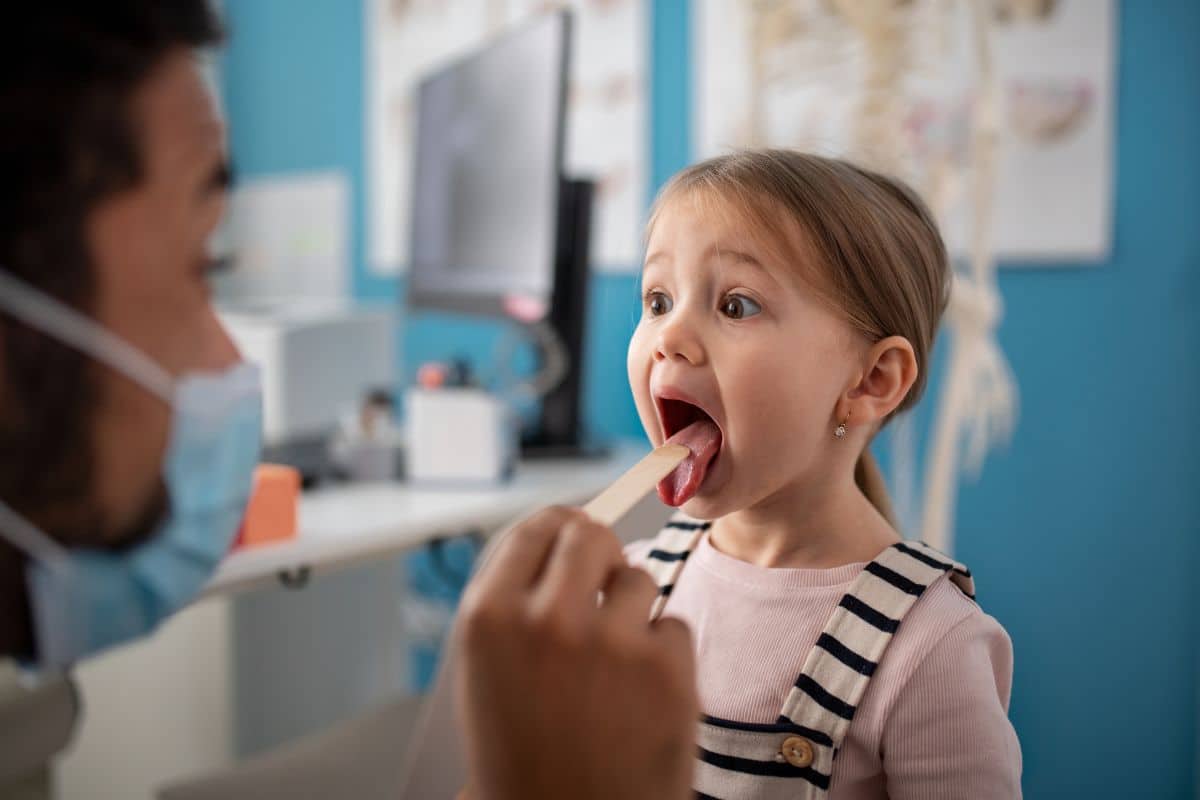
Signs of Cavities in Children: What Parents Should Know
September 17, 2026
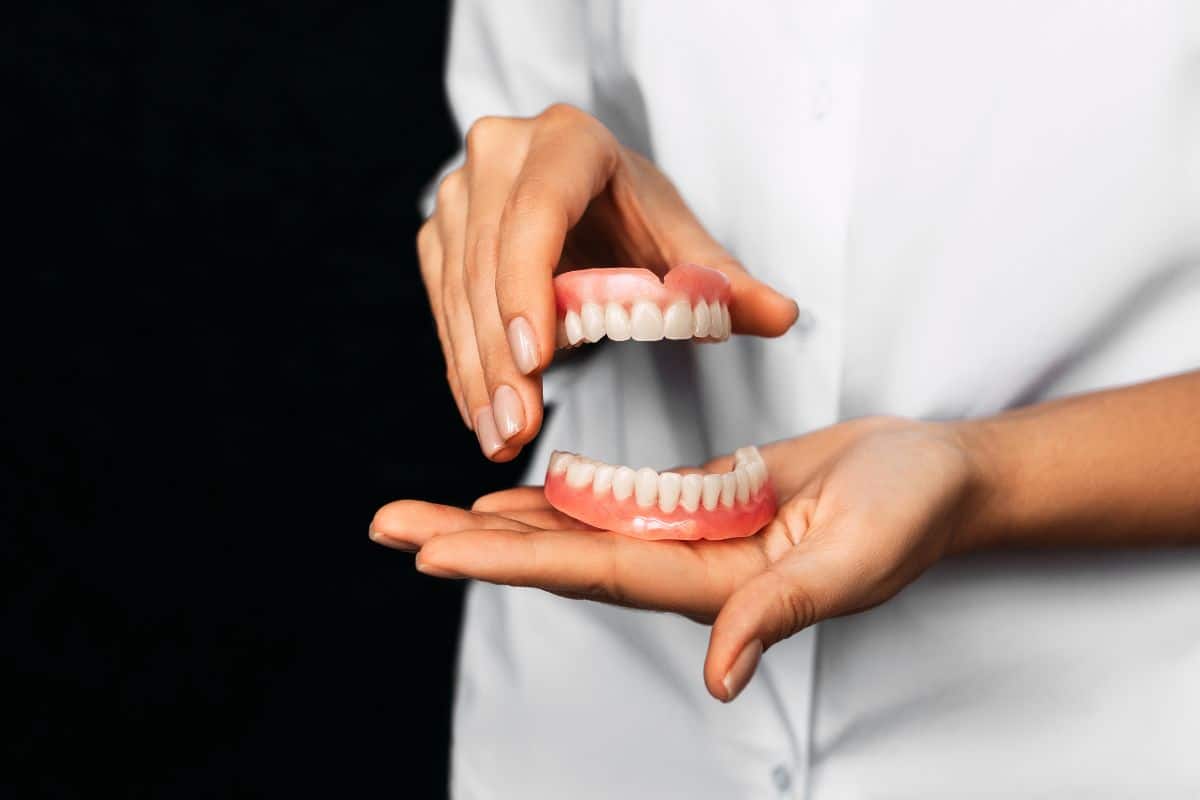
How Long Do Dentures Last? Signs to Replace Them

September 14, 2026
What Foods Can You Eat After Dental Implant Surgery?

September 8, 2026
10 Signs You May Need Root Canal Treatment
Categories
Pediatric Dentistry (31)
Patients love it here

My husband and I visited Palm Valley Dental, and it was a rewarding experience. Dr. Torres and Dr. Trevino are so patient, knowledgeable and professional. Caleb, the Dental Hygienist is also very thorough and courteous. The office staff are so pleasant and helpful as well.


Adalia De Luna
Literally, the first time ever at dentist, went in terrified, left informed on my dental care/plan, and scheduled my return visit for the in depth cleaning. Overall, great experience, staff & doctor were attentive, professional and very receptive to all my questions and even the nervousness I displayed.

Sandra Palomo
I love this place. Aside from the amazing and comprehensive dental services, customer service and my time are really important to me. It is rare to find everything I care about in one place.

Karla DeWald
Dr. Treviño and staff are wonderful!! Very clean environment. Dr is so good I had a filling adjustment without being numbed up!! If that doesn't tell you how good they are, I don't know what will!!

Issa Garcia
I love this place. Aside from the amazing and comprehensive dental services, customer service and my time are really important to me. It is rare to find everything I care about in one place.
Karla DeWald
After experiencing a few negative experiences at a previous dental practice, I cautiously decided to try this new dental place. I had a wonderful first visit here and felt a great relief after my appointment. Everyone I encountered was so kind and friendly, and all my concerns and questions were addressed. I highly recommend. 😊