

Can Low Iron Cause Yellow Teeth?
April 7, 2025
Teeth Whitening
If you’ve noticed yellow or dull teeth and are also dealing with low iron, the two might be more connected than you think. Many Americans—especially women and teens—suffer from iron deficiency. According to the CDC, about 10 million people in the U.S. are iron-deficient, with 5 million diagnosed with iron deficiency anemia. But can this nutritional gap affect your smile? Let’s dig into the science behind iron levels and tooth discoloration.
How Iron Deficiency Impacts Oral Health
Iron plays a key role in carrying oxygen through your body. When your iron levels drop, it impacts everything from your energy levels to your immune system, even your oral health. People with low iron may develop weakened enamel, increased gum sensitivity, and dry mouth, all of which can make teeth appear more yellow.
Enamel erosion exposes the dentin beneath, which has a naturally yellow hue. Without enough iron, your body may struggle to maintain healthy enamel, especially when consuming acidic or sugary foods. Over time, that dull surface starts to show.
Yellow Teeth and Iron Supplements: What You Should Know
While low iron can affect your teeth, the iron supplements you take to treat it might also be part of the problem. Many iron supplements can stain teeth, especially in liquid form. Depending on the dosage and length of use, these stains often appear dark yellow, brown, or even gray.
Brushing right after taking your iron supplement can help reduce staining. You can also drink it through a straw or ask your doctor about other gentler iron forms on your teeth. For those already dealing with discoloration, teeth whitening treatment offers a professional solution to restore your smile’s brightness.
Other Causes of Yellow Teeth to Consider
While iron levels play a role, they’re just one piece of the puzzle. Yellowing teeth can result from:
- Smoking or vaping
- High coffee, tea, or soda consumption
- Poor brushing habits
- Aging (enamel naturally thins with age)
Understanding all the contributing factors can help you build better habits and seek the proper treatment. A comprehensive dental check-up will help determine whether low iron is the root cause—or if something else is behind the change in color.
Best Ways to Prevent and Treat Yellow Teeth
If you suspect low iron affects your smile, speak with your doctor and dentist. Together, they can form a plan to address the deficiency and prevent further staining. Here are a few things you can do now:
- Eat more iron-rich foods like spinach, lentils, and red meat
- Use an enamel-strengthening toothpaste
- Avoid acidic and staining drinks
- Book regular dental cleanings and check-ups
According to the American Dental Association, nearly 80% of adults notice a boost in confidence after teeth whitening procedures. So, if yellow teeth make you self-conscious, professional treatments can make a big difference.
Yellow teeth could be a red flag for low iron—don’t ignore the signs. Schedule an appointment with your dentist to protect your smile and your health.
Recent Post

October 6, 2026
How to Clean Dentures: A Daily Care Routine

September 25, 2026
Signs of Cavities in Children: What Parents Should Know
September 17, 2026
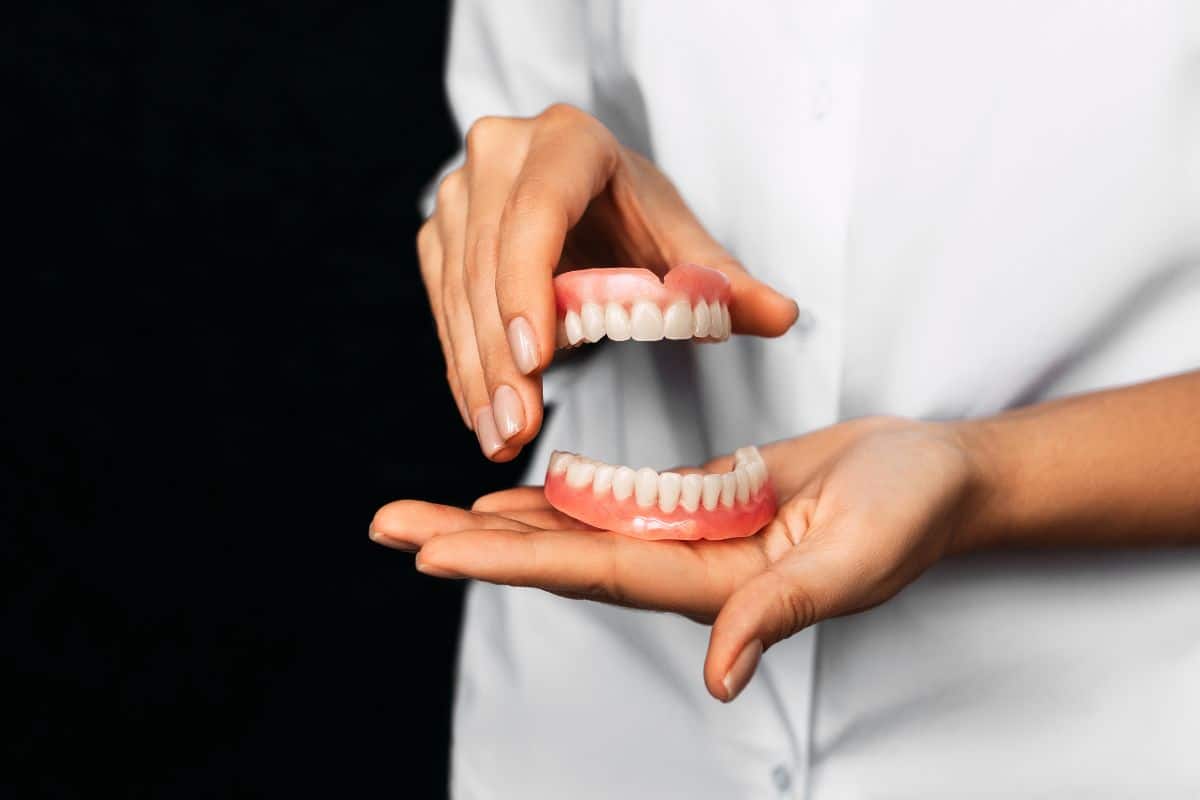
How Long Do Dentures Last? Signs to Replace Them

September 14, 2026
What Foods Can You Eat After Dental Implant Surgery?

September 8, 2026
10 Signs You May Need Root Canal Treatment
Categories
Teeth Whitening (10)
Patients love it here

My husband and I visited Palm Valley Dental, and it was a rewarding experience. Dr. Torres and Dr. Trevino are so patient, knowledgeable and professional. Caleb, the Dental Hygienist is also very thorough and courteous. The office staff are so pleasant and helpful as well.


Adalia De Luna
Literally, the first time ever at dentist, went in terrified, left informed on my dental care/plan, and scheduled my return visit for the in depth cleaning. Overall, great experience, staff & doctor were attentive, professional and very receptive to all my questions and even the nervousness I displayed.

Sandra Palomo
I love this place. Aside from the amazing and comprehensive dental services, customer service and my time are really important to me. It is rare to find everything I care about in one place.

Karla DeWald
Dr. Treviño and staff are wonderful!! Very clean environment. Dr is so good I had a filling adjustment without being numbed up!! If that doesn't tell you how good they are, I don't know what will!!

Issa Garcia
I love this place. Aside from the amazing and comprehensive dental services, customer service and my time are really important to me. It is rare to find everything I care about in one place.
Karla DeWald
After experiencing a few negative experiences at a previous dental practice, I cautiously decided to try this new dental place. I had a wonderful first visit here and felt a great relief after my appointment. Everyone I encountered was so kind and friendly, and all my concerns and questions were addressed. I highly recommend. 😊