

Can You Fix Tooth Sensitivity? 9 Ways To Fix Tooth Sensitivity
January 23, 2023
Dental Health
Tooth sensitivity is a common problem that can lead to pain, discomfort, and other unpleasant symptoms. Fortunately, there are many ways to alleviate the effects of tooth sensitivity. In this article, we’ll look at nine different options for managing your tooth sensitivity.
What Causes Tooth Sensitivity?
When enamel, the protective layer on your teeth, is compromised, it can lead to tooth sensitivity. This may happen due to:
• Age-related wear and tear
• Untreated cavities or gum disease
• Frequent consumption of acidic or sugary foods and drinks
• Excessive tooth whitening
• Tooth erosion from stomach acid (gastric reflux)
• Receded gums, which expose the roots of your teeth to hot or cold temperatures.
Desensitizing Toothpaste
One of the simplest ways to relieve tooth sensitivity is by desensitizing toothpaste. These products contain active ingredients that help to block sensations from reaching sensitive nerves in your teeth. They also work to protect and strengthen enamel, which can reduce pain caused by exposed roots or worn-down enamel. You may need to use a desensitizing toothpaste for several weeks before you notice the full effects.
Fluoride Treatments
Fluoride can help to strengthen your enamel and repair the damage that causes tooth sensitivity. Your dentist may offer fluoride treatments at your regular checkup, or they may recommend that you use fluoride-containing toothpaste.
Sealants
Another option for treating tooth sensitivity is to get sealants applied to your teeth. Sealants are thin layers of plastic that cover the grooves on the surfaces of your molars, preventing bacteria from getting into these areas and causing cavities or gum disease. They also provide an additional layer of protection against sensitivity.
Bonding
If your tooth is cracked or chipped, your dentist may use a procedure called bonding to fix it. This involves applying a composite resin material to the affected area and shaping it into a natural-looking form. Bonding can help repair damage to the enamel that causes sensitivity.
Root Canal Treatment
If your tooth sensitivity is severe and other treatments are not providing relief, your dentist may recommend a root canal. During this procedure, the affected tooth is opened up to allow access to the pulp chamber and nerves. The infected tissue will be removed and replaced with a special filling to seal off the area and reduce sensitivity.
Crowns
If your tooth has extensive damage, a crown may be recommended. A crown is a cap that fits over the visible portion of the damaged tooth and provides extra protection against pain and sensitivity.
Veneers
If you’re looking to improve the appearance of your teeth while also reducing sensitivity, veneers are an option. Veneers are thin porcelain shells that fit over the fronts of your teeth, making them look whiter and brighter while also providing extra protection against sensitivity.
Gum Grafting
If your receding gums are causing tooth sensitivity, gum grafting may be recommended. During this procedure, a piece of tissue from your palate or another donor site is used to cover the exposed roots of your teeth, helping to reduce sensitivity.
Lifestyle Changes
In addition to these treatments, there are some lifestyle changes you can make to reduce your tooth sensitivity. Cutting back on sugary and acidic foods and drinks can help protect your enamel from further damage. You should also avoid excessive teeth whitening, and make sure you’re brushing and flossing your teeth properly.
Tooth sensitivity can be uncomfortable and painful, but there are treatments available to help reduce it. Desensitizing toothpaste, fluoride treatments, sealants, bonding, root canal treatment, crowns, veneers, gum grafting, and lifestyle changes can all help to reduce tooth sensitivity. Before deciding on a treatment option, make sure to talk to your dentist about the best choice for you.
Recent Post

October 6, 2026
How to Clean Dentures: A Daily Care Routine

September 25, 2026
Signs of Cavities in Children: What Parents Should Know
September 17, 2026
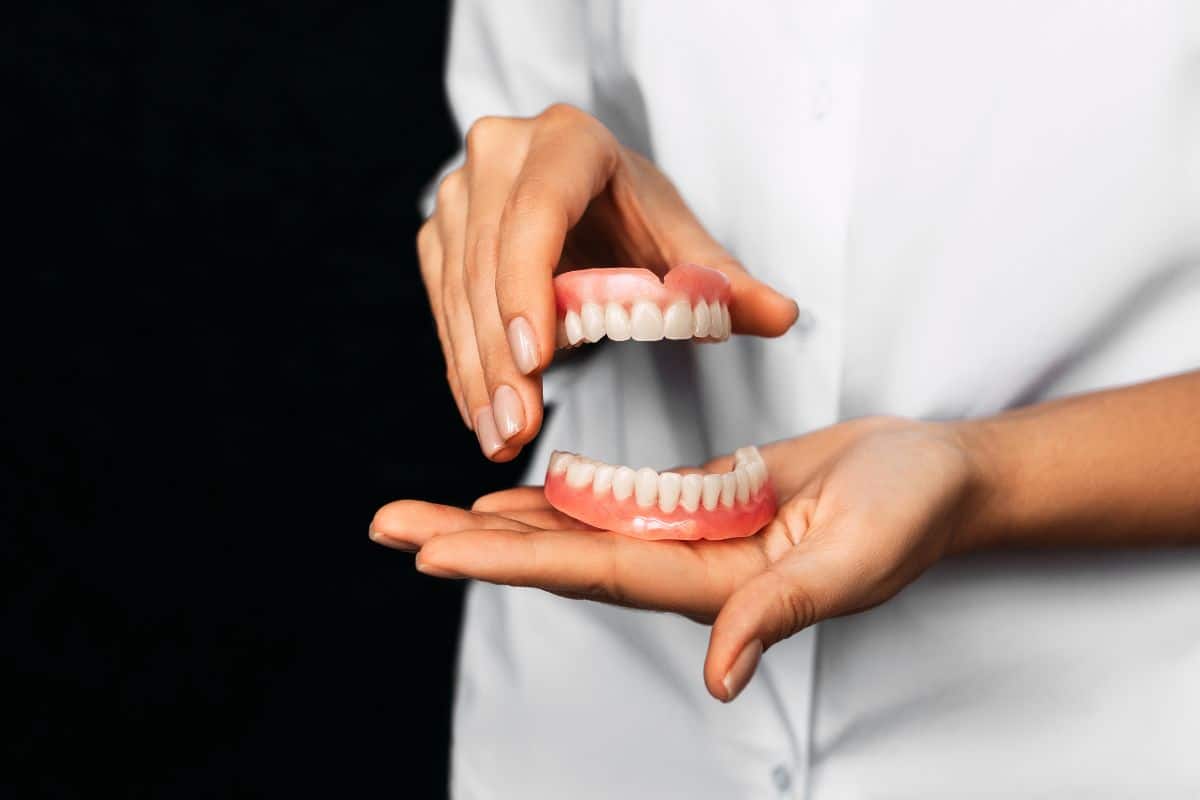
How Long Do Dentures Last? Signs to Replace Them

September 14, 2026
What Foods Can You Eat After Dental Implant Surgery?

September 8, 2026
10 Signs You May Need Root Canal Treatment
Categories
Dental Health (32)
Patients love it here

My husband and I visited Palm Valley Dental, and it was a rewarding experience. Dr. Torres and Dr. Trevino are so patient, knowledgeable and professional. Caleb, the Dental Hygienist is also very thorough and courteous. The office staff are so pleasant and helpful as well.


Adalia De Luna
Literally, the first time ever at dentist, went in terrified, left informed on my dental care/plan, and scheduled my return visit for the in depth cleaning. Overall, great experience, staff & doctor were attentive, professional and very receptive to all my questions and even the nervousness I displayed.

Sandra Palomo
I love this place. Aside from the amazing and comprehensive dental services, customer service and my time are really important to me. It is rare to find everything I care about in one place.

Karla DeWald
Dr. Treviño and staff are wonderful!! Very clean environment. Dr is so good I had a filling adjustment without being numbed up!! If that doesn't tell you how good they are, I don't know what will!!

Issa Garcia
I love this place. Aside from the amazing and comprehensive dental services, customer service and my time are really important to me. It is rare to find everything I care about in one place.
Karla DeWald
After experiencing a few negative experiences at a previous dental practice, I cautiously decided to try this new dental place. I had a wonderful first visit here and felt a great relief after my appointment. Everyone I encountered was so kind and friendly, and all my concerns and questions were addressed. I highly recommend. 😊