
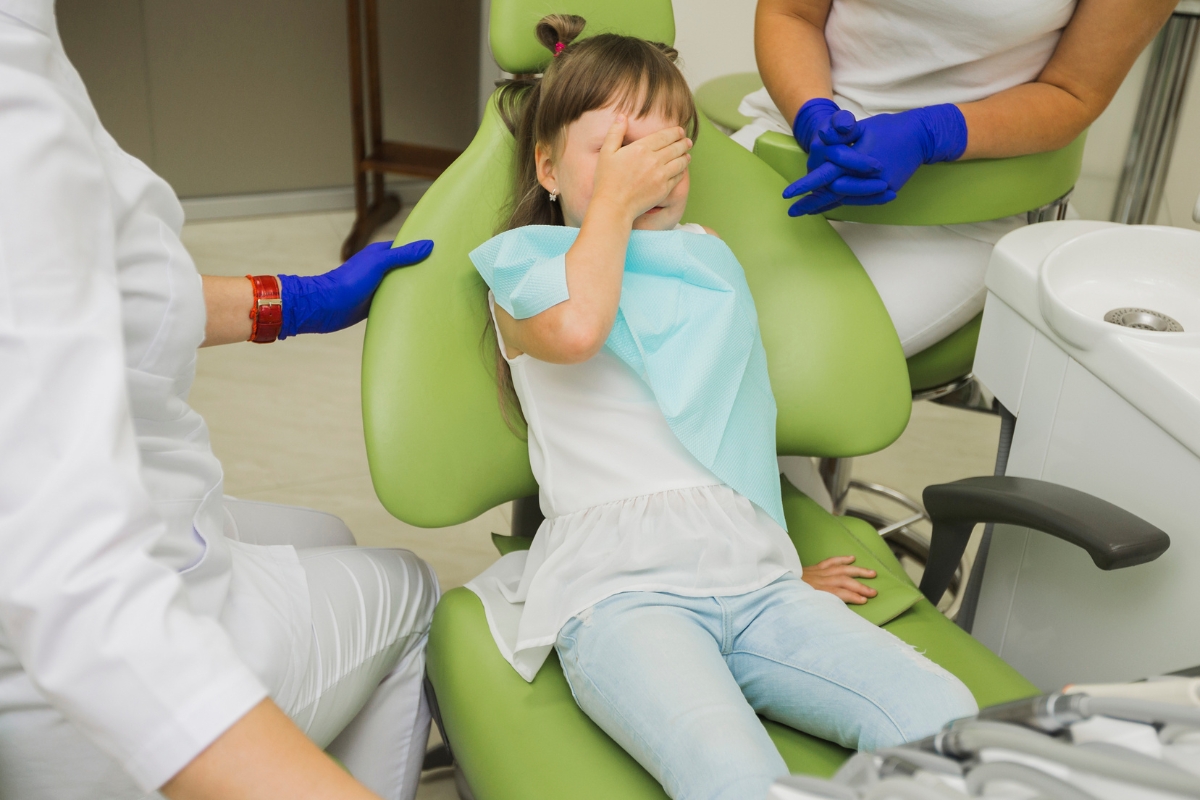
My Child Is Scared of the Dentist, What Actually Works to Calm Them Down?
March 24, 2026
Pediatric Dentistry
It is common for kids to feel nervous about dental visits. The sounds, tools, and new setting can feel scary. Many parents search online to find a dentist close to home who understands their child’s fear. The good news is that dental anxiety in kids can be eased with simple, proven steps.
Understanding what works can help turn fear into comfort. With the right approach, your child can feel safe and even relaxed during visits.
Why Are Children Afraid of the Dentist?
Fear often comes from the unknown. Kids may worry about pain or feel uneasy in a new place. Some children also pick up fear from others, even from a parent’s tone.
A visit to a pediatric dental clinic in Edinburg often shows that most fears come from what a child imagines, not what really happens.
Signs Your Child Feels Dental Fear
Watch for these signs before or during a visit:
- Crying or refusing to go
- Trouble sleeping the night before
- Complaints of stomach pain
- Clinging to a parent
These are normal reactions. The key is how you respond.
What Actually Works to Calm Your Child Down
Simple steps can make a big difference. You do not need complex plans. You just need patience and the right method.
1. Start Talking Early and Keep It Simple
Talk about the dentist in a calm and happy way. Avoid scary words like pain or hurt.
You can say, “The dentist will count your teeth and keep them clean.” This builds a positive image before the visit.
Parents who search for a nearby dentist often find that early conversations help ease fear more than anything else.
2. Use Books and Videos
Children learn well through stories. Reading books or watching short videos about dental visits can help them know what to expect.
This step makes the visit feel familiar.
3. Practice at Home
Pretending to play works well. Take turns being the dentist and the patient. Use a toothbrush to count teeth.
This helps your child feel in control. It also removes the fear of the unknown.
A pediatric dental provider in Edinburg will often suggest this as a first step before any visit.
4. Choose the Right Appointment Time
Pick a time when your child is well-rested. Avoid late afternoons or nap times.
A calm child is more open to new experiences. Timing can change the entire visit.
5. Stay Calm Yourself
Children notice your tone and body language. If you seem worried, they will feel it too.
6. Bring Comfort Items
A favorite toy or blanket can help your child feel safe. Small comforts make a big difference in a new place.
Some clinics even allow headphones or music to help kids relax.
7. Positive Reinforcement Works
Praise your child for being brave. Small rewards after the visit can also help build a good memory.
Avoid using rewards as a bribe. Keep it simple and encouraging.
8. Pick a Child-Friendly Dental Office
A place designed for kids can ease fear quickly. Bright spaces, friendly staff, and gentle care all help.
When Fear Does Not Go Away
Some children need extra support. If fear continues, talk to your dentist. They may use gentle methods like:
- Tell-show-do technique
- Distraction tools
- Short and simple visits
How Palm Valley Dental Supports Families
Palm Valley Dental in Edinburg, TX focuses on making visits simple and calm. The team believes in clear steps, kind care, and helping children feel safe from the moment they walk in.
They guide parents with easy ways to prepare kids at home and support them during visits.
FAQs About Kids and Dental Fear
1. At what age should my child first visit the dentist?
By age one or when the first tooth appears.
2. Is dental fear normal in kids?
Yes, many children feel nervous at first.
3. Should I stay with my child during the visit?
Yes, your presence often helps them feel safe.
4. What if my child cries during the visit?
Stay calm. Dentists are trained to handle this.
5. Can dental fear go away over time?
Yes, with positive visits and support, fear often fades.
6. How long should a child’s dental visit be?
Short visits work best, especially at first.
7. Do rewards help reduce fear?
Yes, when used as praise, not pressure.
Conclusion: Help Your Child Feel Safe and Confident
Dental fear in children is common, but it does not have to last. With simple steps, clear talk, and the right support, your child can feel calm and safe.
Focus on building trust, not forcing the visit. Choose a place that understands children and keeps the experience gentle.
If your child feels anxious, take the first step today. Schedule a consultation and contact a local dental office to create a better dental experience for your child’s future.
Recent Post

October 6, 2026
How to Clean Dentures: A Daily Care Routine

September 25, 2026
Signs of Cavities in Children: What Parents Should Know
September 17, 2026
How Long Do Dentures Last? Signs to Replace Them

September 14, 2026
What Foods Can You Eat After Dental Implant Surgery?

September 8, 2026
10 Signs You May Need Root Canal Treatment
Categories
Pediatric Dentistry (31)
Patients love it here

My husband and I visited Palm Valley Dental, and it was a rewarding experience. Dr. Torres and Dr. Trevino are so patient, knowledgeable and professional. Caleb, the Dental Hygienist is also very thorough and courteous. The office staff are so pleasant and helpful as well.


Adalia De Luna
Literally, the first time ever at dentist, went in terrified, left informed on my dental care/plan, and scheduled my return visit for the in depth cleaning. Overall, great experience, staff & doctor were attentive, professional and very receptive to all my questions and even the nervousness I displayed.

Sandra Palomo
I love this place. Aside from the amazing and comprehensive dental services, customer service and my time are really important to me. It is rare to find everything I care about in one place.

Karla DeWald
Dr. Treviño and staff are wonderful!! Very clean environment. Dr is so good I had a filling adjustment without being numbed up!! If that doesn't tell you how good they are, I don't know what will!!

Issa Garcia
I love this place. Aside from the amazing and comprehensive dental services, customer service and my time are really important to me. It is rare to find everything I care about in one place.
Karla DeWald
After experiencing a few negative experiences at a previous dental practice, I cautiously decided to try this new dental place. I had a wonderful first visit here and felt a great relief after my appointment. Everyone I encountered was so kind and friendly, and all my concerns and questions were addressed. I highly recommend. 😊