
Are You Too Young for a Crown? Age Doesn’t Always Matter
June 2, 2025
Dental Crowns
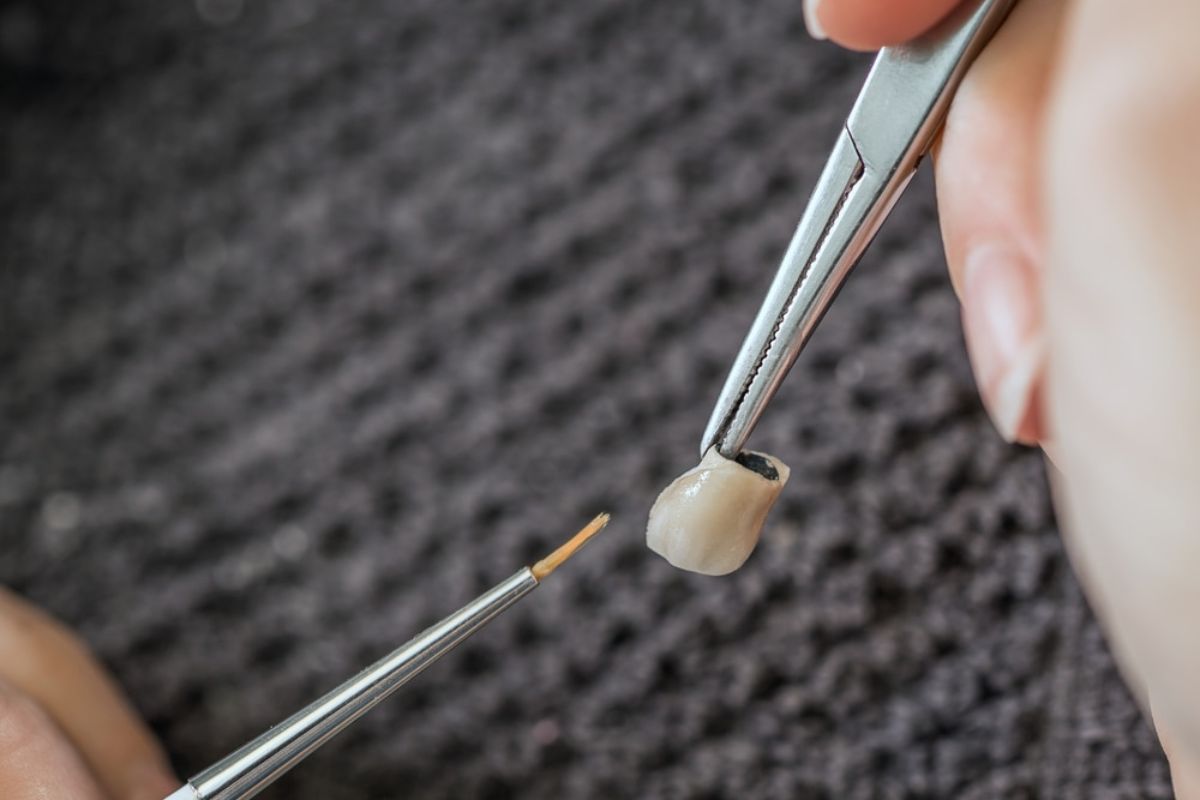
When most people hear “dental crown,” they often think of older adults who’ve dealt with decades of wear and tear. But age alone doesn’t determine whether you need a dental crown. In reality, younger patients—teens and young adults—can also benefit from this standard dental procedure. The real question isn’t about age; it’s about the condition of your teeth.
Why Might Younger Patients Need Dental Crowns?
Tooth damage doesn’t discriminate by age. You might need a crown if you’ve had a root canal, a large cavity, a broken tooth, or if your enamel has worn down due to grinding or acidic foods. Athletes, especially those involved in contact sports, are also at a higher risk of tooth injuries that may require a crown.
In some cases, a crown can help restore the strength and appearance of a tooth after orthodontic treatment or trauma. Dentists consider several factors, such as the tooth’s health, structural integrity, and the patient’s bite, before recommending a crown, regardless of the patient’s age.
Understanding the Crown Placement Process
The crown placement process begins with an evaluation of the tooth. To determine whether a crown is the best course of action, your dentist will thoroughly inspect your tooth. Next, the tooth is reshaped to make space for the crown. Then, the dentist takes digital or physical impressions to ensure a custom fit. The dentist applies a temporary crown to safeguard your tooth while the permanent crown is fabricated in a laboratory.
Your dentist carefully checks the fit, shape, and color of the permanent crown, then bonds it securely to your tooth for a natural and lasting finish. This entire process typically takes two visits, depending on the technology used by your dentist.
Do Crowns Look Natural?
Yes—modern crowns are designed to blend seamlessly with your natural teeth. Today’s dental materials, such as porcelain or ceramic, mimic the color and translucency of real enamel. Dentists also match the crown to the shade of your surrounding teeth, making the result nearly invisible. You can smile with confidence, knowing your crown won’t stand out.
How to Care for a Crown at Any Age
Proper care ensures your dental crown lasts for years to come. Brush your teeth twice daily, floss regularly, and avoid chewing on complex objects like ice or pens. If you grind your teeth at night, talk to your dentist about getting a night guard—it helps shield both your crown and your natural teeth from damage.
Also, don’t skip your dental checkups. Your dentist can keep an eye on the crown and the tooth structure underneath with routine checkups, ensuring everything stays in good shape.
It’s Not About Age—It’s About Prevention and Protection
The decision to place a crown depends on dental health, not the calendar. Whether you’re 17 or 47, if your tooth needs protection, a crown can restore function and prevent further damage. Ignoring signs like persistent pain, cracks, or sensitivity can lead to more invasive treatments down the road.
Don’t wait for the problem to get worse. Visit our dental office to find out if a crown is the right solution for your smile. Our team protects smiles of all ages with expert care and personalized treatment.
Recent Post

October 6, 2026
How to Clean Dentures: A Daily Care Routine
September 25, 2026
Signs of Cavities in Children: What Parents Should Know
September 17, 2026
How Long Do Dentures Last? Signs to Replace Them
September 14, 2026
What Foods Can You Eat After Dental Implant Surgery?

September 8, 2026
10 Signs You May Need Root Canal Treatment
Categories
Dental Crowns (18)
Patients love it here

My husband and I visited Palm Valley Dental, and it was a rewarding experience. Dr. Torres and Dr. Trevino are so patient, knowledgeable and professional. Caleb, the Dental Hygienist is also very thorough and courteous. The office staff are so pleasant and helpful as well.


Adalia De Luna
Literally, the first time ever at dentist, went in terrified, left informed on my dental care/plan, and scheduled my return visit for the in depth cleaning. Overall, great experience, staff & doctor were attentive, professional and very receptive to all my questions and even the nervousness I displayed.

Sandra Palomo
I love this place. Aside from the amazing and comprehensive dental services, customer service and my time are really important to me. It is rare to find everything I care about in one place.

Karla DeWald
Dr. Treviño and staff are wonderful!! Very clean environment. Dr is so good I had a filling adjustment without being numbed up!! If that doesn't tell you how good they are, I don't know what will!!

Issa Garcia
I love this place. Aside from the amazing and comprehensive dental services, customer service and my time are really important to me. It is rare to find everything I care about in one place.
Karla DeWald
After experiencing a few negative experiences at a previous dental practice, I cautiously decided to try this new dental place. I had a wonderful first visit here and felt a great relief after my appointment. Everyone I encountered was so kind and friendly, and all my concerns and questions were addressed. I highly recommend. 😊