
Top 5 Common Dental Emergencies And How To Handle Them
May 13, 2024
Emergency Dental Care
Toothaches and dental problems can strike unexpectedly, causing discomfort and disrupting your daily routine. While some issues can wait for a scheduled appointment, certain situations require immediate attention. Knowing how to handle common dental emergencies can make a big difference in minimizing pain and ensuring the best possible outcome.
Here’s a look at the top 5 dental emergencies and some initial steps you can take to manage them until you can see a dentist:
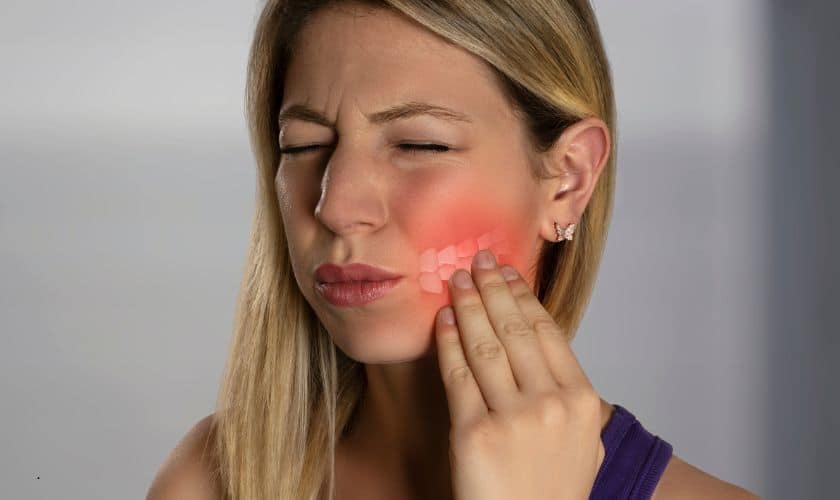
1. Severe Toothache:
A throbbing or persistent toothache that doesn’t respond to over-the-counter pain relievers can be a sign of a deeper problem.
-
Home Care: Rinse your mouth with warm salt water to remove any food particles lodged around the tooth. To lessen swelling, place a cold compress on the part of your cheek that is afflicted. Temporary relief can be obtained with over-the-counter pain medicines such as acetaminophen or ibuprofen.
-
Seek Professional Help: If the pain persists or worsens, contact your dentist immediately or seek urgent dental care. Early diagnosis and treatment are crucial to address the underlying cause, such as a cavity, infection, or damaged tooth.
2. Knocked-Out Tooth:
When a tooth is knocked out, time is critical. Every minute counts for possible re-implantation.
-
Home Care: Locate the tooth and gently rinse it with clean water (avoid scrubbing). If possible, try to re-implant the tooth back into the socket without touching the root. If unable to re-implant, store the tooth in milk (cow’s milk is preferred) and contact your dentist immediately.
-
Seek Professional Help: Call your dentist or go directly to the emergency room within 60 minutes of the tooth being knocked out. The dentist will attempt to re-implant the tooth or recommend alternative solutions.
3. Cracked or Broken Tooth:
A cracked or broken tooth can cause significant pain and leave the tooth vulnerable to infection.
-
Home Care: Rinse your mouth with warm salt water to remove any debris. Apply a cold compress to your cheek to reduce swelling and manage discomfort.
-
Seek Professional Help: Schedule an appointment with your dentist in Edinburg as soon as possible. Depending on the severity of the crack or fracture, the dentist may recommend options like dental bonding, a crown, or extraction.
4. Lost Filling or Crown:
A loose or lost filling or crown can expose the tooth to bacteria and increase the risk of infection and sensitivity.
-
Home Care: If possible, try to locate the filling or crown. For a filling, you can temporarily cover the exposed area with sugar-free dental cement (available at drugstores) until you see your dentist.
-
Seek Professional Help: Contact your dentist to schedule an appointment as soon as possible to have the filling or crown replaced to prevent further complications.
5. Swollen Gums or Facial Abscess:
Swollen gums or a facial abscess can be a sign of a serious infection that requires prompt attention.
-
Home Care: Rinse your mouth with warm salt water to reduce inflammation. Apply a warm compress to the affected area to relieve discomfort. Avoid applying heat directly to the gums.
-
Seek Professional Help: Do not attempt to drain the abscess yourself. Visit your dentist or head straight to the emergency hospital. Antibiotics and potentially surgical intervention might be necessary to address the infection.
Remember: These are just initial steps to manage dental emergencies until you can see a dentist. Early diagnosis and professional treatment are crucial for optimal outcomes and minimizing complications.
Additional Tips:
Maintain good oral hygiene: Regularly brushing and flossing your teeth helps prevent cavities and gum disease, reducing the risk of dental emergencies.
Schedule regular dental checkups: Regular dental exams allow your dentist to identify potential problems early and offer preventive care.
Have a dental emergency plan: Knowing what to do in case of a dental emergency can save valuable time and minimize stress. Consider keeping a list of emergency dental contacts readily available.
By following these tips and seeking professional help promptly during dental emergencies, you can ensure a healthy and pain-free smile.
Recent Post

October 6, 2026
How to Clean Dentures: A Daily Care Routine

September 25, 2026
Signs of Cavities in Children: What Parents Should Know
September 17, 2026
How Long Do Dentures Last? Signs to Replace Them

September 14, 2026
What Foods Can You Eat After Dental Implant Surgery?

September 8, 2026
10 Signs You May Need Root Canal Treatment
Categories
Emergency Dental Care (22)
Patients love it here

My husband and I visited Palm Valley Dental, and it was a rewarding experience. Dr. Torres and Dr. Trevino are so patient, knowledgeable and professional. Caleb, the Dental Hygienist is also very thorough and courteous. The office staff are so pleasant and helpful as well.


Adalia De Luna
Literally, the first time ever at dentist, went in terrified, left informed on my dental care/plan, and scheduled my return visit for the in depth cleaning. Overall, great experience, staff & doctor were attentive, professional and very receptive to all my questions and even the nervousness I displayed.

Sandra Palomo
I love this place. Aside from the amazing and comprehensive dental services, customer service and my time are really important to me. It is rare to find everything I care about in one place.

Karla DeWald
Dr. Treviño and staff are wonderful!! Very clean environment. Dr is so good I had a filling adjustment without being numbed up!! If that doesn't tell you how good they are, I don't know what will!!

Issa Garcia
I love this place. Aside from the amazing and comprehensive dental services, customer service and my time are really important to me. It is rare to find everything I care about in one place.
Karla DeWald
After experiencing a few negative experiences at a previous dental practice, I cautiously decided to try this new dental place. I had a wonderful first visit here and felt a great relief after my appointment. Everyone I encountered was so kind and friendly, and all my concerns and questions were addressed. I highly recommend. 😊