
Role of Dental Implants in Replacing Severely Cracked Teeth
August 19, 2024
Dental Implants
A severely cracked tooth can cause significant discomfort and impact your overall dental health. When a tooth cracks beyond repair, dental implants offer a reliable solution for restoration. Understanding how dental implants work and their benefits can help you make an informed decision about replacing a severely cracked tooth.
What Are Dental Implants?
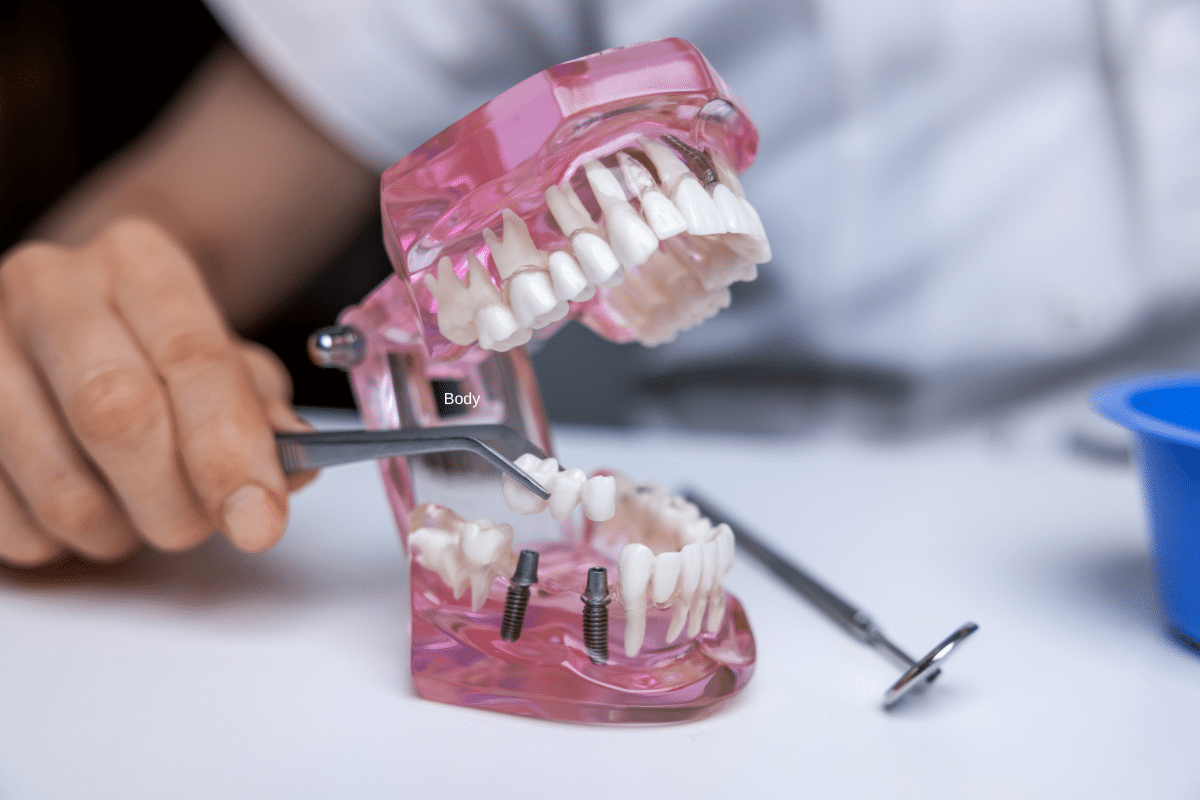
A dental implant consists of a titanium post, an abutment, and a crown. The titanium post acts as a replacement root that integrates with the jawbone through a process called osseointegration. The abutment connects the post to the crown, which serves as the visible part of the tooth. This combination replicates the function and appearance of a natural tooth.
Benefits of Dental Implants for Severely Cracked Teeth
Durability and Strength
Dental implants provide exceptional strength and durability. Unlike natural teeth, which can be susceptible to decay and damage, implants are resistant to cavities and can last a lifetime with proper care. This makes them an ideal choice for replacing a severely cracked tooth that has compromised its structural integrity.
Prevents bone loss
When a tooth is lost or extracted, the underlying jawbone can begin to deteriorate due to lack of stimulation. Dental implants stimulate the bone just like natural tooth roots, preventing bone loss and maintaining facial structure. This aspect of dental implants helps preserve your jawbone and avoids the sunken appearance that can occur with tooth loss.
Restores Functionality
Severely cracked teeth can affect your ability to chew and speak properly. Dental implants restore full functionality, allowing you to eat and speak with confidence. The stable and secure placement of implants ensures that you can perform everyday activities without worrying about discomfort or instability.
Enhances Aesthetic Appeal
Dental implants look and feel like natural teeth, resulting in a seamless and aesthetically attractive appearance. The custom-made crowns that attach to the implants are designed to match the color, size, and shape of your natural teeth, ensuring a natural appearance. This helps you regain your smile and improve your overall confidence.
Requires Minimal Maintenance
Maintaining dental implants is simple and comparable to caring for natural teeth. Regular brushing, flossing, and routine dental check-ups are essential to keep your implants in good condition. Unlike some other dental restorations, implants do not require special cleaning solutions or frequent adjustments.
The Procedure for Getting Dental Implants
The process of getting dental implants involves several steps:
Initial Consultation
Your dentist will perform a thorough examination, including X-rays and possibly a CT scan, to assess the condition of your jawbone and determine if you are a suitable candidate for implants. They will discuss the treatment plan and address any questions you may have.
Implant Placement
The titanium post will be inserted into the jawbone surgically by the dentist. This procedure is typically performed under local anesthesia, ensuring you remain comfortable throughout. After placement, the implant requires several months to fuse with the bone through osseointegration.
Abutment and Crown Placement
Once the implant has integrated with the bone, the dentist will attach the abutment and place the custom crown. This final step completes the restoration and provides you with a fully functional and natural-looking tooth.
Conclusion
Dental implants in Edinburg offer a durable and effective solution for replacing severely cracked teeth. They restore functionality, prevent bone loss, and enhance aesthetic appeal, making them a preferred choice for many patients. If you have a severely cracked tooth, consult with your dentist near you to explore whether dental implants are the right option for you. With proper care and maintenance, dental implants can provide a long-lasting and reliable replacement for your damaged tooth.
Recent Post

October 6, 2026
How to Clean Dentures: A Daily Care Routine

September 25, 2026
Signs of Cavities in Children: What Parents Should Know
September 17, 2026
How Long Do Dentures Last? Signs to Replace Them

September 14, 2026
What Foods Can You Eat After Dental Implant Surgery?

September 8, 2026
10 Signs You May Need Root Canal Treatment
Categories
Dental Implants (11)
Patients love it here

My husband and I visited Palm Valley Dental, and it was a rewarding experience. Dr. Torres and Dr. Trevino are so patient, knowledgeable and professional. Caleb, the Dental Hygienist is also very thorough and courteous. The office staff are so pleasant and helpful as well.


Adalia De Luna
Literally, the first time ever at dentist, went in terrified, left informed on my dental care/plan, and scheduled my return visit for the in depth cleaning. Overall, great experience, staff & doctor were attentive, professional and very receptive to all my questions and even the nervousness I displayed.

Sandra Palomo
I love this place. Aside from the amazing and comprehensive dental services, customer service and my time are really important to me. It is rare to find everything I care about in one place.

Karla DeWald
Dr. Treviño and staff are wonderful!! Very clean environment. Dr is so good I had a filling adjustment without being numbed up!! If that doesn't tell you how good they are, I don't know what will!!

Issa Garcia
I love this place. Aside from the amazing and comprehensive dental services, customer service and my time are really important to me. It is rare to find everything I care about in one place.
Karla DeWald
After experiencing a few negative experiences at a previous dental practice, I cautiously decided to try this new dental place. I had a wonderful first visit here and felt a great relief after my appointment. Everyone I encountered was so kind and friendly, and all my concerns and questions were addressed. I highly recommend. 😊