

The Hidden Link Between Regular Dental Visits and Overall Health
February 23, 2026
General Dentistry
Most people think of a dental checkup as just a way to keep their teeth clean. But the truth runs much deeper than that. Your mouth tells a story about your entire body, and those twice-a-year visits to the dentist can reveal far more than cavities and gum problems.
At Palm Valley Dental, located on Jackson Rd in Edinburg, TX, we see this connection every day. People walk in for a routine cleaning and walk out better informed about their overall health. Whether you are a long-time patient or searching for a trusted dentist in Edinburg, Texas, understanding this link can change the way you approach your health.
Your Mouth Is a Window to Your Body
The mouth and body are not separate systems. They share blood flow, bacteria, and inflammation pathways. When something goes wrong in your mouth, it often signals or triggers a problem elsewhere in the body.
Research has shown strong ties between poor oral health and serious conditions like heart disease, diabetes, respiratory illness, and even pregnancy complications. The bacteria that cause gum disease, for example, can enter the bloodstream and travel to the heart. This is not a distant theory. It is backed by years of study from institutions like the American Heart Association and the Centers for Disease Control and Prevention (CDC).
What Dentists Actually Check During a Routine Visit
A regular dental exam is not just about teeth. A trained dentist looks at the soft tissues in your mouth, checks jaw alignment, screens for oral cancer, and watches for signs of conditions you may not even know you have.
Here is what a thorough checkup typically includes:
- Gum tissue health — inflamed or receding gums can indicate early-stage gum disease, which is linked to heart problems and diabetes.
- Bone density check — bone loss in the jaw is sometimes the first visible sign of osteoporosis.
- Oral cancer screening — dentists check the tongue, cheeks, and throat for unusual spots or growths.
- Dry mouth — this can signal autoimmune disorders or medication side effects.
- Teeth grinding patterns — often tied to stress, sleep apnea, or anxiety.
These are not small details. Each one carries real health information. That is why skipping the dentist is never as harmless as it seems.
Gum Disease and Systemic Health: A Closer Look
Gum disease, or periodontitis, affects nearly half of adults over 30 in the United States. It starts as gingivitis, a mild form of inflammation, and can progress into serious tissue and bone damage if left untreated.
What makes gum disease especially serious is its relationship with systemic illness. Studies published in journals like the Journal of Clinical Periodontology have found that people with gum disease are at higher risk for cardiovascular disease, strokes, and poorly managed diabetes. Inflammation in the gums does not stay local. It spreads.
For people already managing chronic conditions, keeping gum disease under control is not optional. It is part of the bigger health picture.
Diabetes and Oral Health: A Two-Way Street
If you have diabetes, your mouth needs extra attention. High blood sugar creates the perfect environment for bacteria to grow, which speeds up gum disease. At the same time, untreated gum disease makes it harder to control blood sugar levels.
This back-and-forth relationship means that diabetic patients who take care of their oral health often see improvements in their overall condition. It is one of the clearest examples of how a visit to the dentist is truly a health visit, not just a dental one.
Heart Health Starts in the Mouth
The link between oral bacteria and heart disease is one of the most studied connections in dentistry today. Bacteria from infected gums can attach to the fatty plaques inside arteries, contributing to blockages that lead to heart attacks or strokes.
People with periodontitis are statistically more likely to develop heart disease than those without it. That is a fact worth paying attention to, especially if heart health runs as a concern in your family history.
Staying on top of regular cleanings reduces bacterial load in the mouth and lowers the risk of those bacteria reaching the bloodstream.
Mental Health, Stress, and Your Teeth
Stress shows up in the mouth more than most people realize. Teeth grinding (bruxism), jaw clenching, canker sores, and neglected hygiene are all tied to mental health struggles. Anxiety and depression can cause people to skip brushing, avoid the dentist, and develop dry mouth from medications.
Dentists trained in watching for these signs can help connect patients to the right resources. At Palm Valley Dental, we take a whole-patient approach. We understand that what is happening in your life affects what we see in your mouth.
How Often Should You Really Visit the Dentist?
The standard recommendation is every six months, but that is not a one-size-fits-all answer. If you have gum disease, diabetes, a history of cavities, or a dry mouth condition, your dentist may recommend visits every three to four months.
Children, pregnant women, and older adults may also need more frequent care. The point is not to follow a calendar. It is to follow the advice of a dentist who knows your health history.
If you are in the area and have not had a checkup recently, consider reaching out to a trusted Edinburg dentist who can give you a clear picture of where you stand.
Frequently Asked Questions
1. Can poor oral health actually cause heart disease?
Research suggests a strong connection between gum disease and heart disease. Oral bacteria can enter the bloodstream and contribute to inflammation in arteries. Keeping your gums healthy is one way to reduce that risk.
2. How does gum disease affect diabetes?
Gum disease makes it harder to manage blood sugar, and high blood sugar worsens gum disease. Treating one often improves the other. Diabetic patients benefit greatly from regular dental care.
3. What does a dentist look for during a routine checkup?
Beyond checking for cavities, dentists examine gum tissue, jaw alignment, jaw bone density, signs of oral cancer, and patterns like teeth grinding. These observations often point to bigger health issues.
4. Is teeth grinding serious?
Yes. Consistent teeth grinding can wear down enamel, cause jaw pain, and disrupt sleep. It is often tied to stress, anxiety, or sleep apnea. A dentist can provide a nightguard and recommend next steps.
5. Can dental visits help detect cancer?
Oral cancer screenings are a standard part of most dental exams. Dentists check the tongue, cheeks, throat, and soft tissues for unusual changes. Early detection significantly improves outcomes.
6. How does pregnancy affect oral health?
Hormonal changes during pregnancy can increase the risk of gum disease and tooth sensitivity. Untreated gum disease during pregnancy has been linked to preterm birth and low birth weight. Prenatal dental care is important.
7. What if I have dental anxiety?
Dental anxiety is very common. Talk to your dentist about it. Many practices offer comfort measures, flexible scheduling, and a calm environment. Avoiding the dentist because of fear often leads to bigger problems down the road.
Take the Step That Goes Beyond a Clean Smile
Your oral health is not separate from your overall health. It is part of it. Every visit to the dentist is a chance to catch issues early, protect your heart, support your blood sugar, and reduce inflammation in your body.
At Palm Valley Dental on Jackson Rd in Edinburg, TX, our goal is to give you care that goes further than clean teeth. We look at the full picture, and we treat each patient as an individual, not just a set of X-rays.
If you have been putting off your checkup, now is a good time to act. Do not wait for a symptom to push you into the chair. Schedule a consultation with us today and take a step that protects far more than your smile. Or if you are still exploring your options, contact a local dental office and ask about what a full-health dental exam looks like. Your future self will thank you.
Whether you are looking for a new provider or returning to regular care, finding a reliable Edinburg dentist who understands the whole-body connection is one of the smartest health choices you can make.
Recent Post

October 6, 2026
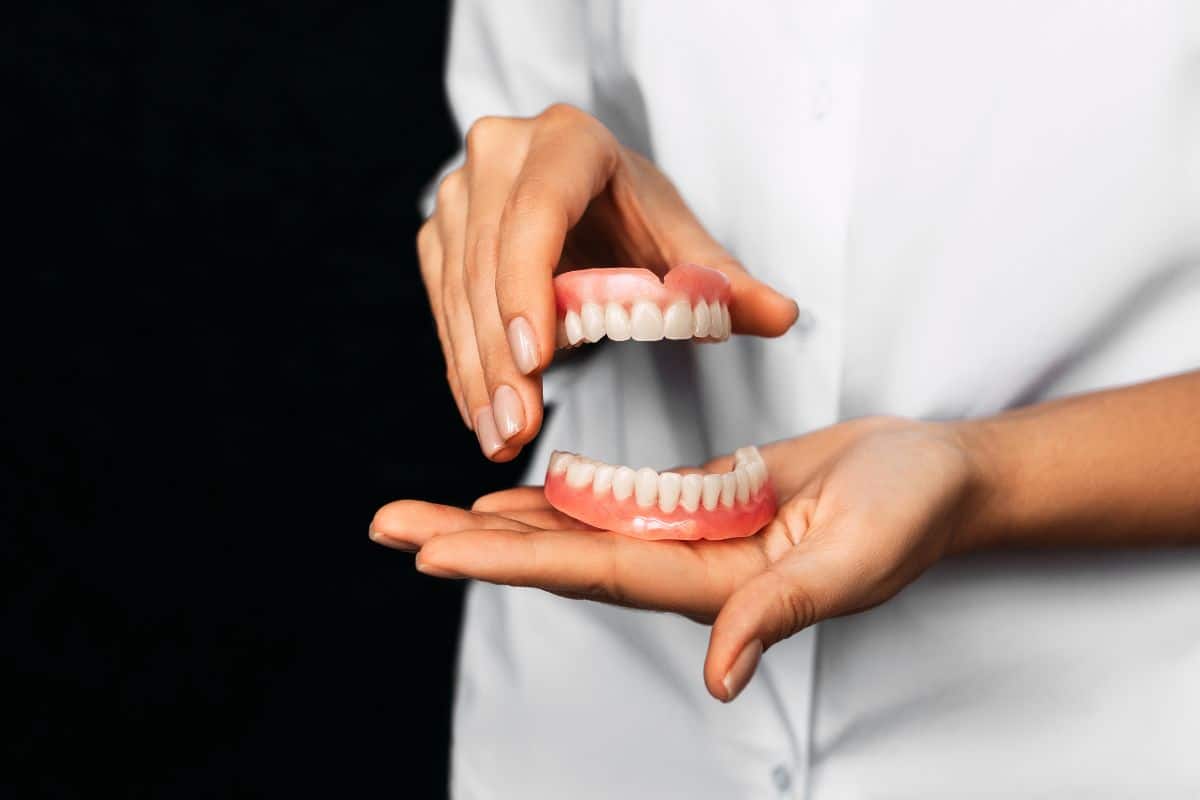
How to Clean Dentures: A Daily Care Routine

September 25, 2026
Signs of Cavities in Children: What Parents Should Know
September 17, 2026
How Long Do Dentures Last? Signs to Replace Them

September 14, 2026
What Foods Can You Eat After Dental Implant Surgery?

September 8, 2026
10 Signs You May Need Root Canal Treatment
Categories
General Dentistry (22)
Patients love it here

My husband and I visited Palm Valley Dental, and it was a rewarding experience. Dr. Torres and Dr. Trevino are so patient, knowledgeable and professional. Caleb, the Dental Hygienist is also very thorough and courteous. The office staff are so pleasant and helpful as well.


Adalia De Luna
Literally, the first time ever at dentist, went in terrified, left informed on my dental care/plan, and scheduled my return visit for the in depth cleaning. Overall, great experience, staff & doctor were attentive, professional and very receptive to all my questions and even the nervousness I displayed.

Sandra Palomo
I love this place. Aside from the amazing and comprehensive dental services, customer service and my time are really important to me. It is rare to find everything I care about in one place.

Karla DeWald
Dr. Treviño and staff are wonderful!! Very clean environment. Dr is so good I had a filling adjustment without being numbed up!! If that doesn't tell you how good they are, I don't know what will!!

Issa Garcia
I love this place. Aside from the amazing and comprehensive dental services, customer service and my time are really important to me. It is rare to find everything I care about in one place.
Karla DeWald
After experiencing a few negative experiences at a previous dental practice, I cautiously decided to try this new dental place. I had a wonderful first visit here and felt a great relief after my appointment. Everyone I encountered was so kind and friendly, and all my concerns and questions were addressed. I highly recommend. 😊