

How to Diagnose and Treat Sensitive White Spots on Your Teeth? Expert Tips for Healthy Smiles
September 17, 2024
Dental Health
Sensitive white spots on your teeth can be a source of discomfort and concern. These spots often indicate underlying issues that need attention. Understanding how to diagnose and treat them can help restore your dental health and confidence.
What Are Sensitive White Spots?
Sensitive white spots on teeth are areas where the enamel has lost minerals. These spots can be a sign of early tooth decay or demineralization. When enamel weakens, it becomes porous and more susceptible to sensitivity. You might notice these spots when brushing, eating certain foods, or drinking hot or cold beverages.
Diagnosing Sensitive White Spots
Observe the Symptoms: White spots usually appear as chalky, opaque areas on the teeth. They might be more noticeable after consuming acidic or sugary foods. Sensitivity is a common symptom, and you may experience discomfort when eating or drinking.
Visit Your Dentist: A professional evaluation is crucial for an accurate diagnosis. Your dentist will examine your teeth and may use X-rays to assess the extent of demineralization. They can also check for any signs of decay or other dental issues that might be contributing to the sensitivity.
Identify Contributing Factors: Your dentist will discuss your diet, oral hygiene habits, and any history of acid reflux. These factors can contribute to the formation of white spots and sensitivity.
Treating Sensitive White Spots
Improve Oral Hygiene: Maintaining good oral hygiene is essential for treating white spots and preventing further demineralization. Brush your teeth twice a day with fluoride toothpaste and floss daily. Consider using a toothpaste specifically designed for sensitive teeth.
Fluoride Treatments: Fluoride can help remineralize enamel and reduce sensitivity. Your dentist might recommend professional fluoride treatments or prescribe a fluoride gel or varnish for at-home use. These treatments strengthen the enamel and make it more resistant to decay.
Dental Sealants: If the white spots are a sign of early decay, your dentist may apply dental sealants to protect the affected areas. Sealants are thin coatings that adhere to the teeth, shielding them from further damage and decay.
Desensitizing Agents: For immediate relief, your dentist near you might apply desensitizing agents to the sensitive areas. These agents help block the nerve endings in your teeth, reducing sensitivity and discomfort.
Dietary Changes: Reducing your intake of acidic and sugary foods can help prevent further damage to your enamel. Opt for a balanced diet rich in vitamins and minerals that support dental health. Drinking plenty of water and using a straw for acidic beverages can also minimize the impact on your teeth.
Cosmetic Solutions: In some cases, cosmetic treatments such as teeth whitening or bonding can help improve the appearance of white spots. However, it’s important to address the underlying causes of the spots before pursuing cosmetic options.
Preventing White Spots and Sensitivity
Regular Dental Checkups: Regular visits to your dentist help catch issues early and prevent them from worsening. Your dentist can provide personalized advice and treatments based on your specific needs.
Consistent Oral Care: Stick to a routine of brushing, flossing, and using fluoride products. This routine helps protect your enamel and prevent the formation of white spots.
Hydration and Diet: Drink plenty of water and eat a balanced diet to support overall oral health. Avoid excessive consumption of sugary and acidic foods.
Sensitive white spots on your teeth can be a sign of underlying dental issues that need attention. By understanding the causes, seeking professional help, and following appropriate treatments and preventive measures, you can effectively manage and treat these spots. Regular dental care and good oral hygiene practices are key to maintaining healthy, beautiful teeth.
Recent Post

March 30, 2026
How Long Does Invisalign Actually Take? (Realistic Timelines vs. Expectations)

March 27, 2026
7 Dental Habits That Are Slowly Damaging Your Teeth (Without You Realizing It)

March 26, 2026
Knocked-Out Tooth? The First 30 Minutes That Can Save Your Smile
March 24, 2026
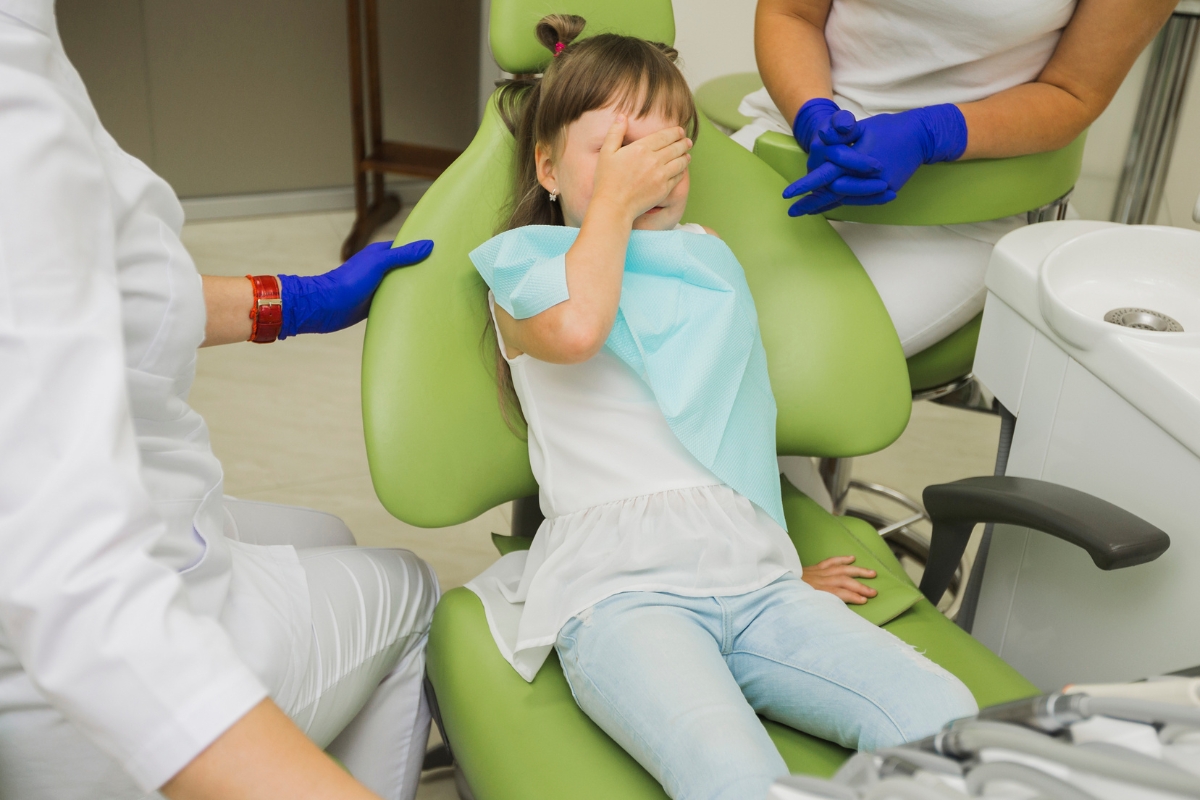
My Child Is Scared of the Dentist, What Actually Works to Calm Them Down?

March 23, 2026
Why Does My Child Keep Getting Cavities Even After Brushing?
Categories
Dental Health (31)
Patients love it here

My husband and I visited Palm Valley Dental, and it was a rewarding experience. Dr. Torres and Dr. Trevino are so patient, knowledgeable and professional. Caleb, the Dental Hygienist is also very thorough and courteous. The office staff are so pleasant and helpful as well.


Adalia De Luna
Literally, the first time ever at dentist, went in terrified, left informed on my dental care/plan, and scheduled my return visit for the in depth cleaning. Overall, great experience, staff & doctor were attentive, professional and very receptive to all my questions and even the nervousness I displayed.

Sandra Palomo
I love this place. Aside from the amazing and comprehensive dental services, customer service and my time are really important to me. It is rare to find everything I care about in one place.

Karla DeWald
Dr. Treviño and staff are wonderful!! Very clean environment. Dr is so good I had a filling adjustment without being numbed up!! If that doesn't tell you how good they are, I don't know what will!!

Issa Garcia
I love this place. Aside from the amazing and comprehensive dental services, customer service and my time are really important to me. It is rare to find everything I care about in one place.
Karla DeWald
After experiencing a few negative experiences at a previous dental practice, I cautiously decided to try this new dental place. I had a wonderful first visit here and felt a great relief after my appointment. Everyone I encountered was so kind and friendly, and all my concerns and questions were addressed. I highly recommend. 😊