

Do Cavities in Baby Teeth Really Matter?
August 4, 2025
Pediatric Dentistry
Many parents assume that since baby teeth fall out, cavities in them aren’t a big deal. But that couldn’t be further from the truth. Baby teeth (primary teeth) are critical in your child’s health, development, and future smile. If you’re wondering whether treating cavities in baby teeth is worth the effort, the short answer is: absolutely.
The Real Role of Baby Teeth
Baby teeth aren’t just temporary placeholders. They help children chew properly, develop clear speech, and guide adult teeth into their correct positions. Losing baby teeth too early due to untreated cavities can lead to long-term dental issues such as misalignment, crowding, or jaw development problems.
According to the American Academy of Pediatric Dentistry (AAPD), tooth decay is the most common chronic childhood disease, more common than asthma or obesity. Cavities in baby teeth can also cause pain, infections, and difficulty eating or sleeping. Left untreated, these infections can spread to other areas of the body, posing serious health risks.
Cavities Can Impact Permanent Teeth
When decay in a baby tooth becomes severe, it can affect the underlying permanent tooth before it even erupts. This could mean your child starts life with damaged or poorly developed adult teeth. Additionally, kids with untreated cavities in their baby teeth are more likely to have dental problems later in life.
Parents often ask, “Is it worth filling a tooth that will fall out?” The answer depends on how soon the tooth is expected to fall out, but in most cases, yes—treating the tooth prevents pain and supports proper oral development.
If you’re unsure where to start, visit a child-friendly dentist who understands how to make your child comfortable while addressing their unique dental needs.
Signs Your Child May Have a Cavity
Children may not always say they’re in pain, so it’s essential to look out for these signs:
✅ Sensitivity to hot, cold, or sweet foods
✅ Complaints of mouth pain
✅ Visible pits or holes in teeth
✅ Swollen or bleeding gums
✅ Avoiding certain foods
Regular dental checkups help catch these issues early, often before your child feels discomfort.
How to Prevent Cavities in Baby Teeth
Preventing tooth decay in children is very achievable with the proper daily habits. Here are a few key tips:
✅ Start early: Brush your child’s teeth when the first tooth appears. Use a rice-sized amount of fluoride toothpaste for toddlers under 3 and a pea-sized amount for kids over 3.
✅ Establish a routine: Brush twice a day and floss once daily.
✅ Watch the sugar: Limit sugary snacks and drinks. Juice should be given sparingly, if at all.
✅ Regular dental visits: Schedule your child’s first dental visit by age one, or within six months of their first tooth.
Pediatric dental visits are more than just cleanings—they’re a chance to monitor development, educate parents, and establish a lifelong foundation for healthy habits.
Cavities in baby teeth are not harmless. They can cause pain, affect a child’s self-esteem, interfere with eating and speaking, and lead to long-term oral health issues. Taking baby teeth seriously today can save your child from more complex and expensive dental treatments in the future.
Is Your Child Due for a Dental Checkup?
Give your child the best start for a healthy smile by scheduling an appointment with a trusted pediatric dentist who makes dental visits a positive experience. Help them grow up with strong, cavity-free teeth that last a lifetime.
Recent Post

October 6, 2026
How to Clean Dentures: A Daily Care Routine
September 25, 2026
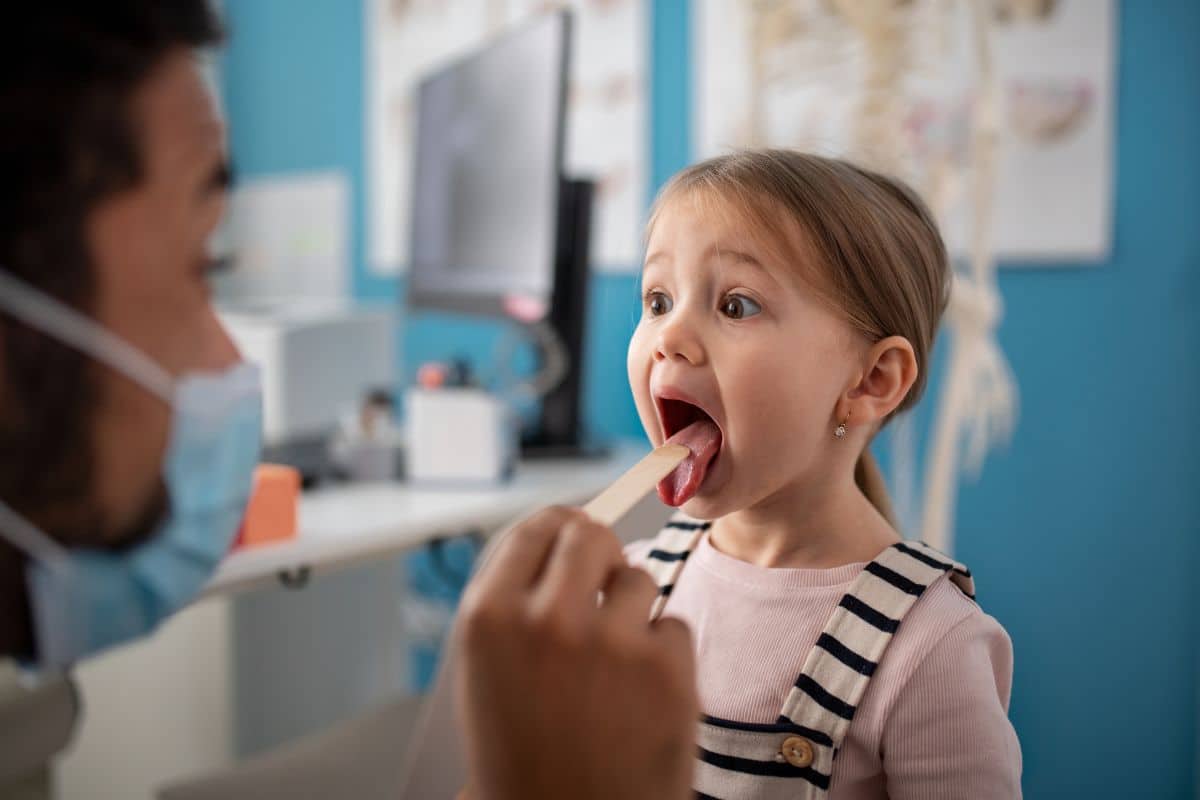
Signs of Cavities in Children: What Parents Should Know
September 17, 2026
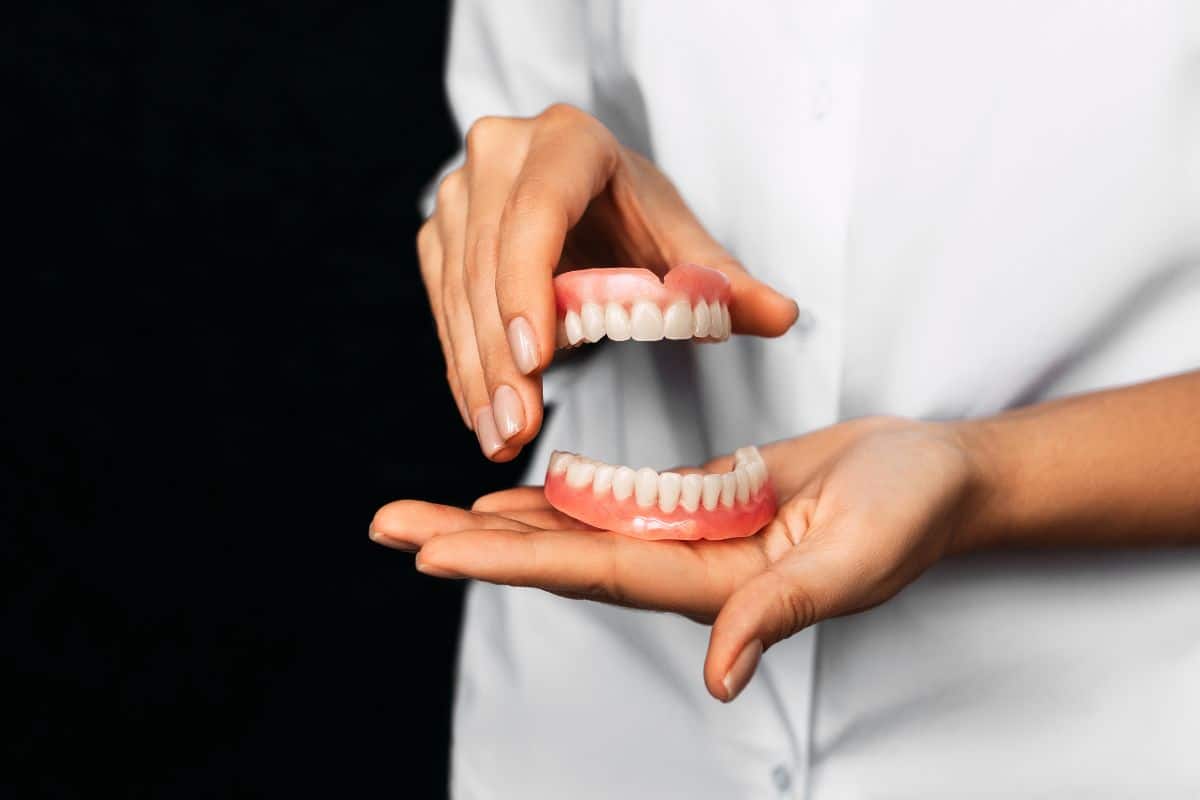
How Long Do Dentures Last? Signs to Replace Them

September 14, 2026
What Foods Can You Eat After Dental Implant Surgery?

September 8, 2026
10 Signs You May Need Root Canal Treatment
Categories
Pediatric Dentistry (31)
Patients love it here

My husband and I visited Palm Valley Dental, and it was a rewarding experience. Dr. Torres and Dr. Trevino are so patient, knowledgeable and professional. Caleb, the Dental Hygienist is also very thorough and courteous. The office staff are so pleasant and helpful as well.


Adalia De Luna
Literally, the first time ever at dentist, went in terrified, left informed on my dental care/plan, and scheduled my return visit for the in depth cleaning. Overall, great experience, staff & doctor were attentive, professional and very receptive to all my questions and even the nervousness I displayed.

Sandra Palomo
I love this place. Aside from the amazing and comprehensive dental services, customer service and my time are really important to me. It is rare to find everything I care about in one place.

Karla DeWald
Dr. Treviño and staff are wonderful!! Very clean environment. Dr is so good I had a filling adjustment without being numbed up!! If that doesn't tell you how good they are, I don't know what will!!

Issa Garcia
I love this place. Aside from the amazing and comprehensive dental services, customer service and my time are really important to me. It is rare to find everything I care about in one place.
Karla DeWald
After experiencing a few negative experiences at a previous dental practice, I cautiously decided to try this new dental place. I had a wonderful first visit here and felt a great relief after my appointment. Everyone I encountered was so kind and friendly, and all my concerns and questions were addressed. I highly recommend. 😊