

Do Genetics Affect Your Oral Health?
August 11, 2025
Dental Care
Regarding your smile, brushing and flossing are only part of the story. Your genes can also play a surprisingly significant role in determining your oral health. While good oral hygiene and regular dental visits are essential, research shows that certain genetic traits can make you more prone to issues like cavities, gum disease, or even oral cancer. Understanding these genetic factors can help you take proactive steps toward a healthier smile.
If you live in Texas and want personalized dental advice, visiting an experienced dentist in Edinburg can help you understand your unique oral health needs and get a preventive plan that works for you.
How Genetics Influence Oral Health
Scientists have identified specific genes that affect everything from the strength of your enamel to how your immune system responds to bacteria in your mouth. Some of the key ways genetics play a role include:
1. Tooth Enamel Strength
Your enamel is your teeth’s first defense against decay. Genetic variations can determine how strong or weak your enamel is, making you more (or less) prone to cavities. People with naturally softer enamel must be vigilant about daily oral care and professional checkups.
2. Saliva Composition
Saliva doesn’t just keep your mouth moist—it also helps neutralize acids and wash away food particles. The amount and quality of your saliva are influenced by genetics, and a lower protective factor in your saliva can increase your risk of decay.
3. Gum Disease Susceptibility
According to the Centers for Disease Control and Prevention (CDC), genetics can influence how your immune system responds to the bacteria that cause gum disease. If periodontal disease runs in your family, you might develop symptoms even with good oral hygiene, making regular dental visits even more important.
4. Misaligned Teeth and Jaw Structure
The size and shape of your jaw and how your teeth grow in are often inherited. Crowded or misaligned teeth can be harder to clean, which may lead to more cavities and gum problems over time.
5. Oral Cancer Risk
Genetic factors can also increase your risk for oral cancer, especially when combined with environmental factors like tobacco use or excessive alcohol consumption.
Genetics vs. Lifestyle: Which Matters More?
While genetics can set the stage, lifestyle habits often determine the outcome. Even if you have a genetic predisposition to dental problems, consistent oral hygiene, regular checkups, and a balanced diet can significantly reduce your risk.
For example:
✅ Brushing twice a day with fluoride toothpaste helps protect enamel.
✅ Flossing daily removes plaque between teeth where brushes can’t reach.
✅ Professional cleanings remove stubborn tartar that can lead to gum disease.
✅ Avoiding excessive sugar and acidic drinks can help prevent enamel erosion.
How to Protect Your Smile if Genetics Aren’t on Your Side
Even if you’ve inherited traits that make you more vulnerable to oral health problems, you can still take control. Here’s how:
✅ Visit Your Dentist Regularly: Get professional cleanings and early detection for potential issues.
✅ Share Your Family History: Let your dentist know if gum disease, tooth loss, or oral cancer runs in your family.
✅ Use Preventive Treatments: Sealants, fluoride treatments, and custom mouthguards can offer extra protection.
✅ Stay Informed: Follow reputable sources like the American Dental Association (ADA) for the latest dental health advice.
Genetics can influence oral health in powerful ways, but they don’t determine your fate. By combining professional care with healthy daily habits, you can protect your smile for years.
Ready to take control of your oral health? Visit our dental office in Edinburg to schedule your appointment today and get personalized care that fits your needs. Your healthiest smile starts now!
Recent Post

October 6, 2026
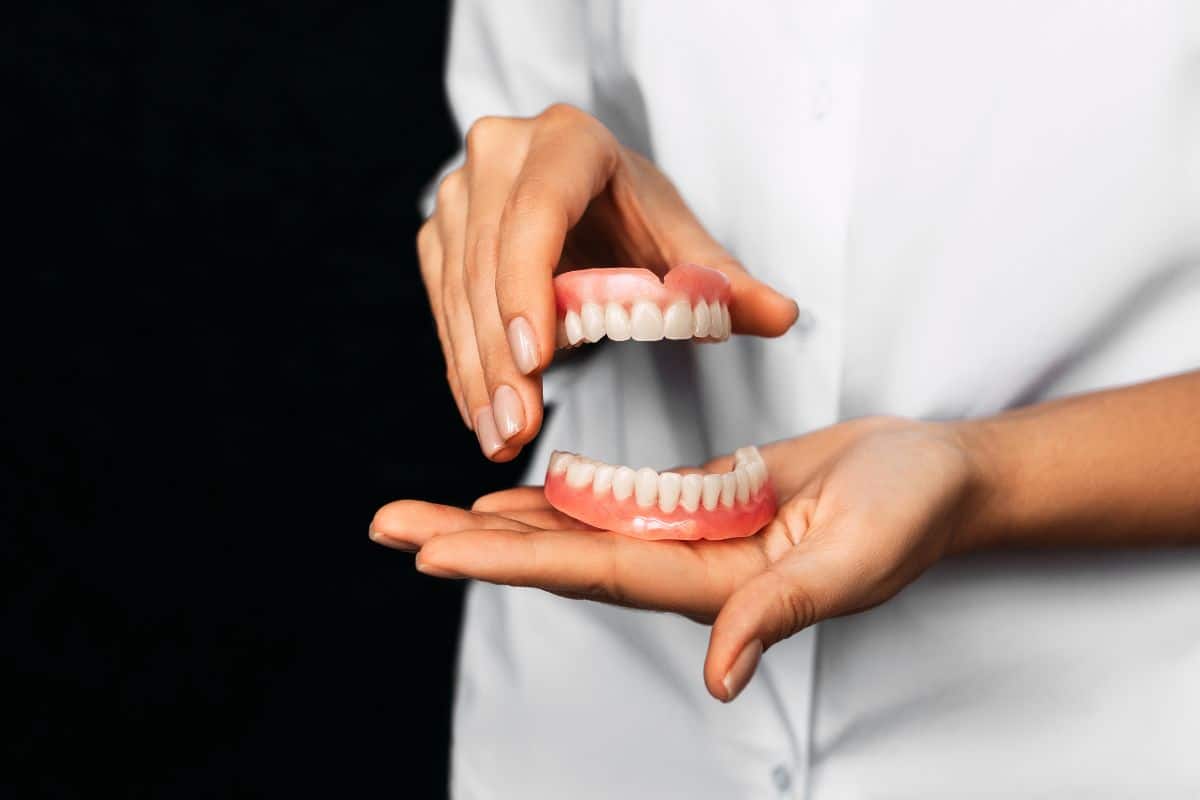
How to Clean Dentures: A Daily Care Routine

September 25, 2026
Signs of Cavities in Children: What Parents Should Know
September 17, 2026
How Long Do Dentures Last? Signs to Replace Them

September 14, 2026
What Foods Can You Eat After Dental Implant Surgery?

September 8, 2026
10 Signs You May Need Root Canal Treatment
Categories
Dental Care (36)
Patients love it here

My husband and I visited Palm Valley Dental, and it was a rewarding experience. Dr. Torres and Dr. Trevino are so patient, knowledgeable and professional. Caleb, the Dental Hygienist is also very thorough and courteous. The office staff are so pleasant and helpful as well.


Adalia De Luna
Literally, the first time ever at dentist, went in terrified, left informed on my dental care/plan, and scheduled my return visit for the in depth cleaning. Overall, great experience, staff & doctor were attentive, professional and very receptive to all my questions and even the nervousness I displayed.

Sandra Palomo
I love this place. Aside from the amazing and comprehensive dental services, customer service and my time are really important to me. It is rare to find everything I care about in one place.

Karla DeWald
Dr. Treviño and staff are wonderful!! Very clean environment. Dr is so good I had a filling adjustment without being numbed up!! If that doesn't tell you how good they are, I don't know what will!!

Issa Garcia
I love this place. Aside from the amazing and comprehensive dental services, customer service and my time are really important to me. It is rare to find everything I care about in one place.
Karla DeWald
After experiencing a few negative experiences at a previous dental practice, I cautiously decided to try this new dental place. I had a wonderful first visit here and felt a great relief after my appointment. Everyone I encountered was so kind and friendly, and all my concerns and questions were addressed. I highly recommend. 😊