
Crunchy or Chewy? Foods to Avoid After Tooth Extraction Explained
May 28, 2024
Tooth Extractions
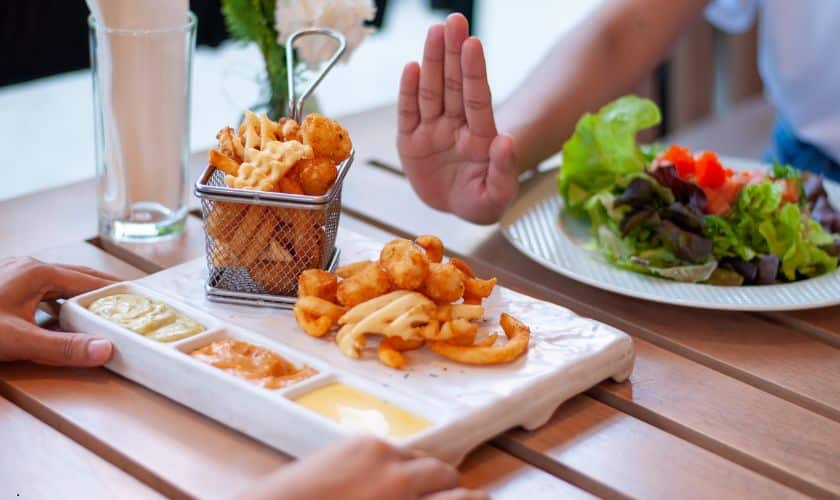
Tooth extraction, while sometimes necessary, can be a disruptive experience. Following your dentist’s post-operative instructions is crucial for a smooth and comfortable recovery. One essential aspect of healing involves dietary modifications. So, you might be wondering: what exactly should I avoid after a tooth extraction? This blog focuses specifically on crunchy and chewy foods and explains why they’re off-limits during the initial healing period.
The Healing Process and Potential Risks
Following a tooth extraction, a blood clot forms in the socket where the tooth was removed. This clot is vital for stopping bleeding and promoting healthy bone growth. Crunchy and chewy foods can disrupt this delicate process in several ways:
Dislodging the Clot: These foods require significant chewing force, which can dislodge the blood clot from the socket. This exposes the sensitive underlying bone and nerves, leading to pain, prolonged bleeding, and potentially delaying healing.
Tearing Soft Tissue: Crunchy or chewy foods can tear the delicate healing tissues surrounding the extraction site. This can increase discomfort and make you more susceptible to infection.
Putting Pressure on the Extraction Site: Chewing crunchy or chewy foods puts undue pressure on the extraction site, which can be painful and hinder proper healing.
Examples of Crunchy and Chewy Culprits
Now that you understand the risks, let’s explore some specific examples of crunchy and chewy foods to avoid during the initial healing period (typically 3-7 days after extraction):
Crunchy: Nuts (almonds, peanuts, cashews), seeds (sunflower seeds, pumpkin seeds), popcorn, chips, pretzels, raw vegetables (carrots, celery), apples, hard candies
Chewy: Gummy candies, caramels, chewy granola bars, tough meats (steak, jerky), chewy breads (bagels)
Soft Food Swaps for a Speedy Recovery
Don’t worry, a soft food diet doesn’t have to be bland! Here are some delicious and nutritious soft food options you can enjoy during your recovery:
Fruits: Mashed bananas, applesauce, pears, ripe mangoes, peaches
Vegetables: Mashed potatoes, steamed or roasted soft vegetables (broccoli florets, sweet potatoes)
Dairy: Yogurt, soft cheeses, milk puddings
Grains: Soft oatmeal, cream of wheat, cooked pasta (avoid al dente)
Soups: Creamy soups, broths with soft noodles
Proteins: Scrambled eggs, well-cooked fish, ground meatloaf (avoid chewy textures)
Remember:
Listen to Your Body: While this blog provides a general guideline, it’s important to listen to your body. If a particular soft food feels uncomfortable, avoid it and opt for something softer.
Stick to Liquids Initially: In the immediate aftermath of the extraction, stick to cool liquids like smoothies, milkshakes, and water to minimize discomfort.
Gradual Reintroduction: As your extraction site heals, you can gradually reintroduce more solid foods. Start with softer textures and progress to harder foods as tolerated.
Following these tips and avoiding crunchy and chewy foods in the initial stages of healing will significantly improve your comfort and promote a smooth recovery after a tooth extraction. If you have any questions or concerns about your post-extraction diet, don’t hesitate to contact your dentist. They can provide personalized guidance to ensure optimal healing and a speedy return to your normal eating habits.
Recent Post

October 6, 2026
How to Clean Dentures: A Daily Care Routine

September 25, 2026
Signs of Cavities in Children: What Parents Should Know
September 17, 2026
How Long Do Dentures Last? Signs to Replace Them
September 14, 2026
What Foods Can You Eat After Dental Implant Surgery?

September 8, 2026
10 Signs You May Need Root Canal Treatment
Categories
Tooth Extractions (4)
Patients love it here

My husband and I visited Palm Valley Dental, and it was a rewarding experience. Dr. Torres and Dr. Trevino are so patient, knowledgeable and professional. Caleb, the Dental Hygienist is also very thorough and courteous. The office staff are so pleasant and helpful as well.


Adalia De Luna
Literally, the first time ever at dentist, went in terrified, left informed on my dental care/plan, and scheduled my return visit for the in depth cleaning. Overall, great experience, staff & doctor were attentive, professional and very receptive to all my questions and even the nervousness I displayed.

Sandra Palomo
I love this place. Aside from the amazing and comprehensive dental services, customer service and my time are really important to me. It is rare to find everything I care about in one place.

Karla DeWald
Dr. Treviño and staff are wonderful!! Very clean environment. Dr is so good I had a filling adjustment without being numbed up!! If that doesn't tell you how good they are, I don't know what will!!

Issa Garcia
I love this place. Aside from the amazing and comprehensive dental services, customer service and my time are really important to me. It is rare to find everything I care about in one place.
Karla DeWald
After experiencing a few negative experiences at a previous dental practice, I cautiously decided to try this new dental place. I had a wonderful first visit here and felt a great relief after my appointment. Everyone I encountered was so kind and friendly, and all my concerns and questions were addressed. I highly recommend. 😊