
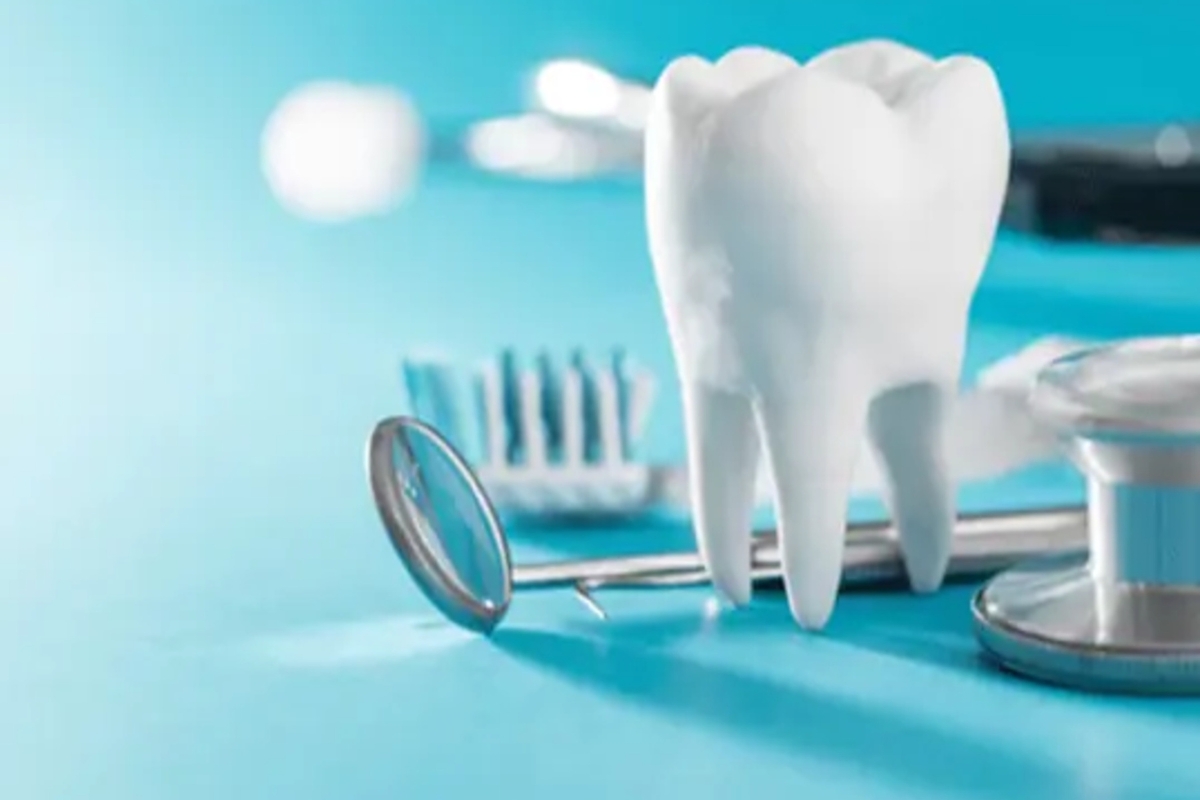
How to Build a Home Dental Emergency Kit for Families
February 26, 2026
Emergency Dental Care
A tooth gets knocked out during a soccer game. Your child cracks a molar biting into hard candy. It is Sunday night, and you are nowhere near a dental office. These moments happen to almost every family at some point, and how you respond in the first few minutes can make a real difference in saving a tooth or easing pain until help is available.
Having a home dental emergency kit ready is one of the simplest, most practical things a family can do. Think of it like a first aid kit, but built just for your teeth and gums. Whether you have young kids or teens in the house, being prepared helps you stay calm and act fast.
As a trusted Edinburg dentist serving families across the Rio Grande Valley, the team at Palm Valley Dental sees many cases where patients arrive with avoidable damage simply because they did not have basic supplies at home. This guide walks you through everything you need, step by step.
Why Every Family Needs a Dental Emergency Kit
Dental emergencies do not wait for business hours. A knocked-out permanent tooth, for example, has the best chance of being saved if it is handled correctly within 30 minutes. Without the right supplies, most people panic or make the wrong move, like scrubbing the tooth root clean, which actually damages it further.
Kids are especially active and prone to falls, sports injuries, and unexpected tooth problems. That is why a pediatric dentist in Edinburg TX will often tell parents that having a small kit at home is just as important as keeping a box of bandages in the bathroom cabinet.
What to Put in Your Home Dental Emergency Kit
1. Tooth Preservation Solution
If a permanent tooth gets knocked out, it needs to stay moist right away. Products like Save-A-Tooth are specifically designed to keep a displaced tooth alive for up to 24 hours. If you do not have this product handy, plain whole milk is a good backup option. Never use water alone, and never wrap the tooth in a dry cloth.
2. Dental Wax or Temporary Filling Material
Dental wax (like Dentemp or Cavity) is great for covering a sharp broken tooth edge or a lost filling. It keeps bacteria out and reduces pain while you wait for your appointment. These are inexpensive and easy to find at most pharmacies.
3. Sterile Gauze Pads
Gauze helps control bleeding from a cut in the mouth or around a tooth that has been loosened. Keep a small pack in your kit at all times.
4. Over-the-Counter Pain Reliever
Ibuprofen or acetaminophen can ease tooth pain temporarily. Do not place aspirin directly on the gum or tooth tissue, as this can cause a chemical burn.
5. Small Mirror and Penlight
Being able to see inside the mouth clearly helps you assess what is going on before calling for help. A small dental mirror and a penlight are both cheap and compact.
6. Clove Oil or Dental Numbing Gel
Clove oil contains eugenol, a natural anesthetic. A small amount applied to a cotton swab and held gently against a sore tooth can ease the pain. Dental numbing gels like Orajel work in a similar way and are safe for most ages when used as directed.
7. Tweezers and Cotton Swabs
These tools help you apply products carefully and remove debris from around a tooth without making things worse.
8. Emergency Dental Contact Card
This is often overlooked. Write down the name and number of your dentist, an after-hours emergency line, and the nearest urgent dental care facility. Keep this card inside the kit so it is always ready.
How to Store Your Kit Properly
Use a small, waterproof case with a tight lid. Keep it somewhere easy to reach, like a bathroom cabinet or kitchen drawer, but out of reach of small children. Check the expiration dates on products once a year, and replace anything that has run out or expired.
For families with multiple kids, it is smart to keep a second, smaller kit in your car for sports events and travel days.
Common Dental Emergencies and What to Do First
Knowing what to do in the first few minutes is just as valuable as having the right supplies. According to the American Academy of Pediatric Dentistry, quick and calm action in a dental emergency significantly improves outcomes for children.
Knocked-out permanent tooth: Pick it up by the crown, not the root. Rinse gently with water without scrubbing. Place it back in the socket if possible, or keep it in tooth preservation solution. Get to a dentist within 30 minutes.
Broken tooth: Rinse the mouth with warm water. Apply gauze if there is bleeding. Use dental wax to cover sharp edges. Call your dentist right away.
Severe toothache: Rinse with warm saltwater. Take an over-the-counter pain reliever as directed. Avoid placing anything hot or cold directly on the tooth. See a dentist as soon as possible.
Lost filling or crown: Use temporary filling material to cover the area. Avoid chewing on that side. Call your dentist for same-day or next-day care.
For guidance on handling tooth injuries in children specifically, the AAPD’s parent resource page is a reliable and easy-to-read source.
Ready to Protect Your Family’s Smile?
Building a dental emergency kit is a smart first step, but regular dental visits are what keep problems from becoming emergencies in the first place. If your family is due for a checkup, or if your child needs care from a trusted pediatric dentist in Edinburg TX, Palm Valley Dental is here to help. Our team on Jackson Rd in Edinburg is accepting new patients and families of all ages.
Do not wait for a toothache to remind you. Schedule a consultation with our team today, or simply contact a local dental office near you to get started. Your family’s comfort and safety are worth it.
Call Palm Valley Dental or visit us at Jackson Rd, Edinburg, TX to book your appointment. As your neighborhood Edinburg dentist, we are proud to serve the families of the Rio Grande Valley with honest, caring dental care.
Frequently Asked Questions
What is the most important item to have in a home dental emergency kit?
A tooth preservation solution is the single most important item for families with children. It can save a knocked-out permanent tooth if used quickly and correctly.
Can I use clove oil on my child’s tooth?
Clove oil can be used carefully on older children, but it is very strong and should be diluted and applied only to the tooth, not the gums. Always follow product directions and call a dental office if you are unsure.
What should I avoid doing during a dental emergency?
Avoid scrubbing a knocked-out tooth, placing aspirin directly on the gum, using super glue on a crown or tooth, or popping a dental abscess at home. These can make things worse.
How long can I wait before seeing a dentist after a dental emergency?
Do not wait long. Most dental emergencies need attention within a few hours. A knocked-out tooth should be seen within 30 minutes for the best chance of saving it.
Is a dental emergency kit the same as a regular first aid kit?
No. A general first aid kit does not include items like tooth preservation solution, dental wax, or clove oil. A dental kit is built specifically for tooth and mouth injuries.
How often should I update my dental emergency kit?
Check it at least once a year. Replace any expired products and refill anything you have used. It is a good habit to review it at the same time you check your smoke alarm batteries.
Does a home dental kit replace going to the dentist?
Not at all. A home kit is for managing a situation in the short term until you can reach professional care. It is not a substitute for proper dental treatment.
Additional Resources
Recent Post

October 6, 2026
How to Clean Dentures: A Daily Care Routine
September 25, 2026
Signs of Cavities in Children: What Parents Should Know
September 17, 2026
How Long Do Dentures Last? Signs to Replace Them

September 14, 2026
What Foods Can You Eat After Dental Implant Surgery?

September 8, 2026
10 Signs You May Need Root Canal Treatment
Categories
Emergency Dental Care (22)
Patients love it here

My husband and I visited Palm Valley Dental, and it was a rewarding experience. Dr. Torres and Dr. Trevino are so patient, knowledgeable and professional. Caleb, the Dental Hygienist is also very thorough and courteous. The office staff are so pleasant and helpful as well.


Adalia De Luna
Literally, the first time ever at dentist, went in terrified, left informed on my dental care/plan, and scheduled my return visit for the in depth cleaning. Overall, great experience, staff & doctor were attentive, professional and very receptive to all my questions and even the nervousness I displayed.

Sandra Palomo
I love this place. Aside from the amazing and comprehensive dental services, customer service and my time are really important to me. It is rare to find everything I care about in one place.

Karla DeWald
Dr. Treviño and staff are wonderful!! Very clean environment. Dr is so good I had a filling adjustment without being numbed up!! If that doesn't tell you how good they are, I don't know what will!!

Issa Garcia
I love this place. Aside from the amazing and comprehensive dental services, customer service and my time are really important to me. It is rare to find everything I care about in one place.
Karla DeWald
After experiencing a few negative experiences at a previous dental practice, I cautiously decided to try this new dental place. I had a wonderful first visit here and felt a great relief after my appointment. Everyone I encountered was so kind and friendly, and all my concerns and questions were addressed. I highly recommend. 😊