
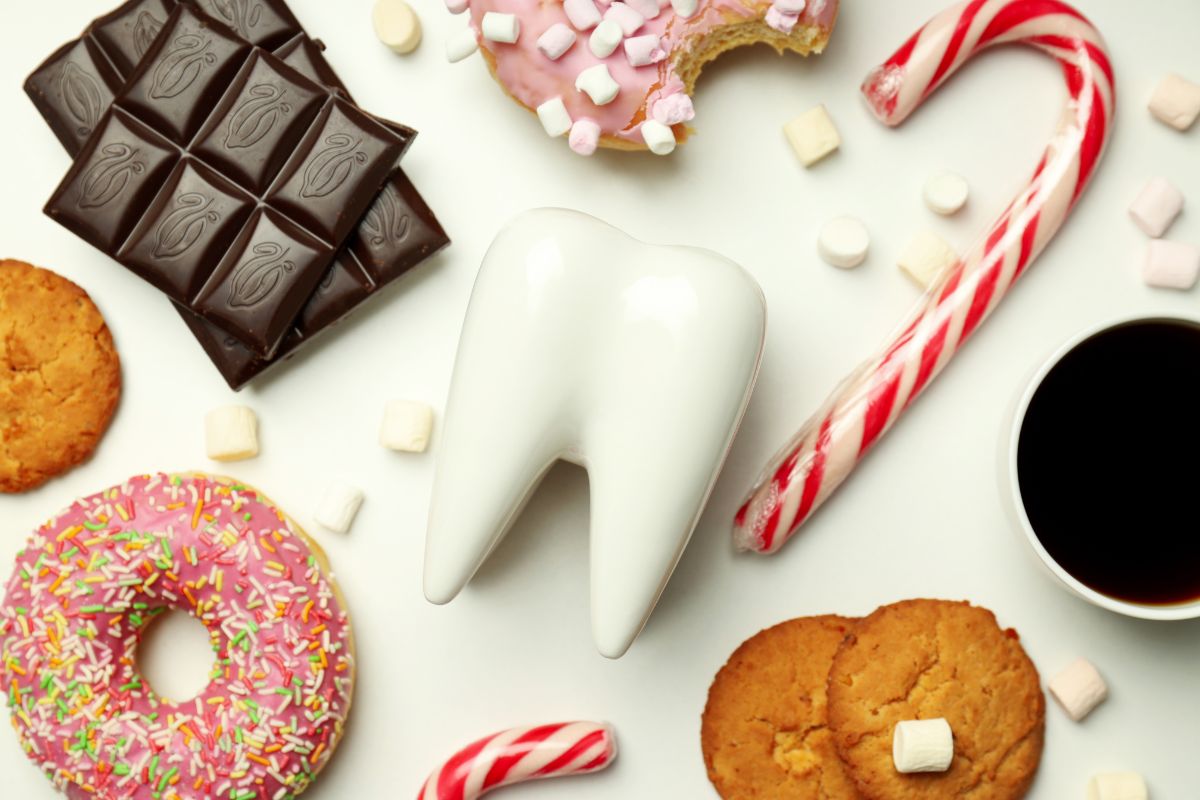
How Poor Nutrition Affects Your Oral Health
September 1, 2025
Oral Health
Your diet shapes more than your waistline. It also impacts your teeth, gums, and overall oral health. When you neglect proper nutrition, your mouth becomes vulnerable to cavities, gum disease, and tooth loss. A healthy smile depends on your eating, not just on how well you brush or floss.
The Link Between Nutrition and Oral Health
Every time you snack on sugary or processed foods, you feed the harmful bacteria in your mouth. These bacteria produce acids that erode enamel and create cavities. Without enough vitamins and minerals, your body struggles to repair tissues and fight off infections. Think of food as fuel: if you give your body poor fuel, your oral health suffers.
Common Nutritional Deficiencies That Harm Your Teeth
Nutrients such as calcium, vitamin D, and vitamin C are crucial in keeping your smile strong. When you lack these nutrients, your enamel weakens, gums bleed easily, and infections spread faster. If you experience frequent cavities or gum problems, visiting a dentist in Edinburg can help you get professional care and nutritional guidance. Eating balanced meals rich in leafy greens, dairy, lean proteins, and fresh fruits supports your teeth and gums in the long run.
How Sugary Foods Damage Your Smile
Sugar sits at the center of most oral health issues. Candy, soda, and fruit juices coat your teeth with sticky residue that bacteria love. Over time, this leads to plaque buildup and tooth decay. Limiting sugar intake and drinking water instead of soda can protect your teeth. If you crave sweets, choose natural options like fresh fruit, which comes with fiber and nutrients that support your body instead of harming it.
The Role of Hydration in Oral Health
Water isn’t just for quenching thirst. It rinses away food particles, balances mouth acidity, and stimulates saliva production. Saliva acts as your body’s natural defense, protecting enamel from harmful acids. Drinking soda or juice instead of water increases your risk of dental problems. Make hydration a daily habit to keep your smile fresh and healthy.
How Poor Nutrition Increases Risk of Gum Disease
A diet low in nutrients weakens your immune system. A poor diet weakens your immune defenses, leaving you more vulnerable to gum infections. If untreated, gum disease can progress from bleeding gums to eventual tooth loss. Consuming foods rich in omega-3 fatty acids, antioxidants, and whole grains helps reduce inflammation and strengthen your gums.
Protecting Your Smile Through Better Nutrition
Improving your oral health doesn’t require drastic changes. Start with small steps:
✅ Replace soda with water or unsweetened tea
✅ Add more calcium-rich foods like yogurt and cheese
✅ Snack on crunchy vegetables instead of chips
✅ Eat protein-rich meals to strengthen tissues and bones
These small choices build long-term results and keep your smile bright and healthy.
Your smile reflects your overall health, and nutrition plays a significant role in protecting it. Start with better eating habits today to prevent cavities, reduce gum disease risk, and enjoy a healthier lifestyle. For expert guidance and personalized care, schedule an appointment with our trusted dental team in Edinburg. Take control of your oral health and keep your smile shining for years.
FAQ Section
1. Can poor nutrition really damage my teeth?
Yes, poor nutrition weakens your enamel, increases cavities, and increases gum disease risk.
2. Which foods are best for healthy teeth?
Leafy greens, dairy, lean proteins, and fresh fruits help protect and strengthen your teeth.
3. How does sugar affect oral health?
Sugar acts like fuel for harmful bacteria, which produce acids that attack enamel and lead to decay and cavities.
4. Can drinking more water improve my oral health?
Absolutely. Water rinses away food particles and keeps your mouth hydrated and clean.
Recent Post

October 6, 2026
How to Clean Dentures: A Daily Care Routine

September 25, 2026
Signs of Cavities in Children: What Parents Should Know
September 17, 2026
How Long Do Dentures Last? Signs to Replace Them

September 14, 2026
What Foods Can You Eat After Dental Implant Surgery?

September 8, 2026
10 Signs You May Need Root Canal Treatment
Categories
Oral Health (17)
Patients love it here

My husband and I visited Palm Valley Dental, and it was a rewarding experience. Dr. Torres and Dr. Trevino are so patient, knowledgeable and professional. Caleb, the Dental Hygienist is also very thorough and courteous. The office staff are so pleasant and helpful as well.


Adalia De Luna
Literally, the first time ever at dentist, went in terrified, left informed on my dental care/plan, and scheduled my return visit for the in depth cleaning. Overall, great experience, staff & doctor were attentive, professional and very receptive to all my questions and even the nervousness I displayed.

Sandra Palomo
I love this place. Aside from the amazing and comprehensive dental services, customer service and my time are really important to me. It is rare to find everything I care about in one place.

Karla DeWald
Dr. Treviño and staff are wonderful!! Very clean environment. Dr is so good I had a filling adjustment without being numbed up!! If that doesn't tell you how good they are, I don't know what will!!

Issa Garcia
I love this place. Aside from the amazing and comprehensive dental services, customer service and my time are really important to me. It is rare to find everything I care about in one place.
Karla DeWald
After experiencing a few negative experiences at a previous dental practice, I cautiously decided to try this new dental place. I had a wonderful first visit here and felt a great relief after my appointment. Everyone I encountered was so kind and friendly, and all my concerns and questions were addressed. I highly recommend. 😊