
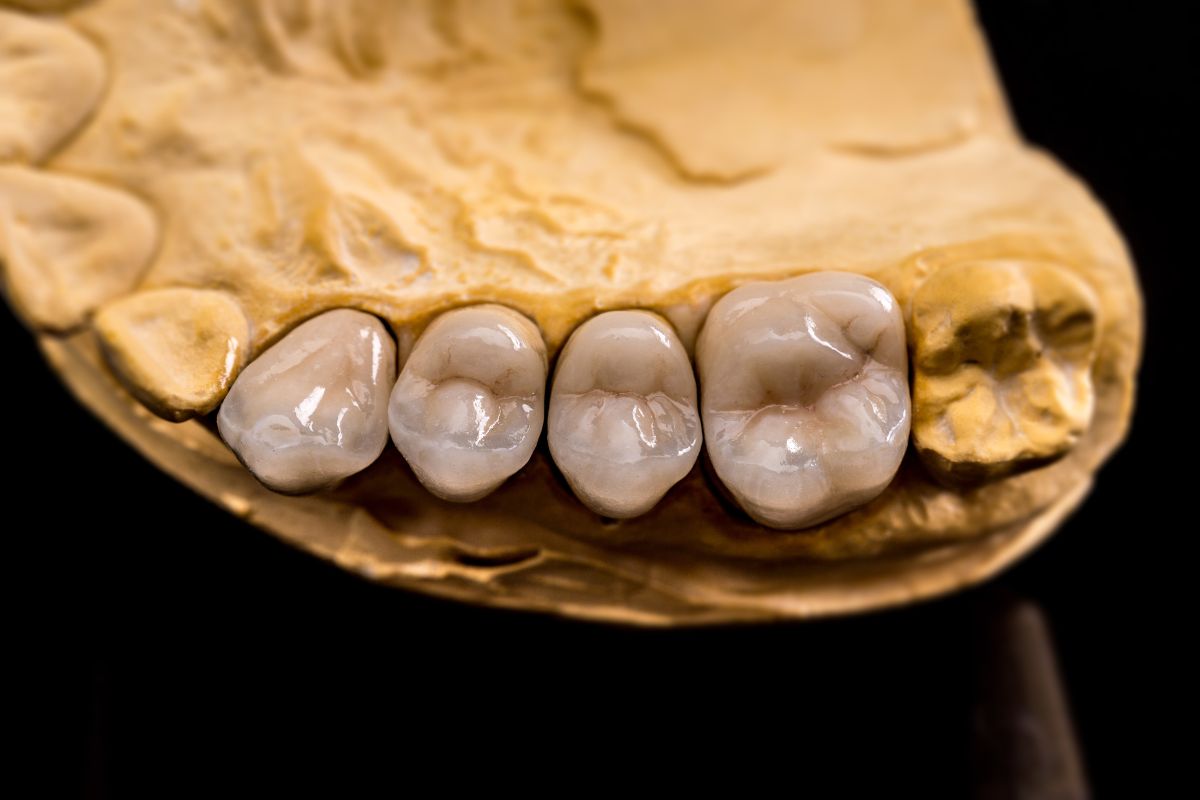
How to Fix a Broken Dental Crown?
July 7, 2025
Dental Crowns
Dental crowns are built to last, but they’re not indestructible. Whether from biting something hard, grinding your teeth, or simply wearing over time, a crown can crack, loosen, or even fall off. If you’re dealing with a broken dental crown, don’t panic. Acting quickly can help you avoid further damage and discomfort.
Let’s explain exactly what you should do, what not to do, and when to seek professional help.
Step 1: Stay Calm and Assess the Damage
First, determine the extent of the damage. Did the crown crack, chip, or completely detach from the tooth? If the crown is still in place and you’re not experiencing pain, avoid chewing on that side and contact your dentist as soon as possible. On the other hand, if it came off, rinse it gently and keep it in a clean container. Do not try to glue it back on with household adhesives—they’re unsafe for oral use.
Step 2: Protect the Tooth Until You See Your Dentist
A missing or broken crown leaves the underlying tooth vulnerable. To reduce sensitivity or pain, apply dental wax or temporary dental cement (available at most drugstores) to cover the exposed area. Avoid hot, cold, or sticky foods. If you’re in pain, take an over-the-counter pain reliever and call your dental office immediately.
This is also a good time to revisit your dental crown procedure details, especially if you’re considering long-term solutions or a replacement crown. Understanding what your original crown was made of (porcelain, ceramic, metal, or a combination) can help your dentist determine the best fix.
Step 3: Visit Your Dentist for a Proper Repair
Your dentist will examine the crown and the tooth beneath it to decide the next step. Depending on the severity, they may:
✔ Re-cement the existing crown (if it’s intact and the fit is still good).
✔ Repair minor cracks or chips using dental bonding.
✔ Replace the crown entirely if it’s too damaged or if decay is found underneath.
Early intervention can often save the crown and prevent complications like infections or root canal treatments.
Step 4: Prevent Future Crown Damage
After your crown is repaired or replaced, please take steps to protect it. Avoid chewing on ice, hard candies, or non-food items like pens. If you grind your teeth at night, ask your dentist about a custom mouthguard. Also, maintain excellent oral hygiene—brush and floss daily, and schedule regular checkups to monitor the health of the crown and the underlying tooth.
When to Call the Dentist Immediately
Contact your dental office right away if:
- You feel sharp pain or heightened sensitivity around the area of the broken crown.
- You experience swelling, bleeding, or signs of infection
- The crown falls out and exposes a previously root-canaled tooth
- You’re not certain whether the damage is to the crown, the tooth beneath it, or both
Delaying care can lead to bigger problems, including tooth loss.
Don’t Wait—Protect Your Smile Today
A broken dental crown may seem alarming, but it’s a fixable issue. With timely care and the right treatment, you can restore your smile’s appearance and function quickly.
If you suspect your crown is damaged, contact your local dentist today to schedule an exam. The sooner you act, the easier—and more comfortable—the solution will be.
Ready to Fix Your Dental Crown?
Whether you need a crown repair, replacement, or a full restoration, your dentist is here to help. Book your appointment today and protect your smile for the future.
Recent Post

October 6, 2026
How to Clean Dentures: A Daily Care Routine
September 25, 2026
Signs of Cavities in Children: What Parents Should Know
September 17, 2026
How Long Do Dentures Last? Signs to Replace Them

September 14, 2026
What Foods Can You Eat After Dental Implant Surgery?

September 8, 2026
10 Signs You May Need Root Canal Treatment
Categories
Dental Crowns (18)
Patients love it here

My husband and I visited Palm Valley Dental, and it was a rewarding experience. Dr. Torres and Dr. Trevino are so patient, knowledgeable and professional. Caleb, the Dental Hygienist is also very thorough and courteous. The office staff are so pleasant and helpful as well.


Adalia De Luna
Literally, the first time ever at dentist, went in terrified, left informed on my dental care/plan, and scheduled my return visit for the in depth cleaning. Overall, great experience, staff & doctor were attentive, professional and very receptive to all my questions and even the nervousness I displayed.

Sandra Palomo
I love this place. Aside from the amazing and comprehensive dental services, customer service and my time are really important to me. It is rare to find everything I care about in one place.

Karla DeWald
Dr. Treviño and staff are wonderful!! Very clean environment. Dr is so good I had a filling adjustment without being numbed up!! If that doesn't tell you how good they are, I don't know what will!!

Issa Garcia
I love this place. Aside from the amazing and comprehensive dental services, customer service and my time are really important to me. It is rare to find everything I care about in one place.
Karla DeWald
After experiencing a few negative experiences at a previous dental practice, I cautiously decided to try this new dental place. I had a wonderful first visit here and felt a great relief after my appointment. Everyone I encountered was so kind and friendly, and all my concerns and questions were addressed. I highly recommend. 😊