

How to Prepare for Your Root Canal Treatment
April 12, 2023
Restorative Dentistry
Are you feeling anxious about your upcoming root canal treatment? Don’t worry, you’re not alone! Many people feel nervous before their first root canal. But fear not, because, with proper preparation and understanding of the procedure, you can have a comfortable and successful experience. In this blog post, we will guide you through everything you need to know to prepare for your root canal treatment. So sit back, relax, and let’s get started!
Why get a root canal?
Root canal therapy is a dental procedure that is performed to treat and save an infected or damaged tooth. This treatment involves removing the damaged pulp from inside your tooth, cleaning the area, and then sealing it with a filling material. The goal of this treatment is to eliminate any infection, preserve the natural tooth structure, and prevent further damage.
There are several reasons why you may need a root canal. One common reason is when there is deep decay in your tooth that has reached the pulp. Other causes can include trauma to your tooth or cracks in its structure.
If left untreated, an infected or inflamed pulp can lead to severe pain, swelling around the affected area as well as difficulty chewing and biting properly. In some cases, an untreated infection can even spread throughout your body causing more serious health problems.
It’s important to get prompt treatment if you experience any symptoms of a damaged or infected tooth such as persistent pain or sensitivity when eating hot/cold foods/drinks, swollen gums near the affected teeth etc.. Getting timely help could save both time and money on expensive treatments later on down the line!
How to prepare for your root canal treatment
If you’re scheduled for a root canal treatment, it’s normal to feel anxious or nervous about the procedure. However, there are ways to prepare yourself and alleviate some of that stress.
Firstly, make sure you communicate any concerns or questions with your dentist beforehand. Knowing what to expect can ease any anxiety and help you mentally prepare for the treatment.
It’s important to follow all pre-treatment instructions given by your dentist. This may include fasting before the procedure if anesthesia will be used. Additionally, avoid smoking and limit alcohol intake as these habits can slow down healing after the procedure.
Make arrangements in advance for transportation home after the treatment as driving may not be safe immediately following the procedure due to potential numbness in your mouth from anesthesia.
Dress comfortably on the day of your appointment and bring headphones or music if it helps you relax during procedures. Remember that root canal treatments are routine dental procedures performed daily by experienced professionals–so trust in their expertise and take comfort in knowing they have your best interest at heart.
What to expect during your root canal treatment
During your root canal treatment, the first step is to numb the area around the affected tooth. Your endodontist will use local anesthesia to make sure you don’t feel any pain during the procedure. Once you’re numbed up, they’ll place a small rubber dam around the tooth to keep it clean and dry.
Next, your endodontist will drill a small hole in the top of your tooth to access its pulp chamber and root canals. They’ll then use special tools to remove all of your tooth’s infected or damaged tissue from inside these areas.
After removing all of this material, your endodontist will shape and clean out each canal with tiny files until they’re smooth and free of debris. They may also flush them with an antimicrobial solution to eliminate any remaining bacteria.
Once everything is cleaned out, your endodontist will fill each canal with a biocompatible material called gutta-percha. This seals off each canal so bacteria can’t get back in.
Depending on how much healthy tooth structure remains above the gums after cleaning out the canals, your endodontist may recommend placing a crown over your treated tooth for added protection against future damage or decay.
After your root canal treatment
After your root canal treatment, it is normal to experience some discomfort and sensitivity in the treated tooth for a few days. Your dentist may prescribe painkillers or recommend over-the-counter medication to manage any pain you may have.
It is important to avoid eating hard and crunchy foods immediately after the procedure, as well as smoking and drinking alcohol. These activities can irritate the affected area, prolong healing time, and increase your risk of infection.
You should also maintain good oral hygiene by brushing twice daily with a fluoride toothpaste and flossing regularly. This will help prevent further decay or infection in the treated tooth.
In some cases, your dentist may place a temporary filling on top of the treated tooth until a permanent restoration such as a crown or bridge can be placed. Be sure to schedule an appointment with your dentist to complete this final step in restoring your tooth’s function.
Remember that every patient’s recovery process is different depending on various factors including age, health status and oral hygiene habits. If you are experiencing severe pain or swelling after your root canal treatment, contact your dentist immediately for further evaluation.
Summarizing
In summary, preparing for a root canal treatment entails understanding the procedure and planning accordingly. Proper preparation can help make your experience less stressful and more comfortable. Remember to follow your dentist’s instructions before and after the treatment to ensure optimal results.
Root canal treatments may seem intimidating, but they are essential in saving damaged or infected teeth from extraction. Knowing what to expect during the procedure, as well as how to prepare beforehand, can help you feel more at ease throughout the process.
If you have any questions or concerns about getting a root canal treatment, don’t hesitate to ask your dentist. They will be happy to provide guidance and support every step of the way. With proper care and attention, you’ll have healthy teeth that last a lifetime!
Recent Post

October 6, 2026
How to Clean Dentures: A Daily Care Routine

September 25, 2026
Signs of Cavities in Children: What Parents Should Know
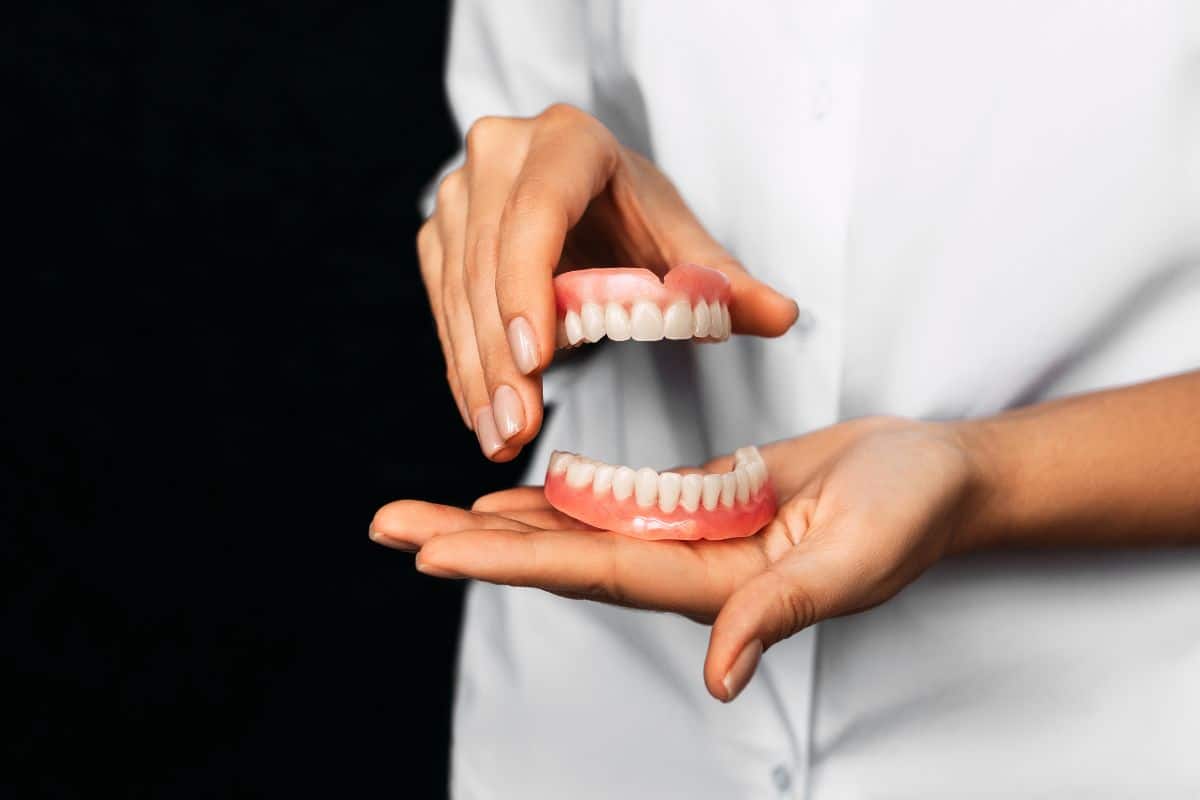
September 17, 2026
How Long Do Dentures Last? Signs to Replace Them

September 14, 2026
What Foods Can You Eat After Dental Implant Surgery?

September 8, 2026
10 Signs You May Need Root Canal Treatment
Categories
Restorative Dentistry (5)
Patients love it here

My husband and I visited Palm Valley Dental, and it was a rewarding experience. Dr. Torres and Dr. Trevino are so patient, knowledgeable and professional. Caleb, the Dental Hygienist is also very thorough and courteous. The office staff are so pleasant and helpful as well.


Adalia De Luna
Literally, the first time ever at dentist, went in terrified, left informed on my dental care/plan, and scheduled my return visit for the in depth cleaning. Overall, great experience, staff & doctor were attentive, professional and very receptive to all my questions and even the nervousness I displayed.

Sandra Palomo
I love this place. Aside from the amazing and comprehensive dental services, customer service and my time are really important to me. It is rare to find everything I care about in one place.

Karla DeWald
Dr. Treviño and staff are wonderful!! Very clean environment. Dr is so good I had a filling adjustment without being numbed up!! If that doesn't tell you how good they are, I don't know what will!!

Issa Garcia
I love this place. Aside from the amazing and comprehensive dental services, customer service and my time are really important to me. It is rare to find everything I care about in one place.
Karla DeWald
After experiencing a few negative experiences at a previous dental practice, I cautiously decided to try this new dental place. I had a wonderful first visit here and felt a great relief after my appointment. Everyone I encountered was so kind and friendly, and all my concerns and questions were addressed. I highly recommend. 😊