
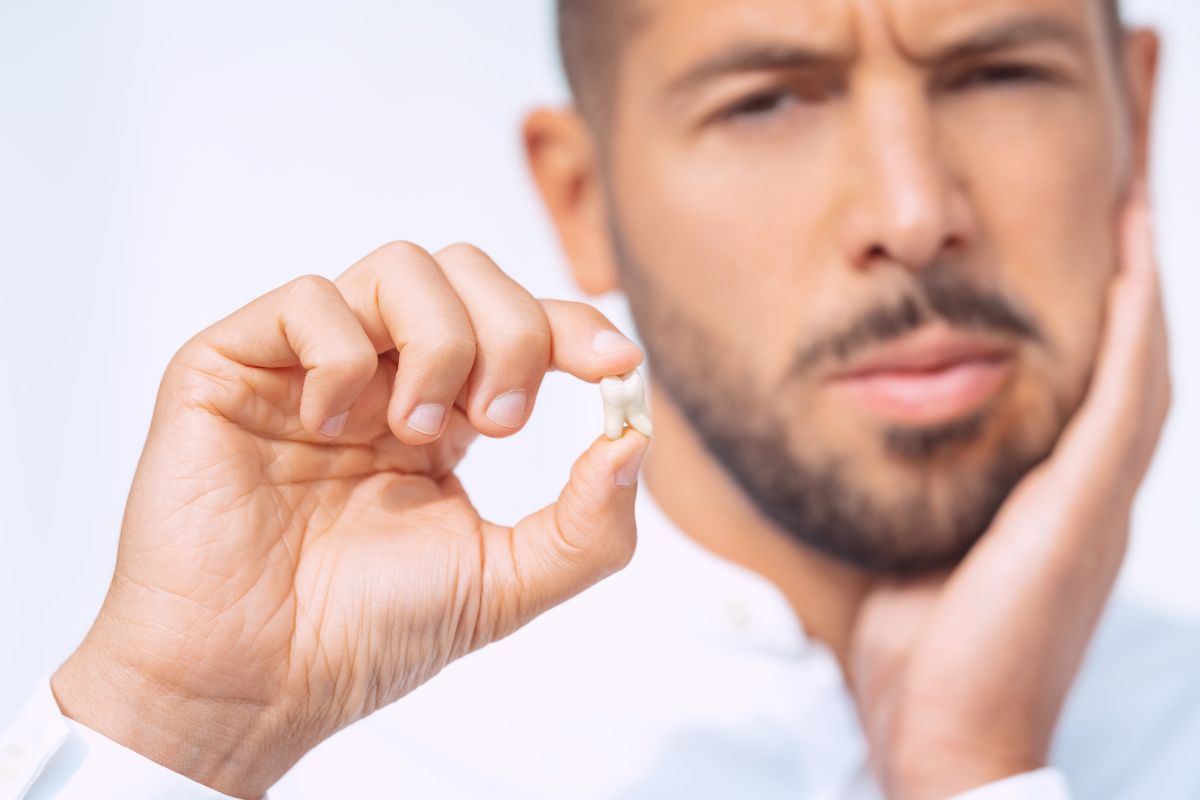
How to Manage Pain After a Tooth Extraction: Tips for a Smooth Recovery
December 2, 2024
Tooth Extractions
Undergoing a tooth extraction can be nerve-wracking, but with the proper care, you can manage pain and enjoy a smooth recovery. Whether it’s a routine procedure or a more complex extraction, managing pain afterward is key to healing and returning to your routine. Here are practical tips to help you stay comfortable and speed up recovery after your tooth extraction.
Follow Your Dentist’s Aftercare Instructions
Your dentist will provide specific aftercare instructions tailored to your extraction. It’s essential to follow these guidelines closely for the best recovery. They may suggest painkillers, ice packs, and specific actions to take in the days following the procedure. Stick to the prescribed timeline for taking medications and avoid skipping doses, as this can help prevent pain from becoming difficult to manage.
Use Ice Packs to Reduce Swelling
Swelling is a standard part of the recovery process after a tooth extraction. Applying an ice pack to the outside of your face can help reduce swelling and numb the area, relieving discomfort. You should apply ice for 15 minutes, followed by 15 minutes without it. This technique can help limit swelling, making you feel more comfortable in the hours and days following the extraction.
Take Pain Relievers as Directed
Over-the-counter pain medications like ibuprofen or acetaminophen can help manage the pain after a tooth extraction. Your dentist may also prescribe more potent painkillers for more severe pain. Be sure to take these medications as directed, and never take more than the recommended dose. If your pain seems unmanageable despite medication, don’t hesitate to call your dentist in Edinburg for advice or possible adjustments to your treatment plan.
Stick to Soft Foods
Eating soft foods during the first few days after a tooth extraction will reduce the risk of irritating the site. Avoid hard, crunchy, or chewy foods that could cause pain or dislodge the blood clot that forms in the socket. Foods like mashed potatoes, yogurt, smoothies, and scrambled eggs are gentle on the area and provide the nutrients you need to heal. Avoiding hot foods and drinks for the first 24 hours is also a good idea, as they can increase swelling and discomfort.
Keep the Extraction Site Clean, But Gently
Maintaining good oral hygiene is essential after a tooth extraction, but you must be extra gentle. Avoid brushing directly on the extraction site for the first few days. Instead, rinse your mouth gently with warm salt water after meals to help keep the area clean and reduce the risk of infection. Be careful not to spit forcefully, as this could dislodge the blood clot and delay healing.
Avoid Smoking and Alcohol
Smoking and drinking alcohol can significantly slow down the healing process after a tooth extraction. Smoking can interfere with blood flow to the extraction site, increasing the risk of dry socket, a painful condition if the blood clot is dislodged. Alcohol can also interfere with healing and interact with prescribed medications, potentially leading to complications, and avoiding these habits for at least 48 hours after your procedure is best.
Elevate Your Head While Sleeping
Keeping your head elevated while sleeping or resting can help reduce swelling and minimize discomfort. Use extra pillows to prop up your head at a 45-degree angle. Sleeping with your head elevated helps prevent blood from pooling in the extraction area, which can contribute to swelling and discomfort. Avoid lying flat for the first few nights following the procedure.
Be Patient: Healing Takes Time
While it’s normal to feel discomfort after a tooth extraction, remember that it will gradually improve. Most people experience the worst pain within the first 24-48 hours. After that, the pain should steadily decrease. It’s important not to rush the healing process and to give your body the time it needs to recover fully. If the pain doesn’t reduce or worsens, you must contact your dentist to rule out complications.
Watch for Signs of Infection
While most extractions heal without issue, infections can occasionally occur. Watch for warning signs such as increased swelling, severe pain, a bad taste in your mouth, or fever. If any of these symptoms appear, reach your dentist immediately. Prompt treatment can help prevent further complications and ensure you heal quickly.
Managing pain after a tooth extraction is a crucial part of the recovery process. By following these tips and taking care of yourself, you’ll be on your way to a full recovery in no time. Remember to book an appointment with your dental office in Edinburg, TX for a follow-up and stay in touch with your dentist if you have any concerns. At Palm Valley Dental, we’re here to help you every step of the way.
Recent Post

October 6, 2026
How to Clean Dentures: A Daily Care Routine

September 25, 2026
Signs of Cavities in Children: What Parents Should Know
September 17, 2026
How Long Do Dentures Last? Signs to Replace Them

September 14, 2026
What Foods Can You Eat After Dental Implant Surgery?

September 8, 2026
10 Signs You May Need Root Canal Treatment
Categories
Tooth Extractions (4)
Patients love it here

My husband and I visited Palm Valley Dental, and it was a rewarding experience. Dr. Torres and Dr. Trevino are so patient, knowledgeable and professional. Caleb, the Dental Hygienist is also very thorough and courteous. The office staff are so pleasant and helpful as well.


Adalia De Luna
Literally, the first time ever at dentist, went in terrified, left informed on my dental care/plan, and scheduled my return visit for the in depth cleaning. Overall, great experience, staff & doctor were attentive, professional and very receptive to all my questions and even the nervousness I displayed.

Sandra Palomo
I love this place. Aside from the amazing and comprehensive dental services, customer service and my time are really important to me. It is rare to find everything I care about in one place.

Karla DeWald
Dr. Treviño and staff are wonderful!! Very clean environment. Dr is so good I had a filling adjustment without being numbed up!! If that doesn't tell you how good they are, I don't know what will!!

Issa Garcia
I love this place. Aside from the amazing and comprehensive dental services, customer service and my time are really important to me. It is rare to find everything I care about in one place.
Karla DeWald
After experiencing a few negative experiences at a previous dental practice, I cautiously decided to try this new dental place. I had a wonderful first visit here and felt a great relief after my appointment. Everyone I encountered was so kind and friendly, and all my concerns and questions were addressed. I highly recommend. 😊