
What is Oil Pulling? Is it an Effective Way to Clean Your Teeth?
May 22, 2024
Dental Care
Oil pulling, an ancient Ayurvedic practice, has recently gained popularity as a natural way to improve oral health. But what exactly is it, and does it live up to the hype? This blog delves into the world of oil pulling, exploring its potential benefits and limitations.
What is Oil Pulling?
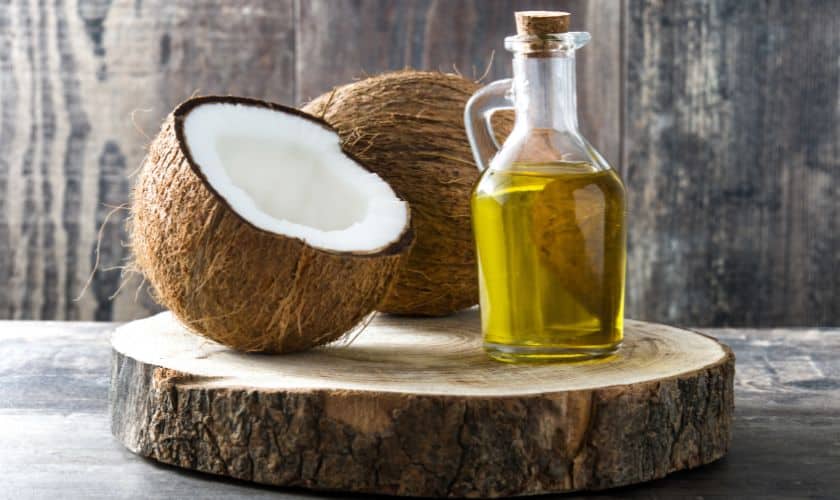
Oil pulling involves swishing a tablespoon of oil around your mouth for 15-20 minutes, then spitting it out. Coconut oil is the most commonly used option, but sesame and olive oil are also popular choices. Proponents claim oil pulling detoxifies the mouth, removes bacteria, and whitens teeth, leading to improved oral health and overall well-being.
The Science Behind Oil Pulling
The scientific evidence supporting the benefits of oil pulling is limited. Some studies suggest that oil pulling may reduce plaque and bad breath, but the results are inconclusive.
One theory suggests that the act of swishing oil may physically remove bacteria and debris from the mouth. Additionally, some oils have natural antimicrobial properties that could contribute to a slight reduction in bacteria.
However, it’s important to understand that oil pulling is not a replacement for regular brushing and flossing. These practices are still essential for removing plaque and food particles from teeth and gums, which oil pulling cannot achieve.
Potential Benefits of Oil Pulling
While the scientific backing is weak, some anecdotal evidence suggests potential benefits of oil pulling:
Reduced Bad Breath: Oil may trap odor-causing bacteria, leading to temporary relief from bad breath.
Improved Gum Health: The act of swishing oil may stimulate blood circulation in the gums, promoting gum health. However, there’s no evidence to suggest it treats gum disease.
Whiter Teeth: Some claim oil pulling whitens teeth. However, the oil doesn’t remove stains, and any whitening effect is likely temporary.
Important Considerations and Risks:
Before incorporating oil pulling into your routine, consider these factors:
Swallowing the Oil: Ingesting the oil can lead to nausea, diarrhea, and lung problems.
Not a Replacement for Dental Care: Oil pulling is not a substitute for regular brushing, flossing, and professional dental cleanings.
Limited Research: More research is necessary to definitively determine the effectiveness and safety of oil pulling.
Who Should Avoid Oil Pulling?
Oil pulling is not recommended for everyone. If you have any of the following conditions, consult your dentist before trying it:
Jaw problems
Temporomandibular joint (TMJ) disorder
Loose teeth or dental implants
Recent oral surgery
The Bottom Line: Oil Pulling or Not?
Oil pulling may offer some minor benefits, but its effectiveness remains uncertain.
Here’s the takeaway:
Oil pulling is not a replacement for proper oral hygiene practices.
If you experience any discomfort or side effects, stop immediately.
Consult your dentist before trying oil pulling if you have any underlying health conditions.
Prioritize Brushing and Flossing
Maintaining a consistent brushing and flossing routine paired with regular dental checkups remains paramount for optimal oral health.
A Final Note
Oil pulling can be a complementary practice, but it shouldn’t replace the fundamentals of good oral hygiene. If you’re curious about incorporating oil pulling, discuss it with your dentist to ensure it’s safe and appropriate for your individual needs.
Call us at Palm Valley Dental before you alter your dental routine based on the advice of a social media influencer.
Recent Post

October 6, 2026
How to Clean Dentures: A Daily Care Routine

September 25, 2026
Signs of Cavities in Children: What Parents Should Know
September 17, 2026
How Long Do Dentures Last? Signs to Replace Them

September 14, 2026
What Foods Can You Eat After Dental Implant Surgery?

September 8, 2026
10 Signs You May Need Root Canal Treatment
Categories
Dental Care (36)
Patients love it here

My husband and I visited Palm Valley Dental, and it was a rewarding experience. Dr. Torres and Dr. Trevino are so patient, knowledgeable and professional. Caleb, the Dental Hygienist is also very thorough and courteous. The office staff are so pleasant and helpful as well.


Adalia De Luna
Literally, the first time ever at dentist, went in terrified, left informed on my dental care/plan, and scheduled my return visit for the in depth cleaning. Overall, great experience, staff & doctor were attentive, professional and very receptive to all my questions and even the nervousness I displayed.

Sandra Palomo
I love this place. Aside from the amazing and comprehensive dental services, customer service and my time are really important to me. It is rare to find everything I care about in one place.

Karla DeWald
Dr. Treviño and staff are wonderful!! Very clean environment. Dr is so good I had a filling adjustment without being numbed up!! If that doesn't tell you how good they are, I don't know what will!!

Issa Garcia
I love this place. Aside from the amazing and comprehensive dental services, customer service and my time are really important to me. It is rare to find everything I care about in one place.
Karla DeWald
After experiencing a few negative experiences at a previous dental practice, I cautiously decided to try this new dental place. I had a wonderful first visit here and felt a great relief after my appointment. Everyone I encountered was so kind and friendly, and all my concerns and questions were addressed. I highly recommend. 😊