

What to Expect During and After a Sedation Dentistry Procedure?
July 24, 2024
Sedation Dentistry
For people who feel anxious or afraid when they see the dentist, sedation dentistry provides a stress-free option. Whether you’re preparing for a complex procedure or simply seeking a more relaxed experience, understanding what to expect during and after sedation dentistry can help alleviate concerns and ensure a smooth process. This guide provides a comprehensive overview of sedation dentistry, covering everything from pre-procedure preparations to post-procedure care.
Types of Sedation Dentistry:
Before delving into the procedure itself, it’s important to understand the different types of sedation available:
Nitrous Oxide (Laughing Gas): This mild sedative is inhaled through a mask and helps patients relax while remaining conscious.
Oral Sedation: Oral sedation, when taken as pills, can be mild to moderate, depending on the dosage.
IV Sedation: Delivered directly into the bloodstream, IV sedation offers a deeper level of relaxation while keeping the patient awake but less aware of the procedure.
General Anesthesia: Used for more complex procedures, general anesthesia renders the patient completely unconscious.
Preparing for Your Sedation Dentistry Procedure:
Preparation for sedation dentistry varies based on the type of sedation you will receive:
Consultation: A thorough consultation with your dentist will determine the most suitable type of sedation. During this consultation, discuss your medical history, current medications, and any allergies.
Pre-Procedure Instructions: Your dentist will provide specific instructions. For example, if you’re scheduled for IV sedation or general anesthesia, you may be advised not to eat or drink for several hours before the procedure.
Transportation: Arrange for a friend or family member to drive you home, especially if you’re receiving oral sedation, IV sedation, or general anesthesia.
During the Sedation Dentistry Procedure:
Here’s what you can expect during the procedure based on the type of sedation:
Nitrous Oxide: You will inhale the gas through a mask placed over your nose. Within minutes, you’ll feel relaxed. The dentist can adjust the level of sedation as needed throughout the procedure.
Oral Sedation: You’ll take the prescribed medication about an hour before the procedure. Though sleepy, you’ll still be awake and able to respond.
IV Sedation: A needle will be inserted into a vein, typically in your arm or hand. The sedative will take effect quickly, and you’ll feel deeply relaxed. Although you’ll be awake, you may not remember much of the procedure.
General Anesthesia: Administered by an anesthesiologist, this method will render you completely unconscious. You won’t feel or remember anything from the procedure.
Post-Procedure Care and Recovery:
Recovery varies depending on the type of sedation used:
Nitrous Oxide: Recovery is quick, and you’ll be able to drive yourself home and resume normal activities almost immediately.
Oral Sedation: You’ll feel groggy for a few hours post-procedure. Rest is crucial, and you should avoid operating heavy machinery or making important decisions for the rest of the day.
IV Sedation: Similar to oral sedation, expect to feel drowsy for several hours. Have someone stay with you until the effects wear off completely.
General Anesthesia: Recovery can take a bit longer. You’ll need someone to drive you home and stay with you for the first 24 hours as the effects of the anesthesia wear off.
Managing Side Effects and Aftercare:
Common side effects of sedation dentistry include drowsiness, dry mouth, and minor nausea. Here are some tips to manage these side effects and ensure a smooth recovery:
Stay Hydrated: Drink plenty of water to alleviate dry mouth and help flush the sedative from your system.
Rest: Give your body time to recover by taking it easy for the rest of the day.
Follow Your Dentist’s Instructions: Adhere to any specific post-procedure care instructions provided by your dentist to promote healing and prevent complications.
When to Contact Your Dentist in Edinburg:
While sedation dentistry is generally safe, it’s important to monitor your recovery and contact your dentist in Edinburg if you experience any of the following:
- Persistent nausea or vomiting
- Severe pain or swelling
- Unusual reactions or side effects
- Any concerns about your recovery process
Conclusion:
Sedation dentistry is an excellent option for patients seeking a more comfortable and anxiety-free dental experience. By understanding what to expect before, during, and after the procedure, you can approach your appointment with confidence and peace of mind. Always follow your dentist’s instructions and communicate any concerns to ensure the best possible outcome for your dental health.
Recent Post

October 6, 2026
How to Clean Dentures: A Daily Care Routine

September 25, 2026
Signs of Cavities in Children: What Parents Should Know
September 17, 2026
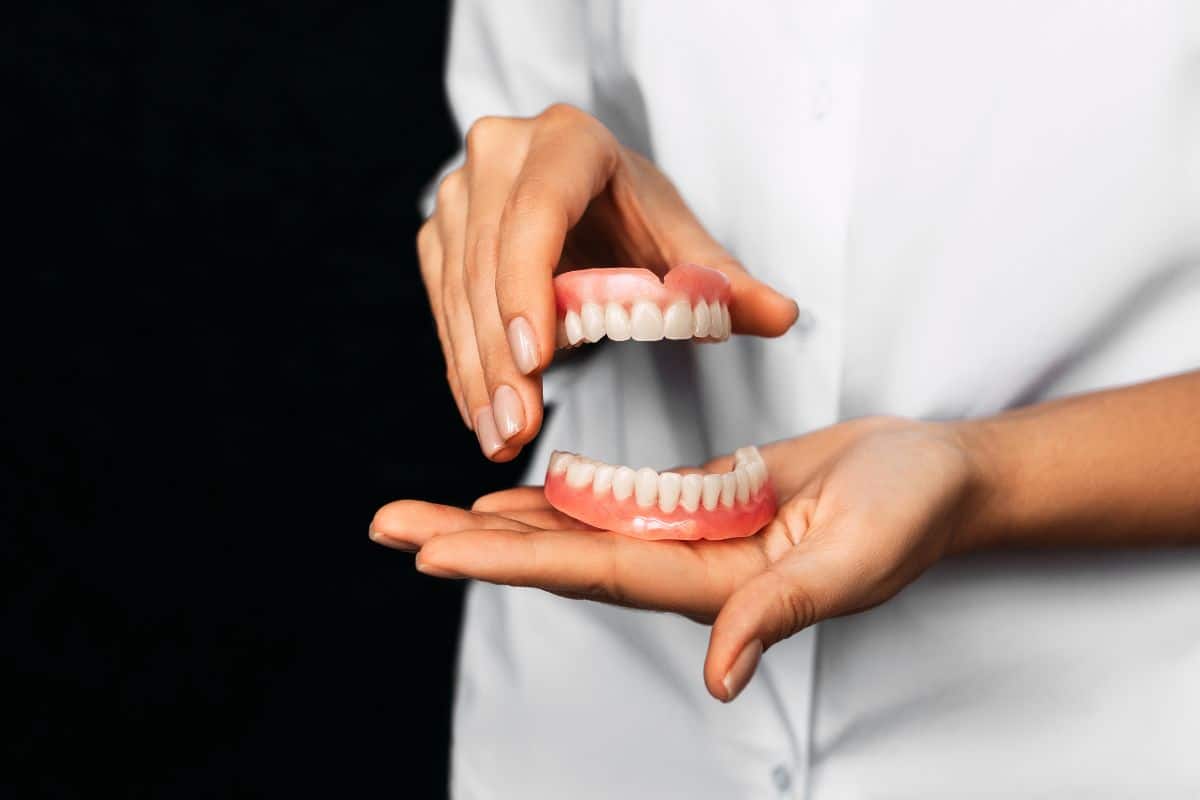
How Long Do Dentures Last? Signs to Replace Them

September 14, 2026
What Foods Can You Eat After Dental Implant Surgery?

September 8, 2026
10 Signs You May Need Root Canal Treatment
Categories
Sedation Dentistry (1)
Patients love it here

My husband and I visited Palm Valley Dental, and it was a rewarding experience. Dr. Torres and Dr. Trevino are so patient, knowledgeable and professional. Caleb, the Dental Hygienist is also very thorough and courteous. The office staff are so pleasant and helpful as well.


Adalia De Luna
Literally, the first time ever at dentist, went in terrified, left informed on my dental care/plan, and scheduled my return visit for the in depth cleaning. Overall, great experience, staff & doctor were attentive, professional and very receptive to all my questions and even the nervousness I displayed.

Sandra Palomo
I love this place. Aside from the amazing and comprehensive dental services, customer service and my time are really important to me. It is rare to find everything I care about in one place.

Karla DeWald
Dr. Treviño and staff are wonderful!! Very clean environment. Dr is so good I had a filling adjustment without being numbed up!! If that doesn't tell you how good they are, I don't know what will!!

Issa Garcia
I love this place. Aside from the amazing and comprehensive dental services, customer service and my time are really important to me. It is rare to find everything I care about in one place.
Karla DeWald
After experiencing a few negative experiences at a previous dental practice, I cautiously decided to try this new dental place. I had a wonderful first visit here and felt a great relief after my appointment. Everyone I encountered was so kind and friendly, and all my concerns and questions were addressed. I highly recommend. 😊