
5 Signs You Might Need a Dental Crown: When to See Your Dentist
November 5, 2024
Dental Crowns
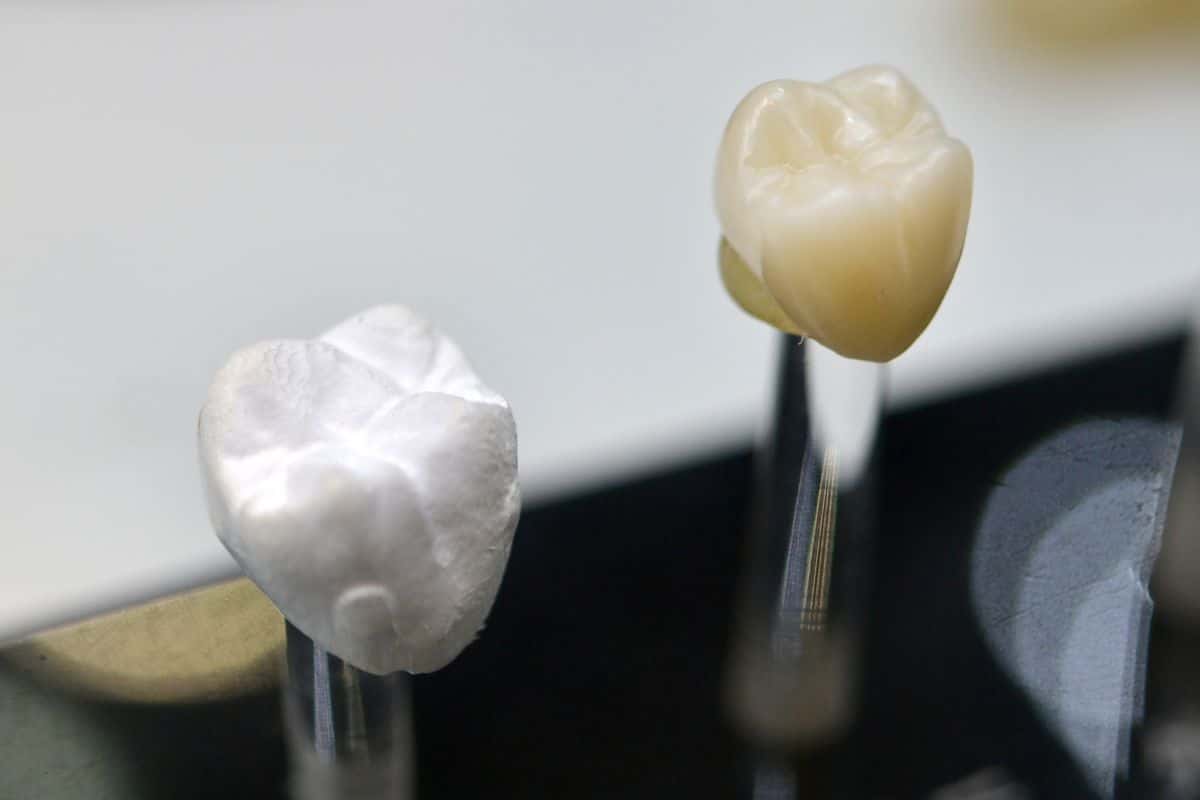
Dental crowns are one of the most common restorative treatments dentists recommend to help preserve a tooth’s structure, strength, and appearance. A crown fits over a damaged or weakened tooth, offering protection and restoring its functionality. But how do you know when to see your dentist and consider a dental crown? Here are five signs that you may need one.
When You Might Need a Dental Crown: Common Signs and Symptoms:
Your Tooth Is Severely Cracked or Chipped
Teeth can crack or chip for various reasons, such as accidental trauma, chewing on complex objects, or even long-term wear and tear. A small crack or chip may seem harmless but can worsen over time, significantly if it exposes the tooth’s pulp (the soft tissue inside). A dental crown may be necessary to restore the tooth’s shape and prevent further injury if the damage is extensive.
Sometimes, a cracked tooth might not be visible to the naked eye, but if you notice any discomfort when biting or chewing, you must visit your dentist for an evaluation. A dental crown will protect the tooth from further damage and keep it functional.
You Experience Persistent Tooth Sensitivity
While occasional tooth sensitivity to hot or cold foods and drinks is regular, consistent discomfort can be a warning sign of an underlying issue. Sensitivity could indicate that your tooth’s enamel has worn down or may result from a crack, cavity, or other dental problem that’s reached the inner part of the tooth.
If you’re experiencing prolonged sensitivity, especially if it doesn’t subside after a few days, it’s a good idea to consult your dentist. A dental crown can protect against extreme temperatures and alleviate pain by shielding the tooth from external stimuli.
You Have Large Cavities or Fillings That Have Worn Out
If you’ve had a cavity, your dentist may have filled it with dental material such as amalgam, composite resin, or gold. Over time, however, fillings can wear down, crack, or even fall out entirely. If a filling becomes damaged or lost, the tooth may be vulnerable to further decay, and a crown is often the best solution to restore the tooth’s integrity.
A crown can provide a durable replacement for fillings, significantly when a significant portion of the tooth structure has been compromised. It will also help prevent the cavity from spreading and protect the tooth from future damage.
Your Tooth Is Severely Worn Down
Habits like grinding your teeth at night (bruxism), clenching your jaw, or chewing on non-food objects can lead to considerable wear and tear on your teeth. Over time, this wear can weaken the tooth structure, making it more susceptible to fractures or decay.
If your teeth appear shorter than usual or your enamel looks thinner, you must talk to your dentist. A damaged tooth may need a dental crown to restore both its appearance and function. The crown will protect the tooth from further damage and ensure your bite remains stable.
Your Tooth Is Root Canal Treated
A root canal is a procedure that involves removing the infected pulp from inside a tooth to save it from extraction. Although the procedure can preserve your tooth, it may make it more fragile. After a root canal, your tooth becomes more prone to breaking or fracturing because the pulp, which nourishes the tooth, is no longer intact.
A dental crown is often recommended after a root canal to reinforce the tooth and restore its strength. A crown will ensure the tooth functions properly and protect it from further damage, keeping your smile intact for years to come.
When to See Your Dentist in Edinburg:
If you notice any of the signs listed above, it’s crucial to schedule a dental exam. Your dentist in Edinburg will assess the condition of your teeth and determine whether a dental crown is the right solution. Sometimes, delaying treatment may lead to further damage or complications, resulting in more invasive procedures or tooth loss.
Dental crowns are designed to last many years, but maintaining good oral hygiene is vital to prolonging their lifespan. Be sure to brush and floss regularly and visit your dentist for routine checkups to keep your crown and surrounding teeth healthy.
Dental crowns are a reliable way to protect and restore teeth that are damaged or weakened. Whether your tooth is cracked, sensitive, or has a large cavity, a crown can help prevent further damage and restore your smile’s functionality. If you notice any of these signs, schedule an appointment with your dentist to explore your options and see if a dental crown is right for you. By acting early, you can protect your teeth and maintain a healthy, beautiful smile.
Recent Post

October 6, 2026
How to Clean Dentures: A Daily Care Routine

September 25, 2026
Signs of Cavities in Children: What Parents Should Know
September 17, 2026
How Long Do Dentures Last? Signs to Replace Them

September 14, 2026
What Foods Can You Eat After Dental Implant Surgery?

September 8, 2026
10 Signs You May Need Root Canal Treatment
Categories
Dental Crowns (18)
Patients love it here

My husband and I visited Palm Valley Dental, and it was a rewarding experience. Dr. Torres and Dr. Trevino are so patient, knowledgeable and professional. Caleb, the Dental Hygienist is also very thorough and courteous. The office staff are so pleasant and helpful as well.


Adalia De Luna
Literally, the first time ever at dentist, went in terrified, left informed on my dental care/plan, and scheduled my return visit for the in depth cleaning. Overall, great experience, staff & doctor were attentive, professional and very receptive to all my questions and even the nervousness I displayed.

Sandra Palomo
I love this place. Aside from the amazing and comprehensive dental services, customer service and my time are really important to me. It is rare to find everything I care about in one place.

Karla DeWald
Dr. Treviño and staff are wonderful!! Very clean environment. Dr is so good I had a filling adjustment without being numbed up!! If that doesn't tell you how good they are, I don't know what will!!

Issa Garcia
I love this place. Aside from the amazing and comprehensive dental services, customer service and my time are really important to me. It is rare to find everything I care about in one place.
Karla DeWald
After experiencing a few negative experiences at a previous dental practice, I cautiously decided to try this new dental place. I had a wonderful first visit here and felt a great relief after my appointment. Everyone I encountered was so kind and friendly, and all my concerns and questions were addressed. I highly recommend. 😊