
Pregnancy and Severe Toothache: When to Seek Emergency Dental Care
November 10, 2025
Emergency Dental Care
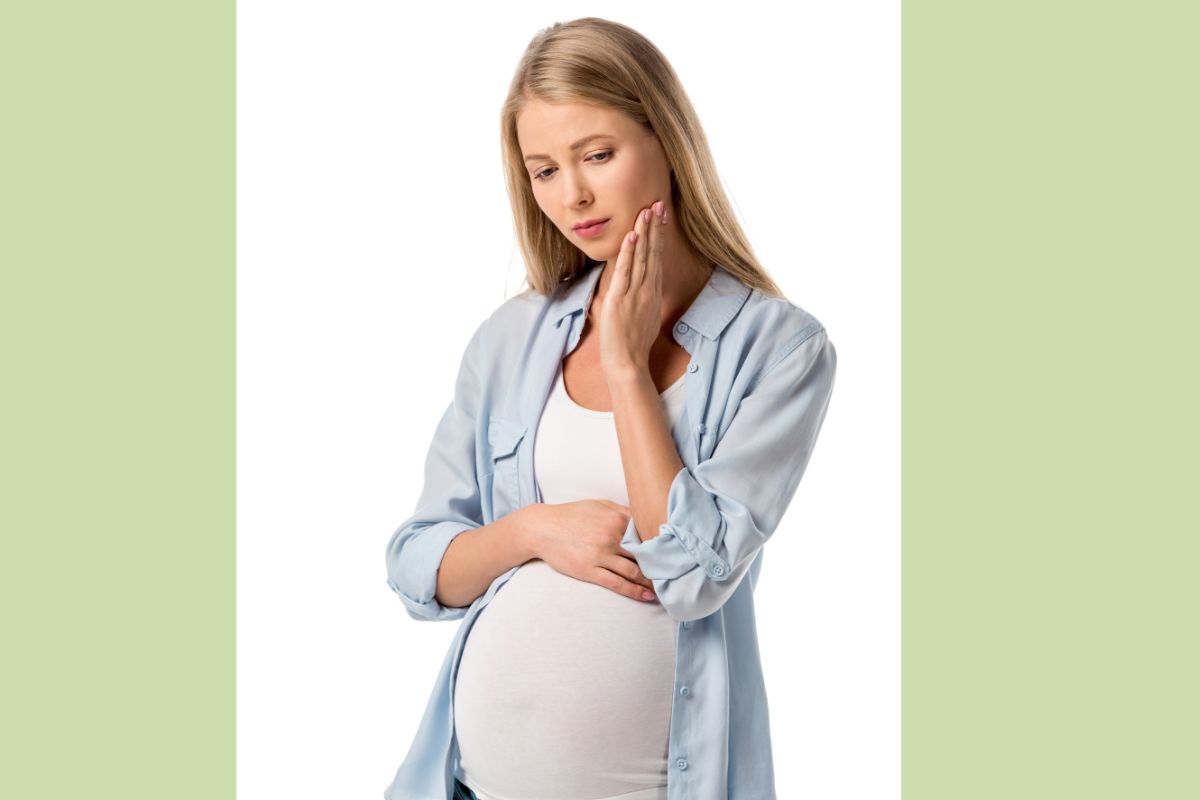
Pregnancy brings a lot of joyful moments—but a severe toothache isn’t one of them. If you’re expecting and suddenly dealing with intense dental pain, it can be scary and overwhelming. Ignoring the symptoms can exacerbate the situation, especially when your health and your baby’s health are at stake. Understanding when a toothache becomes a dental emergency can help you act quickly and confidently.
Why Pregnancy Makes You More Vulnerable to Tooth Pain
Pregnant women often experience oral health changes because of hormonal fluctuations. Increased levels of estrogen and progesterone can make gums more sensitive, swollen, and prone to bleeding. These changes not only cause discomfort but can also worsen any underlying dental problems.
You may also be snacking more frequently, experiencing morning sickness, or dealing with changes in saliva production—all of which can raise your risk of cavities and gum issues. That’s why even a minor toothache during pregnancy can turn into a bigger problem if you don’t address it early.
When a Toothache Is a True Dental Emergency
Not all toothaches require urgent treatment, but specific symptoms mean you need emergency dental care right away.
1. Severe or Throbbing Pain
If the pain persists for longer than 24–48 hours or becomes unbearable, it may indicate an infection or an abscess. Delaying treatment can cause the disease to spread.
2. Facial or Gum Swelling
Swelling around your tooth, gums, or jaw is a clear warning sign of a severe infection that needs immediate attention.
3. Fever or Chills
Fever combined with a toothache often signals a spreading infection. This situation requires urgent evaluation.
4. Pus, Bad Taste, or Persistent Bad Breath
These symptoms may mean there’s an abscess—a pocket of infection that must be treated right away to protect your health.
5. A Cracked or Injured Tooth
Any dental trauma during pregnancy should be assessed promptly, as cracks allow bacteria to penetrate deeper into the tooth.
Untreated dental infections can affect your overall health and, in severe cases, may increase the risk of complications such as preterm labor. Always prioritize dental emergencies when expecting.
Safe Emergency Dental Treatments During Pregnancy
Many pregnant women worry about the safety of various treatments. The good news is that most dental emergency procedures are safe during pregnancy, provided proper precautions are taken.
X-Rays
Dental X-rays are safe when necessary, thanks to protective lead shields that shield your abdomen. X-rays help your dentist accurately diagnose issues, allowing them to treat you promptly.
Local Anesthesia
Local anesthesia is considered safe and effective. It helps manage pain during procedures like fillings, extractions, or infection treatment.
Medications
Acetaminophen is generally considered safe for pain relief during pregnancy. However, avoid ibuprofen or aspirin unless your healthcare provider approves it. If you need antibiotics for an infection, your dentist can prescribe pregnancy-safe options.
Home Remedies for Short-Term Relief
While home remedies won’t solve the root problem, they can help you stay comfortable until you see a dentist.
- Rinse with warm saltwater
- Apply a cold compress to the outside of your cheek
- Keep your head elevated while sleeping
- Avoid sugary foods or extremely hot and cold drinks
Never apply aspirin directly to your gums—it can cause burns.
How to Prevent Dental Emergencies During Pregnancy
Prevention plays a considerable role in protecting your smile during pregnancy.
- Maintain regular dental checkups, ideally once per trimester
- Brush twice daily using fluoride toothpaste
- Eat balanced, pregnancy-friendly snacks
- Rinse your mouth after morning sickness episodes
- Let your dentist know which trimester you’re in
These small steps can reduce your risk of sudden dental pain and emergencies.
When You Should Call an Emergency Dentist
Call an emergency dentist immediately if you experience:
- Severe or throbbing tooth pain
- Swelling around the face or gums
- Fever linked with dental discomfort
- A cracked, broken, or knocked-out tooth
- Signs of infection, such as pus or persistent bad taste
It’s always better to get checked early—especially during pregnancy.
Need Relief Quickly? Your Edinburg Emergency Dentist Is Ready
A severe toothache during pregnancy is never something you should try to push through. Fast action protects both your comfort and your baby’s well-being. If the pain feels intense, your face is swollen, or you’re noticing signs of infection, getting emergency care right away is the safest choice.
If you live in Texas—especially near Edinburg or the surrounding Rio Grande Valley—you deserve a dental team that understands your needs during pregnancy and can treat you quickly and safely. Please don’t wait and hope the pain goes away on its own.
For trusted emergency dental care, schedule your visit with Palm Valley Dental today and get the relief you need to feel like yourself again.
Recent Post

October 12, 2026
Do Your Dental Fillings Really Last 10 Years? What Determines Longevity

October 6, 2026
How to Clean Dentures: A Daily Care Routine
September 25, 2026
Signs of Cavities in Children: What Parents Should Know
September 17, 2026
How Long Do Dentures Last? Signs to Replace Them

September 14, 2026
What Foods Can You Eat After Dental Implant Surgery?
Categories
Emergency Dental Care (22)
Patients love it here

My husband and I visited Palm Valley Dental, and it was a rewarding experience. Dr. Torres and Dr. Trevino are so patient, knowledgeable and professional. Caleb, the Dental Hygienist is also very thorough and courteous. The office staff are so pleasant and helpful as well.


Adalia De Luna
Literally, the first time ever at dentist, went in terrified, left informed on my dental care/plan, and scheduled my return visit for the in depth cleaning. Overall, great experience, staff & doctor were attentive, professional and very receptive to all my questions and even the nervousness I displayed.

Sandra Palomo
I love this place. Aside from the amazing and comprehensive dental services, customer service and my time are really important to me. It is rare to find everything I care about in one place.

Karla DeWald
Dr. Treviño and staff are wonderful!! Very clean environment. Dr is so good I had a filling adjustment without being numbed up!! If that doesn't tell you how good they are, I don't know what will!!

Issa Garcia
I love this place. Aside from the amazing and comprehensive dental services, customer service and my time are really important to me. It is rare to find everything I care about in one place.
Karla DeWald
After experiencing a few negative experiences at a previous dental practice, I cautiously decided to try this new dental place. I had a wonderful first visit here and felt a great relief after my appointment. Everyone I encountered was so kind and friendly, and all my concerns and questions were addressed. I highly recommend. 😊