

What Happens If You Skip a Dental Cleaning? A Month-by-Month Breakdown
July 28, 2025
Dental Health
Most people know they should see the dentist every six months for a cleaning, but what happens if you skip that appointment? While it might not seem urgent initially, neglecting professional dental cleanings can quickly lead to serious oral health issues. Let’s break it down month by month so you can see what’s really at stake.
Months 1–3: Plaque and Tartar Build-Up
By the end of month one, plaque—a sticky film of bacteria—starts to harden into tartar, especially in hard-to-reach areas. While brushing and flossing help, they can’t remove hardened tartar. This buildup irritates your gums, increases your risk of bad breath, and starts to erode enamel.
During months two and three, the irritation progresses. You might notice your gums bleeding slightly when you brush. That’s often the first sign of gingivitis—an early stage of gum disease. The good news? It’s still reversible at this point with professional intervention.
Months 4–6: Early Gum Disease Sets In
Without intervention, gingivitis often turns into periodontitis, which is when things get more serious. Gums pull away from the teeth, forming pockets that trap more bacteria. At this stage, only visiting the best dentist for routine cleanings can stop the progression.
The damage is no longer just cosmetic—it’s structural. You may experience tooth sensitivity, gum tenderness, or mild pain while chewing. And those pockets of bacteria? They’re silently attacking the bone beneath your gums.
Months 7–9: Bone Loss and Tooth Mobility
By month seven, inflammation spreads deeper below the gum line. Your body’s immune system fights the infection, which often leads to bone loss. Without healthy bone and gum tissue support, your teeth may feel slightly loose.
This period is also when many patients start noticing significant changes: their teeth look longer due to gum recession, their bite feels different, and chewing becomes uncomfortable. Bacteria can also enter your bloodstream, increasing your risk of other systemic conditions like heart disease or diabetes.
Months 10–12: Advanced Periodontal Disease
At this stage, advanced periodontal disease is in full swing. Bone loss continues, and tooth loss becomes a real possibility. Chronic inflammation can lead to serious infections, requiring deep cleanings, surgery, or even extractions.
Your oral health is at risk, and your overall health also takes a hit. Studies from the CDC show a strong connection between gum disease and chronic health conditions like cardiovascular disease, stroke, and respiratory infections.
Why Preventive Care Matters
Regular dental cleanings are about more than just a bright smile. They prevent gum disease, tooth loss, and expensive treatments down the road. Skipping a cleaning may seem harmless, but as this timeline shows, the consequences worsen over time.
Preventive care isn’t just competent—it’s essential. Your dentist can catch issues early, before they become painful or costly. That’s why staying on schedule with cleanings can save you time, money, and your smile.
Book Your Edinburg Dentist Appointment Today
If it’s been more than six months since your last cleaning, don’t wait for symptoms to appear. Schedule your visit now to take the proactive step toward better oral and overall health. At Palm Valley Dental in Edinburg, we help you protect your smile with expert care and modern technology.
Schedule your dentist appointment today and let our experienced team guide you back to a healthier smile—before minor issues become big.
Recent Post

October 6, 2026
How to Clean Dentures: A Daily Care Routine

September 25, 2026
Signs of Cavities in Children: What Parents Should Know
September 17, 2026
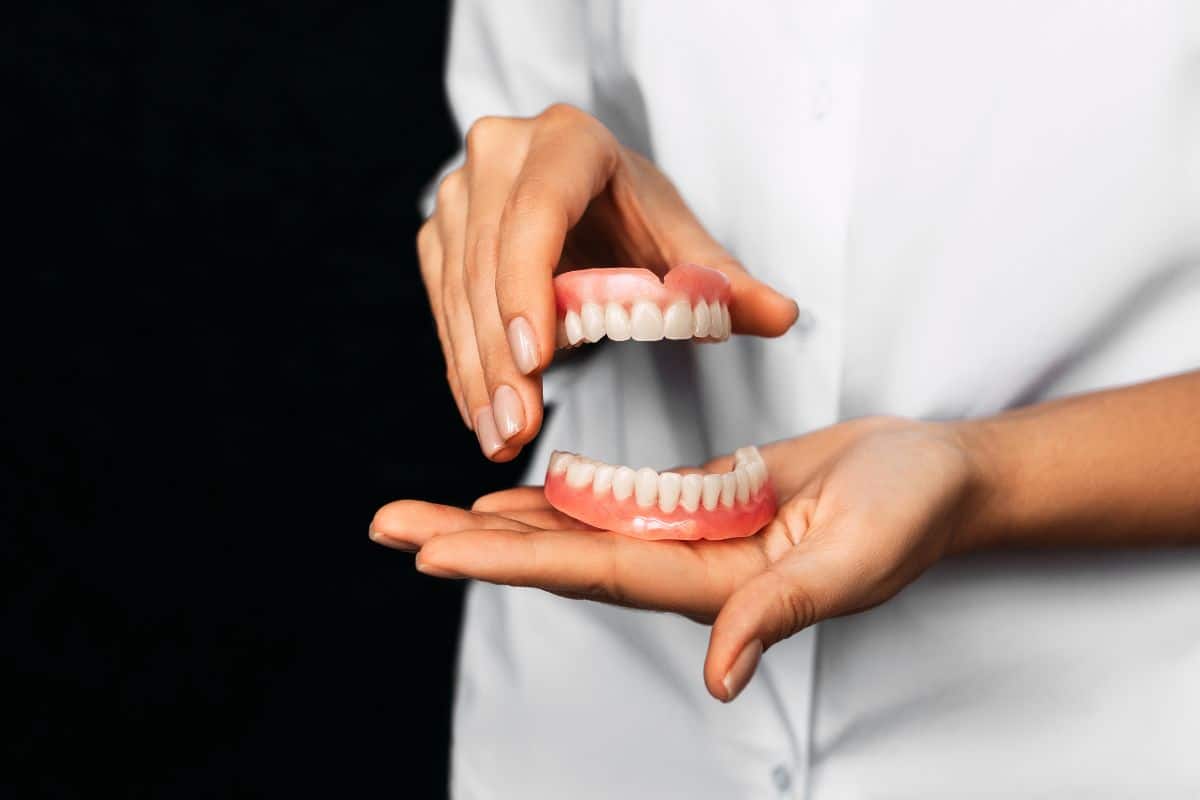
How Long Do Dentures Last? Signs to Replace Them

September 14, 2026
What Foods Can You Eat After Dental Implant Surgery?

September 8, 2026
10 Signs You May Need Root Canal Treatment
Categories
Dental Health (32)
Patients love it here

My husband and I visited Palm Valley Dental, and it was a rewarding experience. Dr. Torres and Dr. Trevino are so patient, knowledgeable and professional. Caleb, the Dental Hygienist is also very thorough and courteous. The office staff are so pleasant and helpful as well.


Adalia De Luna
Literally, the first time ever at dentist, went in terrified, left informed on my dental care/plan, and scheduled my return visit for the in depth cleaning. Overall, great experience, staff & doctor were attentive, professional and very receptive to all my questions and even the nervousness I displayed.

Sandra Palomo
I love this place. Aside from the amazing and comprehensive dental services, customer service and my time are really important to me. It is rare to find everything I care about in one place.

Karla DeWald
Dr. Treviño and staff are wonderful!! Very clean environment. Dr is so good I had a filling adjustment without being numbed up!! If that doesn't tell you how good they are, I don't know what will!!

Issa Garcia
I love this place. Aside from the amazing and comprehensive dental services, customer service and my time are really important to me. It is rare to find everything I care about in one place.
Karla DeWald
After experiencing a few negative experiences at a previous dental practice, I cautiously decided to try this new dental place. I had a wonderful first visit here and felt a great relief after my appointment. Everyone I encountered was so kind and friendly, and all my concerns and questions were addressed. I highly recommend. 😊