

Why Running Hurts Your Teeth?
May 14, 2025
Dental Health
Experiencing tooth discomfort during a run can be bothersome. If you’ve ever felt your teeth ache while jogging or sprinting, know you’re not alone. Many runners report this peculiar discomfort, which often goes unaddressed. Let’s examine the potential reasons behind tooth pain during running, its implications for your dental well-being, and strategies to prevent its recurrence.
The Impact of Cold Air and Breathing Habits
During physical exertion, such as running, breathing intensifies, frequently occurring through the mouth. This action directs cold, dry air over your teeth. Sensitive teeth are responsive to temperature variations, and this cold air can induce discomfort or pain, particularly if your tooth enamel has thinned or your gums have receded.
Open-mouth breathing also leads to oral dryness. Saliva is crucial for safeguarding your teeth against decay and sensitivity. A dry oral environment fosters conditions conducive to irritation and inflammation.
It’s essential not to disregard any pain experienced in one or multiple teeth while exercising outdoors. A prompt consultation with your dentist can identify the underlying cause before it escalates.
Clenching Your Jaw While Running
Many runners unconsciously clench their jaws. Over time, this sustained tension can result in toothaches, jaw discomfort, and even dental fractures. The force exerted during clenching, especially high-intensity runs, places significant pressure on the teeth and surrounding musculature.
If you have a history of teeth grinding (bruxism) or temporomandibular joint (TMJ) issues, running may exacerbate the pain. Consciously try to monitor your posture and maintain a relaxed jaw while running. Some runners find relief by using a custom-fitted mouthguard to alleviate stress on their teeth.
Sinus Pressure and Tooth Pain
Another potential factor is sinus pressure. Running boosts blood flow and ramps up physical activity, which can cause pressure to build in your sinuses. Because your upper teeth sit close to the sinus cavities, this pressure often feels like a toothache. This is particularly common during allergy seasons or when recovering from a cold.
If pain in your upper molars occurs solely during or after a run, sinus congestion might be the cause, rather than a dental problem. Nevertheless, it is advisable to consult with your dentist to rule out cavities or other dental issues.
Dehydration and Its Effects on Oral Health
Running induces sweating, which can lead to dehydration. When your mouth dries out, it produces less saliva. Insufficient saliva allows bacteria to proliferate more rapidly, increasing the vulnerability of your enamel.
While popular among runners, sports drinks can also elevate the risk of tooth sensitivity. Many of these beverages contain acids and sugars that can erode tooth enamel. Switch to water or drink electrolyte beverages through a straw to reduce their contact with your teeth.
Tips to Prevent Tooth Pain While Running
✅Practice nasal breathing to limit the exposure of cold air to your teeth.
✅Drink plenty of water before, during, and after your runs to stay hydrated.
✅Try wearing a mouthguard if you clench your jaw during runs.
✅Avoid sugary or acidic beverages during your workouts.
✅Schedule regular dental check-ups to address sensitivity, enamel loss, or other concerns.
Your teeth should not be a source of pain when engaging in a healthy activity like running. If you experience discomfort, it’s essential to take proactive steps.
Take charge of your dental health and enjoy every run without pain—book an appointment with your local dental professional today.
Recent Post

October 6, 2026
How to Clean Dentures: A Daily Care Routine

September 25, 2026
Signs of Cavities in Children: What Parents Should Know
September 17, 2026
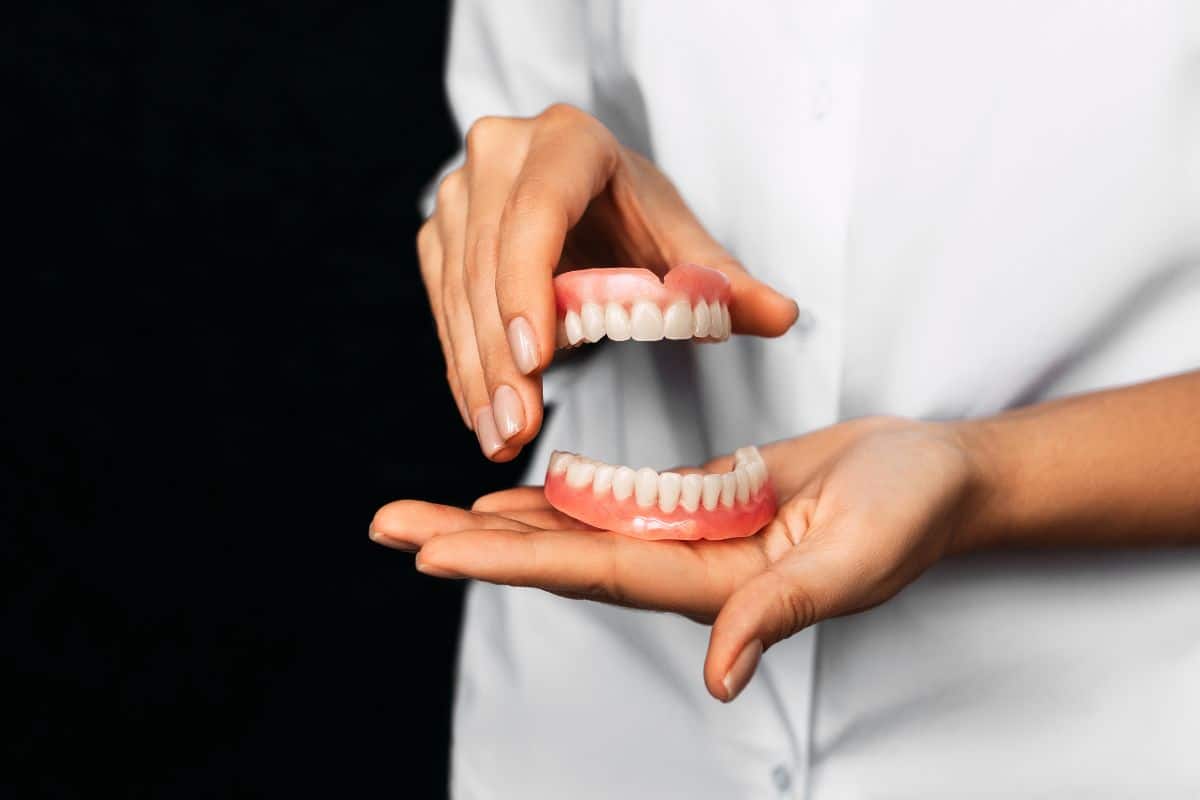
How Long Do Dentures Last? Signs to Replace Them

September 14, 2026
What Foods Can You Eat After Dental Implant Surgery?

September 8, 2026
10 Signs You May Need Root Canal Treatment
Categories
Dental Health (32)
Patients love it here

My husband and I visited Palm Valley Dental, and it was a rewarding experience. Dr. Torres and Dr. Trevino are so patient, knowledgeable and professional. Caleb, the Dental Hygienist is also very thorough and courteous. The office staff are so pleasant and helpful as well.


Adalia De Luna
Literally, the first time ever at dentist, went in terrified, left informed on my dental care/plan, and scheduled my return visit for the in depth cleaning. Overall, great experience, staff & doctor were attentive, professional and very receptive to all my questions and even the nervousness I displayed.

Sandra Palomo
I love this place. Aside from the amazing and comprehensive dental services, customer service and my time are really important to me. It is rare to find everything I care about in one place.

Karla DeWald
Dr. Treviño and staff are wonderful!! Very clean environment. Dr is so good I had a filling adjustment without being numbed up!! If that doesn't tell you how good they are, I don't know what will!!

Issa Garcia
I love this place. Aside from the amazing and comprehensive dental services, customer service and my time are really important to me. It is rare to find everything I care about in one place.
Karla DeWald
After experiencing a few negative experiences at a previous dental practice, I cautiously decided to try this new dental place. I had a wonderful first visit here and felt a great relief after my appointment. Everyone I encountered was so kind and friendly, and all my concerns and questions were addressed. I highly recommend. 😊