
How Long Does Tooth Extraction Recovery Take?
July 18, 2024
Tooth Extractions
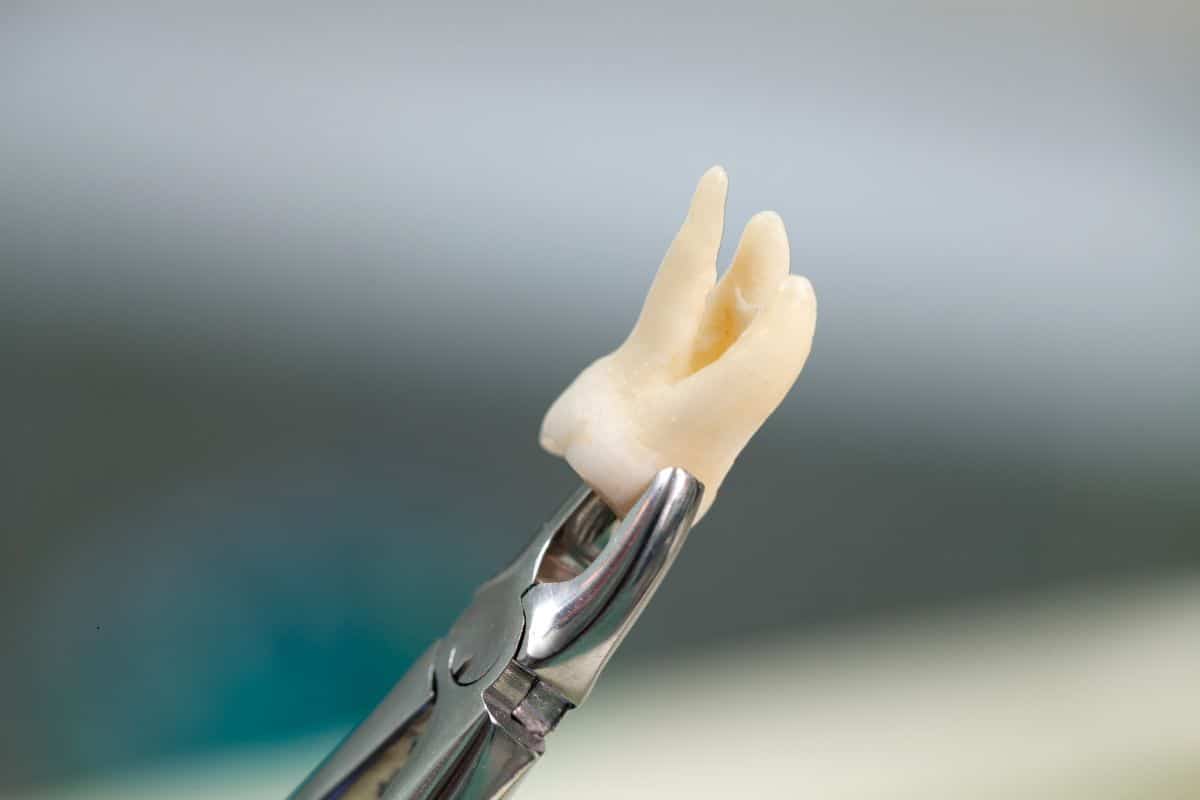
Tooth extractions are a common dental procedure, but the recovery time can be a concern for many patients. While most people feel back to normal within a few days, the healing process can take several weeks. This blog will explore the factors affecting recovery time and provide helpful tips for a smooth post-extraction experience.
Understanding Recovery Phases
The healing process after tooth extraction can be broken down into three phases:
-
Formation of the Blood Clot (1-2 days): Immediately following the extraction, a blood clot forms in the socket, which is crucial for healing. It’s essential not to dislodge the clot by smoking, rinsing vigorously, or using a straw during this time.
-
Inflammation and Granulation Tissue (3-10 days): The area around the socket will likely experience inflammation and some discomfort. Your body will then begin forming granulation tissue, a protective layer that promotes healing.
-
Bone Growth and Complete Healing (Weeks to Months): Over the next few weeks, the granulation tissue transforms into bone, gradually filling the socket. Complete healing of the jawbone can take several months, especially for complex extractions.
Factors Affecting Recovery Time
Several factors can influence how long it takes to recover from a tooth extraction:
-
Type of Extraction: Simple extractions, where the tooth is visible above the gum line, typically heal faster than surgical extractions involving impacted teeth or bone removal.
-
Reason for Extraction: Extractions due to severe infection or trauma may require a longer healing time compared to routine extractions.
-
Number of Teeth Extracted: Multiple extractions will naturally take longer to heal than a single extraction.
-
Overall Health: Individuals with compromised immune systems or underlying health conditions may experience a slower healing process.
Tips for a Speedy Recovery
-
Follow the dentist’s instructions: This includes pain medication, dietary restrictions, and proper oral hygiene practices.
-
Apply ice packs: Use ice packs on your cheek near the extraction site to reduce swelling during the first 24-48 hours.
-
Rest and avoid strenuous activity: Strenuous activity can elevate blood pressure and dislodge the clot, hindering healing.
-
Maintain gentle oral hygiene: Brush and floss carefully, avoiding the extraction site. Use a saltwater rinse to gently cleanse the area.
-
Eat soft foods: Stick to soft foods like yogurt, applesauce, and mashed potatoes for the first few days to minimize discomfort. Avoid rough and chewy foods during the early healing period (about 3-7 days following extraction).
-
Avoid smoking and alcohol: Smoking and alcohol can impede healing and increase the risk of infection.
When to Call Your Dentist in Edinburg:
While some discomfort is expected after an extraction, be sure to contact your dentist in Edinburg if you experience:
Excessive bleeding that doesn’t subside after 24 hours
Severe and persistent pain not relieved by medication
Signs of infection, including fever, swelling, or pus drainage
Difficulty breathing or swallowing
Conclusion
By understanding the healing process and following your dentist’s instructions, you can ensure a smooth recovery after a tooth extraction. Remember, complete healing can take several weeks, so be patient and prioritize proper care for optimal results. If you have any concerns or experience unusual symptoms, don’t hesitate to contact your dentist for guidance.
Recent Post

October 6, 2026
How to Clean Dentures: A Daily Care Routine

September 25, 2026
Signs of Cavities in Children: What Parents Should Know
September 17, 2026
How Long Do Dentures Last? Signs to Replace Them

September 14, 2026
What Foods Can You Eat After Dental Implant Surgery?

September 8, 2026
10 Signs You May Need Root Canal Treatment
Categories
Tooth Extractions (4)
Patients love it here

My husband and I visited Palm Valley Dental, and it was a rewarding experience. Dr. Torres and Dr. Trevino are so patient, knowledgeable and professional. Caleb, the Dental Hygienist is also very thorough and courteous. The office staff are so pleasant and helpful as well.


Adalia De Luna
Literally, the first time ever at dentist, went in terrified, left informed on my dental care/plan, and scheduled my return visit for the in depth cleaning. Overall, great experience, staff & doctor were attentive, professional and very receptive to all my questions and even the nervousness I displayed.

Sandra Palomo
I love this place. Aside from the amazing and comprehensive dental services, customer service and my time are really important to me. It is rare to find everything I care about in one place.

Karla DeWald
Dr. Treviño and staff are wonderful!! Very clean environment. Dr is so good I had a filling adjustment without being numbed up!! If that doesn't tell you how good they are, I don't know what will!!

Issa Garcia
I love this place. Aside from the amazing and comprehensive dental services, customer service and my time are really important to me. It is rare to find everything I care about in one place.
Karla DeWald
After experiencing a few negative experiences at a previous dental practice, I cautiously decided to try this new dental place. I had a wonderful first visit here and felt a great relief after my appointment. Everyone I encountered was so kind and friendly, and all my concerns and questions were addressed. I highly recommend. 😊