
When Should My Child Have Their First Dental Visit?
July 20, 2026
Pediatric Dentistry
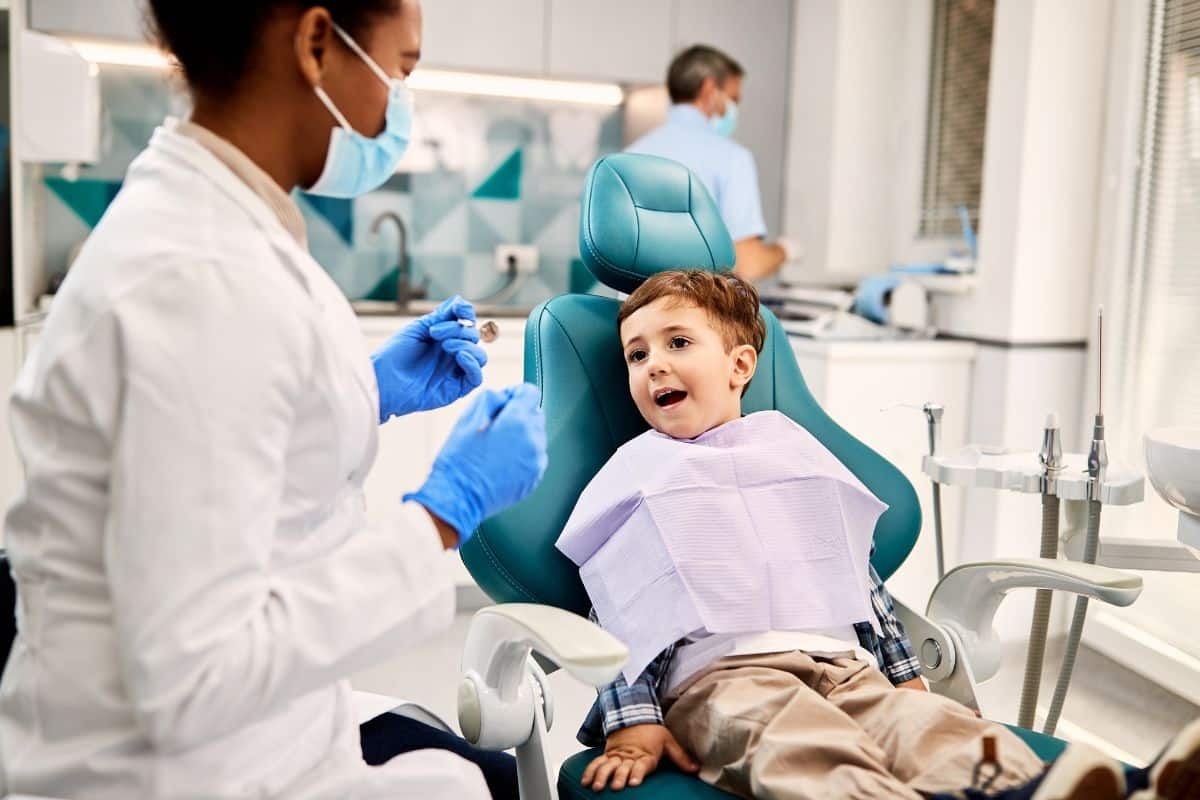
As a parent, you want to give your child the healthiest start possible. One important step that often gets overlooked is scheduling their first dental visit for child care. Many parents wonder when that first appointment should happen and what to expect during the visit.
If you’re raising a young family in Edinburg, TX, understanding the right time to introduce your child to dental care can help prevent future oral health problems and build positive habits that last a lifetime. At Palm Valley Dental, we believe early dental visits are one of the best investments you can make in your child’s long-term oral health.
Quick Answer
Most dental professionals recommend scheduling your child’s first dental visit for child care by their first birthday or within six months after their first tooth appears. Early visits help detect potential issues, provide preventive care, and establish healthy oral hygiene habits from an early age.
Why Is the First Dental Visit Important?
If you’re looking for trusted pediatric dental care in Edinburg, Palm Valley Dental offers gentle, family-focused dental services to help children build healthy smiles from an early age. Our experienced team provides preventive care in a welcoming environment, making every visit comfortable for both children and parents.
Baby teeth may be temporary, but they play a crucial role in your child’s development. They help with:
- Chewing and proper nutrition
- Speech development
- Maintaining space for permanent teeth
- Building confidence through a healthy smile
An early dental visit allows a dentist to monitor oral development and identify concerns before they become larger problems.
When Should Your Child See a Dentist?
The American Academy of Pediatric Dentistry recommends that children see a dentist by age one or within six months of their first tooth erupting.
Signs It’s Time for a Dental Visit
Even if your child only has one or two teeth, it’s time to schedule an appointment if you notice:
- White spots on teeth
- Brown or dark discoloration
- Persistent thumb-sucking
- Delayed tooth eruption
- Gum swelling or redness
- Concerns about feeding or oral development
Early intervention can help prevent cavities and other dental issues.
What Happens During Your Child’s First Dental Appointment?
Many parents worry that their child may be nervous during their first visit. Fortunately, the appointment is usually short, gentle, and focused on education.
Examination
The dentist will:
- Check your child’s teeth and gums
- Evaluate jaw and bite development
- Look for signs of tooth decay
- Assess oral growth patterns
Parent Education
You’ll receive guidance on:
- Proper brushing techniques
- Teething care
- Fluoride recommendations
- Healthy eating habits
- Preventing baby bottle tooth decay
Preventive Care
Depending on your child’s age and needs, preventive treatments may include:
- Fluoride application
- Oral hygiene instruction
- Risk assessment for cavities
The goal is to create a positive experience that helps your child feel comfortable at future dental visits.
Common Benefits of Early Dental Visits
Scheduling your child’s first dental appointment early offers several advantages.
Prevents Cavities
Tooth decay is one of the most common childhood health conditions. Early visits help identify risk factors before cavities develop.
Builds Positive Dental Experiences
Children who visit the dentist regularly from a young age often develop less dental anxiety later in life.
Supports Healthy Development
Regular monitoring allows dental professionals to track tooth eruption, jaw growth, and bite alignment.
Educates Parents
Parents gain valuable information about oral hygiene practices and nutrition that support healthy smiles.
What Can Parents Do Before the First Visit?
Preparing your child ahead of time can help make the appointment smoother.
Helpful Tips
- Schedule the appointment when your child is well-rested.
- Use positive language about the dentist.
- Read children’s books about dental visits.
- Avoid using words like “pain,” “hurt,” or “shot.”
- Bring a favorite comfort item if needed.
Keeping the experience positive can help your child feel more confident.
Preparing your child for regular dental visits is an important part of maintaining a healthy smile. For more tips on the long-term benefits of early dental care, read our article on how a pediatric dentist can improve your child’s oral health. It explains how preventive dental care supports healthy development and helps children establish positive oral hygiene habits from an early age.
Are There Risks of Waiting Too Long?
Delaying your child’s first dental visit may increase the risk of oral health issues that could have been prevented.
Potential concerns include:
- Early childhood cavities
- Tooth pain and infections
- Difficulty eating
- Speech development issues
- More extensive treatment needs later
Regular preventive care is typically simpler, more comfortable, and less costly than treating advanced dental problems.
Why Choose a Pediatric-Friendly Dental Office?
Choosing a practice that understands children’s needs can make a significant difference in their experience.
A child-focused approach includes:
- Gentle communication
- Comfortable treatment environments
- Age-appropriate education
- Preventive care strategies
- Family-centered support
Creating a positive first impression helps establish lifelong dental habits.
Frequently Asked Questions
Is age one really necessary for a child’s first dental visit?
Yes. Dental experts recommend a visit by age one because early evaluations can identify potential issues before they become serious and provide parents with preventive guidance.
What if my child only has one tooth?
Even one tooth is enough reason to schedule a dental visit. Early appointments focus on monitoring development and educating parents about proper oral care.
How long does the first dental visit take?
Most first visits are relatively short, often lasting between 30 and 45 minutes, depending on your child’s comfort level and oral health needs.
Can cavities develop in baby teeth?
Absolutely. Baby teeth are susceptible to decay, and untreated cavities can affect eating, speech, comfort, and future permanent teeth.
How often should children visit the dentist?
Most children benefit from dental checkups every six months. Your dentist may recommend a different schedule based on your child’s oral health needs.
What should I bring to my child’s first appointment?
Bring your child’s insurance information, medical history, a list of medications, and any questions you may have about oral health or development.
Conclusion
Scheduling your child’s first dental visit for child care by age one is one of the best ways to support lifelong oral health. Early dental visits help prevent cavities, monitor development, and give parents the tools needed to keep young smiles healthy.
If you’re looking for a caring and experienced pediatric dentist in Edinburg, Palm Valley Dental is here to help. Our friendly team is dedicated to making dental care comfortable and educational for both children and parents.
Call Palm Valley Dental today at +1 9563292808 to schedule your child’s first dental appointment and take the first step toward a lifetime of healthy smiles.
Choosing a dental home for your child is an important decision. Want to learn more about our practice, patient experiences, and community updates? Visit our Google Business Profile to see reviews, office updates, and feedback from local families throughout Edinburg.
Recent Post

October 6, 2026
How to Clean Dentures: A Daily Care Routine

September 25, 2026
Signs of Cavities in Children: What Parents Should Know
September 17, 2026
How Long Do Dentures Last? Signs to Replace Them

September 14, 2026
What Foods Can You Eat After Dental Implant Surgery?

September 8, 2026
10 Signs You May Need Root Canal Treatment
Categories
Pediatric Dentistry (31)
Patients love it here

My husband and I visited Palm Valley Dental, and it was a rewarding experience. Dr. Torres and Dr. Trevino are so patient, knowledgeable and professional. Caleb, the Dental Hygienist is also very thorough and courteous. The office staff are so pleasant and helpful as well.


Adalia De Luna
Literally, the first time ever at dentist, went in terrified, left informed on my dental care/plan, and scheduled my return visit for the in depth cleaning. Overall, great experience, staff & doctor were attentive, professional and very receptive to all my questions and even the nervousness I displayed.

Sandra Palomo
I love this place. Aside from the amazing and comprehensive dental services, customer service and my time are really important to me. It is rare to find everything I care about in one place.

Karla DeWald
Dr. Treviño and staff are wonderful!! Very clean environment. Dr is so good I had a filling adjustment without being numbed up!! If that doesn't tell you how good they are, I don't know what will!!

Issa Garcia
I love this place. Aside from the amazing and comprehensive dental services, customer service and my time are really important to me. It is rare to find everything I care about in one place.
Karla DeWald
After experiencing a few negative experiences at a previous dental practice, I cautiously decided to try this new dental place. I had a wonderful first visit here and felt a great relief after my appointment. Everyone I encountered was so kind and friendly, and all my concerns and questions were addressed. I highly recommend. 😊