
What Foods Can You Eat After Dental Implant Surgery?
September 14, 2026
Dental Implants
Knowing what to eat after dental implant surgery can make the first few days of recovery more comfortable. Your mouth may feel tender, and chewing around the surgical area may be difficult. Choosing soft, nutritious foods can help you maintain your nutrition while avoiding unnecessary pressure on the healing area.
If you are considering tooth replacement or have questions about the recovery process, learning about implant dentistry in Edinburg can help you understand what to expect before and after treatment.
Your dentist will give you personalized instructions based on your procedure. Those instructions should always take priority, particularly if your implant placement involved bone grafting, multiple implants, or another procedure.
Quick Answer
After dental implant surgery, patients are generally advised to choose soft or liquid foods that require little chewing. Good options can include yogurt, smoothies, scrambled eggs, oatmeal, mashed potatoes, soup, pudding, soft pasta, cottage cheese, tofu, and soft-cooked vegetables. As healing progresses, your dentist can tell you when it is appropriate to gradually return to firmer foods.
What to Eat After Dental Implant Surgery
The goal is not simply to find foods that are easy to chew. You also want meals and snacks that provide enough calories, protein, vitamins, and minerals while your body is recovering.
Here are some practical choices to keep on hand.
1. Yogurt and Soft Dairy Foods
Plain or lightly sweetened yogurt can be an easy choice when your mouth feels tender. Cottage cheese and other soft cheeses may also work well.
These foods require little chewing and can help you add protein to your diet. Choose smooth varieties without hard pieces, seeds, or crunchy toppings.
2. Smoothies
A smoothie can be an easy way to combine several nutritious ingredients in one meal. Consider blending yogurt, milk or a suitable milk alternative with soft fruits.
Be mindful of temperature and ingredients. Avoid adding seeds, nuts, ice chunks, or other hard pieces that could irritate the surgical area.
Unless your dentist specifically tells you otherwise, it is also wise to avoid using a straw immediately after oral surgery because suction may interfere with the healing area.
3. Scrambled Eggs
Eggs are soft, easy to prepare, and provide protein. Scrambled eggs can be particularly convenient during the early recovery period because they require minimal chewing.
Keep them soft rather than crisp or heavily browned.
4. Oatmeal and Other Soft Grains
Oatmeal, cream of wheat, soft rice, couscous, and similar foods can provide a filling option without requiring much chewing.
Allow hot foods to cool to a comfortable temperature before eating. Your dental team may recommend avoiding very hot foods and beverages during the early recovery period.
5. Mashed Potatoes
Mashed potatoes are a classic soft-food option because they are filling and easy to eat. You can make them more nutritious by incorporating suitable sources of protein or dairy, depending on your dietary needs.
Avoid adding crunchy toppings such as bacon bits or fried onions while your mouth is healing.
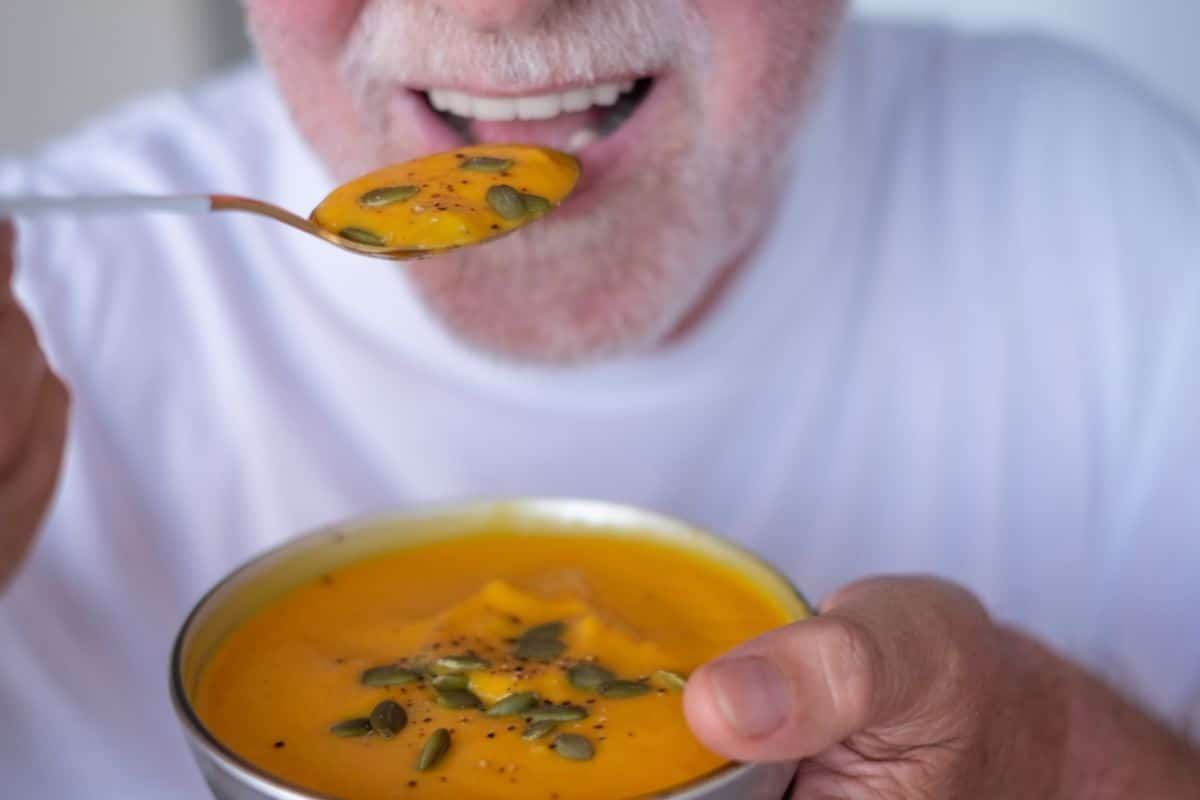
6. Soups
Smooth or blended soups can be comforting and nutritious. Vegetable soups, cream soups, and other soups with soft ingredients may be appropriate.
Let soup cool before eating rather than consuming it piping hot. If your soup contains meat or vegetables, make sure they are soft enough to avoid excessive chewing.
The American Dental Association notes that soups with soft vegetables, pureed soups, and other nutrient-rich soft foods can be useful following oral surgery or implant treatment.
7. Soft-Cooked Vegetables
Vegetables do not have to disappear from your diet while you recover. Cooking them until they are very soft can make them easier to eat.
Good choices may include well-cooked carrots, squash, sweet potatoes, or other vegetables that can be easily mashed with a fork.
8. Soft Fish, Shredded Chicken, and Tofu
Once your dentist says you can begin eating more substantial foods, soft sources of protein can help add variety to your meals.
Soft-cooked, shredded chicken, tender fish, and tofu are examples of foods that may work well. Cut foods into small pieces and chew away from the surgical area when possible.
Foods to Avoid After Dental Implant Surgery
Knowing what not to eat is just as important as knowing what you can eat.
Hard and Crunchy Foods
Avoid foods that require significant chewing or could press against the surgical area. Examples include:
- Nuts
- Popcorn
- Potato chips
- Hard crackers
- Raw crunchy vegetables
- Hard candies
- Ice
These foods can be uncomfortable and may place unnecessary pressure on healing tissues.
Sticky or Chewy Foods
Caramels, taffy, chewing gum, and similarly sticky foods can be difficult to manage while your mouth is healing.
Spicy or Irritating Foods
Spicy foods may irritate sensitive oral tissues. If a particular food causes burning or discomfort, leave it out of your diet until your mouth has recovered.
Very Hot Foods and Drinks
Your dentist may recommend avoiding very hot foods and beverages immediately after surgery. Allow foods and drinks to cool to a comfortable temperature before consuming them.
Alcohol
Follow your dental provider’s instructions regarding alcohol after surgery, particularly if you have been prescribed medication. Alcohol can also be irritating to healing oral tissues.
How Long Should You Eat Soft Foods?
There is no single diet timeline that applies to every dental implant patient.
The appropriate length of time can depend on the number and location of implants, the type of procedure performed, whether bone grafting was necessary, and how your mouth is healing. Some patients may need a liquid or soft-food diet for several days or longer.
Instead of switching back to regular foods based only on the calendar, pay attention to your dentist’s instructions and your comfort level. Your dental professional can tell you when it is safe to gradually introduce foods with more texture.
Tips for Making Eating Easier During Implant Recovery
A little preparation can make recovery much less stressful.
- Prepare food before surgery
Stock your refrigerator with yogurt, eggs, oatmeal, soup, soft vegetables, cottage cheese, and ingredients for smoothies.
- Eat smaller meals if needed
If your mouth is uncomfortable, several smaller meals may feel easier than trying to eat a large meal.
- Stay hydrated
Water is an important part of maintaining good overall health and supporting normal body functions during recovery.
- Keep foods nutritious
Try to include protein and a variety of nutrient-rich foods rather than relying only on desserts, ice cream, or other low-nutrient soft foods.
- Chew carefully
When your dentist allows you to begin chewing, try to keep food away from the surgical area whenever possible.
- Follow your dental team’s instructions
Your dentist may provide specific recommendations about eating, oral hygiene, medications, rinsing, and activity based on your procedure.
For additional guidance, patients should also follow their personalized dental implant aftercare tips provided by their dental professional.
When Can You Return to Your Normal Diet?
As healing progresses, you may gradually be able to reintroduce foods with more texture. However, the timing varies from patient to patient.
Do not use the absence of pain as the only sign that your implant is ready for normal chewing. The tissues in your mouth can continue healing even after you start feeling better. Your dentist should determine when it is appropriate to resume your usual diet.
If a food causes pain, pressure, bleeding, or significant discomfort, stop eating it and contact your dental provider for guidance.
When Should You Contact Your Dentist?
Some tenderness and swelling can occur after oral surgery, but you should contact your dental provider if you have concerns about your recovery or notice symptoms that seem unusual or are getting worse.
Your dental team can determine whether what you are experiencing is part of normal healing or requires an evaluation.
Patients in Edinburg who are preparing for dental implant treatment can discuss dietary restrictions and recovery expectations with their dental provider before the procedure. Having a plan for meals ahead of time can make the first few days much easier.
Frequently Asked Questions
Can I eat immediately after dental implant surgery?
Your dentist will provide specific instructions about when to begin eating. Once you are cleared to eat, soft and comfortable foods are generally easier to manage than hard or crunchy foods. Follow your provider’s instructions regarding food temperature and texture.
Can I eat eggs after dental implant surgery?
Yes. Soft scrambled eggs can be a practical food choice after implant surgery because they are easy to chew and provide protein. Keep them soft and avoid adding crunchy ingredients.
Can I eat rice after dental implant surgery?
Soft-cooked rice may be appropriate once your dentist allows it, but individual recommendations vary. If small food particles could become a concern around your surgical site, ask your dentist when rice is appropriate for you.
Can I drink a smoothie after dental implant surgery?
Smoothies can be a convenient soft-food option. Avoid hard pieces, seeds, and other ingredients that could irritate the area. Ask your dental provider whether you should avoid drinking through a straw during the early healing period.
How do I know when I can eat normal foods again?
Your dentist should determine when you can safely return to your normal diet. As healing progresses, foods can typically be reintroduced gradually rather than switching immediately from a soft-food diet to hard or crunchy foods.
Conclusion
Choosing the right foods after dental implant surgery can make recovery more comfortable while helping you maintain good nutrition. Start with soft, easy-to-eat options such as yogurt, eggs, oatmeal, smoothies, soup, mashed potatoes, soft vegetables, and other nutrient-rich foods. Avoid hard, crunchy, sticky, spicy, or very hot foods until your dental provider says they are safe.
Every implant procedure is different, so your dentist’s personalized instructions should always come first.
If you are considering dental implants in Edinburg, TX, Palm Valley Dental can help you understand your treatment options and what to expect throughout the process. You can also see patient reviews on Google when researching a local dental practice.
Call Palm Valley Dental at +1 9563292808 or schedule a consultation to discuss whether dental implants may be appropriate for your smile.
Recent Post

October 6, 2026
How to Clean Dentures: A Daily Care Routine

September 25, 2026
Signs of Cavities in Children: What Parents Should Know
September 17, 2026
How Long Do Dentures Last? Signs to Replace Them
September 14, 2026
What Foods Can You Eat After Dental Implant Surgery?

September 8, 2026
10 Signs You May Need Root Canal Treatment
Categories
Dental Implants (11)
Patients love it here

My husband and I visited Palm Valley Dental, and it was a rewarding experience. Dr. Torres and Dr. Trevino are so patient, knowledgeable and professional. Caleb, the Dental Hygienist is also very thorough and courteous. The office staff are so pleasant and helpful as well.


Adalia De Luna
Literally, the first time ever at dentist, went in terrified, left informed on my dental care/plan, and scheduled my return visit for the in depth cleaning. Overall, great experience, staff & doctor were attentive, professional and very receptive to all my questions and even the nervousness I displayed.

Sandra Palomo
I love this place. Aside from the amazing and comprehensive dental services, customer service and my time are really important to me. It is rare to find everything I care about in one place.

Karla DeWald
Dr. Treviño and staff are wonderful!! Very clean environment. Dr is so good I had a filling adjustment without being numbed up!! If that doesn't tell you how good they are, I don't know what will!!

Issa Garcia
I love this place. Aside from the amazing and comprehensive dental services, customer service and my time are really important to me. It is rare to find everything I care about in one place.
Karla DeWald
After experiencing a few negative experiences at a previous dental practice, I cautiously decided to try this new dental place. I had a wonderful first visit here and felt a great relief after my appointment. Everyone I encountered was so kind and friendly, and all my concerns and questions were addressed. I highly recommend. 😊