

10 Signs You May Need Root Canal Treatment
September 8, 2026
Root Canal
A toothache can be easy to dismiss, especially when the discomfort comes and goes. But persistent pain, unusual sensitivity, swelling, or discomfort when chewing may be signs that something deeper is happening inside the tooth.
A root canal may be recommended when the soft tissue inside a tooth, called the pulp, becomes inflamed or infected. This can happen because of deep decay, a crack, an injury, or other damage to the tooth. If you’re experiencing symptoms and want to understand your options, exploring root canal treatment in Edinburg can be a helpful first step.
The important thing to remember is that symptoms alone cannot confirm that you need a root canal. Several dental problems can cause similar discomfort, so a dentist needs to evaluate the tooth and determine the underlying cause.
Quick Answer
Common signs you may need root canal treatment include persistent or severe tooth pain, pain when biting or chewing, lingering sensitivity to hot or cold, swollen or tender gums, a pimple on the gums, tooth discoloration, a cracked or chipped tooth, deep decay, pain or pressure around the tooth, and symptoms that continue or worsen over time. Not every tooth requiring treatment causes obvious pain.
10 Signs You May Need Root Canal Treatment
1. Persistent or Severe Tooth Pain
One of the most noticeable warning signs is tooth pain that doesn’t go away.
The discomfort may be sharp, throbbing, aching, or difficult to pinpoint. You may notice it throughout the day, at night, or when eating and drinking.
Tooth pain can have many causes, including decay, cracks, gum problems, or inflammation of the pulp. Persistent pain deserves a dental evaluation rather than being treated as something you simply have to live with.
2. Pain When Biting or Chewing
Does one particular tooth hurt when you bite down?
Pain caused by pressure can occur with a cracked tooth, deep decay, a damaged filling, or problems affecting the pulp inside the tooth.
If chewing on one side of your mouth has suddenly become uncomfortable, don’t ignore it. A dentist can determine whether the tooth needs a filling, crown, root canal treatment, or another type of care.
3. Lingering Sensitivity to Hot or Cold
A brief twinge after drinking something cold isn’t necessarily a sign that you need a root canal.
However, sensitivity that lingers after the hot or cold stimulus is gone can be more concerning. The American Association of Endodontists notes that lingering temperature sensitivity can be associated with significant pulp damage.
Pay attention to how long the sensation lasts and whether it is becoming more frequent or intense.
4. Your Gums Are Swollen or Tender
Swelling or tenderness around a particular tooth may indicate inflammation or infection.
You might notice that the gum feels sore when touched, looks swollen, or feels different from the surrounding tissue. Swelling can also occur around an abscessed tooth.
Because dental infections can progress, swelling should not be ignored particularly when accompanied by significant pain or other symptoms.
5. You Notice a Small Pimple on Your Gum
A small bump or pimple-like spot on the gum near a painful tooth can be a sign of an infection that has formed around the tooth.
Sometimes these spots may drain, causing the pain to temporarily decrease. That doesn’t necessarily mean the underlying problem has resolved.
If you notice a recurring bump near a tooth, have it examined by a dentist.
6. The Tooth Has Become Darker
A tooth that becomes noticeably darker, grayish, or discolored may have experienced damage to the pulp.
This can happen following trauma, although discoloration can have other causes as well. A dark tooth doesn’t automatically mean you need a root canal, but it is a reason to have the tooth evaluated.
7. You Have a Cracked or Chipped Tooth
A crack or chip can allow bacteria to reach deeper portions of the tooth.
This is particularly important if you develop pain, temperature sensitivity, or discomfort when biting after damaging a tooth. The American Association of Endodontists lists chipped or cracked teeth among symptoms that may indicate the need for root canal treatment.
Even if the damage isn’t causing much pain, a dental examination can help determine how serious the problem is.
8. You Have Deep Tooth Decay
A small cavity may be treated with a filling. But when decay progresses deep into a tooth and reaches the pulp, more extensive treatment may be necessary.
The pulp contains nerves and blood vessels. When it becomes inflamed or infected, symptoms such as significant pain and prolonged sensitivity can develop.
This is one reason regular dental examinations matter: some dental problems can become extensive before they produce obvious symptoms.
9. You Feel Pressure or Pain Around One Tooth
Sometimes the problem isn’t a dramatic toothache. Instead, you may feel pressure, tenderness, or an uncomfortable sensation around a particular tooth.
The discomfort may become more noticeable when you bite down or touch the area.
Because several conditions can produce similar symptoms, your dentist may use an examination, dental X-rays, and other diagnostic tests to determine what’s happening.
10. Your Symptoms Keep Coming Back
Perhaps the pain disappeared for a few days, only to return later.
That doesn’t necessarily mean the tooth has healed. Dental pain can fluctuate, and some problems may temporarily become less noticeable.
The absence of pain also doesn’t guarantee that a tooth is healthy. According to the AAE, not every tooth requiring root canal therapy is necessarily painful.
If symptoms repeatedly return, schedule an evaluation instead of waiting for another painful episode.
What Causes a Tooth to Need a Root Canal?
Root canal treatment is generally used when the pulp inside a tooth becomes inflamed or infected.
Common causes include:
- Deep tooth decay
- A cracked or chipped tooth
- Dental trauma or injury
- Repeated dental procedures on the same tooth
- Damage that allows bacteria to reach the pulp
During root canal treatment, the diseased pulp is removed, and the inside of the tooth is cleaned, disinfected, filled, and sealed. The tooth can then be restored to help protect it and return it to normal function.
Palm Valley Dental’s root canal information similarly explains that deep decay or a cracked tooth can allow bacteria to reach the pulp and that treatment may help preserve the affected tooth.
Does a Toothache Always Mean You Need a Root Canal?
No.
Tooth pain doesn’t automatically mean root canal treatment is necessary. Cavities, cracked teeth, gum problems, worn fillings, bite problems, and other conditions can produce similar symptoms.
That’s why it’s important not to self-diagnose based on a checklist.
A dentist can evaluate the tooth, identify the likely source of the problem, and explain which treatment options make sense for your situation.
What Happens If a Tooth Needs a Root Canal?
If an examination shows that the pulp is infected or significantly damaged, your dentist may recommend root canal treatment.
The basic process involves:
- Numbing the area to keep you comfortable.
- Accessing the inside of the tooth.
- Removing the inflamed or infected pulp.
- Cleaning and disinfecting the root canals.
- Filling and sealing the space.
- Restoring the tooth, often with a filling or crown depending on the tooth’s condition.
If your dentist recommends treatment, knowing how to prepare for root canal treatment can help you understand what to expect before your appointment and make the process feel more manageable.
When Should You Seek Urgent Dental Care?
Don’t wait for a routine appointment if you have significant swelling, severe dental pain, or signs that an infection may be spreading.
In particular, facial swelling, fever, difficulty swallowing, or difficulty breathing requires prompt medical attention. Dental infections can sometimes become serious, and treatment should not be delayed when systemic or airway symptoms develop.
Antibiotics aren’t a substitute for treating the underlying dental problem in most cases of pulpal or periapical dental pain and swelling; the ADA recommends prioritizing appropriate dental treatment, with antibiotics reserved for situations where systemic involvement or other indications warrant them.
How Can You Protect a Tooth From Needing a Root Canal?
You can’t prevent every dental injury or problem, but good preventive care can reduce your risk of extensive tooth damage.
A few practical habits can help:
- Brush twice a day with fluoride toothpaste.
- Clean between your teeth every day.
- Don’t ignore persistent tooth sensitivity or pain.
- Wear appropriate protection during contact sports.
- Avoid using your teeth to open packages or bite hard objects.
- Keep regular dental appointments.
- Have cracks, chips, and cavities evaluated promptly.
The goal isn’t simply to avoid root canals. It’s to identify dental problems early and protect your natural teeth whenever possible.
FAQs
1. How do I know if I need a root canal?
You may need a root canal if you have persistent tooth pain, severe pain when biting, lingering sensitivity to hot or cold, swelling or tenderness around a tooth, a cracked tooth, or other signs of pulp damage. However, only a dental examination can determine whether root canal treatment is appropriate.
2. Can you need a root canal without having pain?
Yes. Not every tooth that requires root canal treatment causes noticeable pain. Some teeth may have an infection or pulp damage without producing obvious symptoms, which is why regular dental examinations are important.
3. Is sensitivity to cold always a sign of a root canal?
No. Short-lived sensitivity can have several causes and doesn’t automatically mean the pulp is seriously damaged. However, sensitivity that continues after the cold or hot stimulus is removed is more concerning and should be evaluated by a dentist.
4. What happens if I ignore symptoms that could indicate a root canal?
If a tooth has infected or significantly inflamed pulp, delaying treatment can allow the problem to progress and potentially lead to an abscess or tooth loss. Prompt evaluation gives your dentist an opportunity to determine the cause and discuss appropriate treatment.
5. Is root canal treatment painful?
Modern root canal treatment is performed with local anesthesia, and the procedure is designed to address pain caused by inflamed or infected pulp. Some tenderness or sensitivity can occur for a few days afterward, particularly when infection or significant pain was present beforehand.
Conclusion
Knowing the signs you may need root canal treatment can help you recognize when a tooth deserves professional attention. Persistent pain, lingering sensitivity, pain when chewing, swelling, discoloration, cracks, and recurring symptoms are all reasons to have the tooth evaluated.
You don’t have to determine on your own whether you need a root canal. A dental professional can examine the tooth, identify the source of the problem, and explain your treatment options.
If you’re experiencing concerning tooth symptoms in Edinburg, TX, Palm Valley Dental provides root canal care as part of its restorative dental services. Its office is located on S Jackson Rd in Edinburg.
If you’re ready to discuss your symptoms, schedule an appointment with Palm Valley Dental for an evaluation and personalized recommendations. You can also see what patients are saying on Google to learn more about the practice.
Recent Post

October 6, 2026
How to Clean Dentures: A Daily Care Routine

September 25, 2026
Signs of Cavities in Children: What Parents Should Know
September 17, 2026
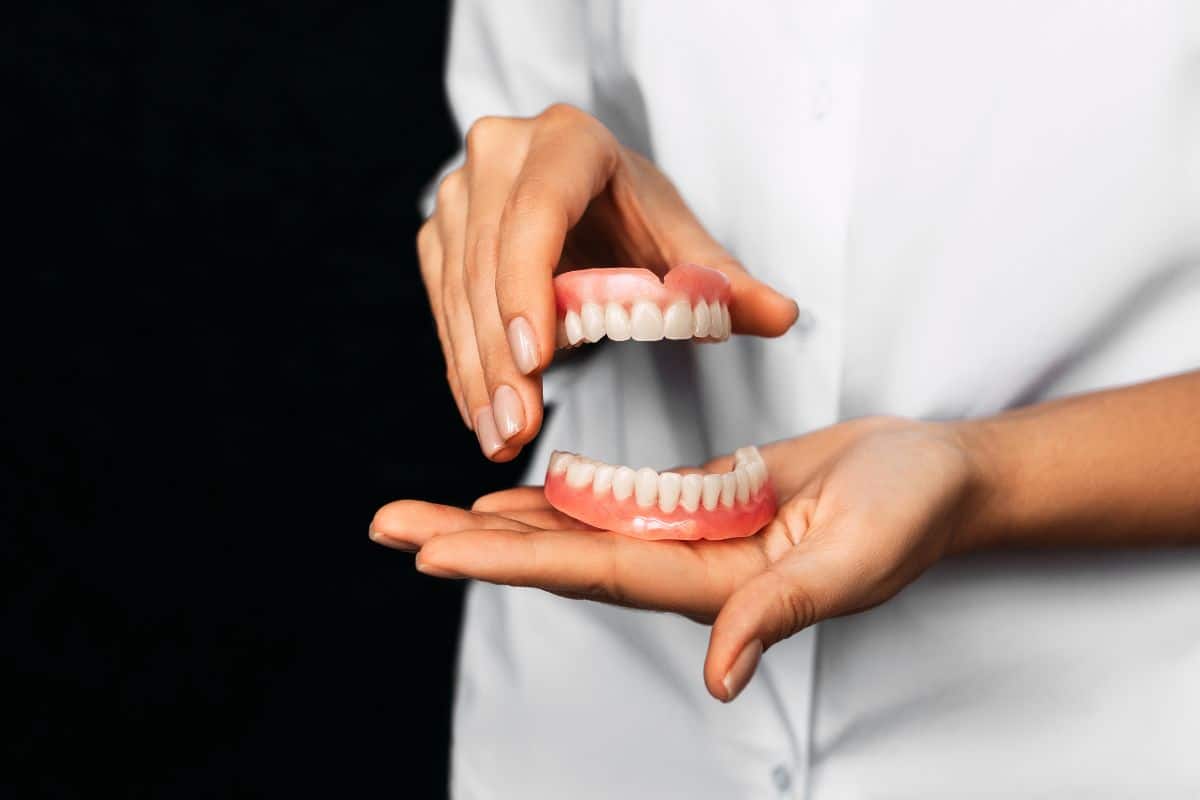
How Long Do Dentures Last? Signs to Replace Them

September 14, 2026
What Foods Can You Eat After Dental Implant Surgery?
September 8, 2026
10 Signs You May Need Root Canal Treatment
Categories
Root Canal (4)
Patients love it here

My husband and I visited Palm Valley Dental, and it was a rewarding experience. Dr. Torres and Dr. Trevino are so patient, knowledgeable and professional. Caleb, the Dental Hygienist is also very thorough and courteous. The office staff are so pleasant and helpful as well.


Adalia De Luna
Literally, the first time ever at dentist, went in terrified, left informed on my dental care/plan, and scheduled my return visit for the in depth cleaning. Overall, great experience, staff & doctor were attentive, professional and very receptive to all my questions and even the nervousness I displayed.

Sandra Palomo
I love this place. Aside from the amazing and comprehensive dental services, customer service and my time are really important to me. It is rare to find everything I care about in one place.

Karla DeWald
Dr. Treviño and staff are wonderful!! Very clean environment. Dr is so good I had a filling adjustment without being numbed up!! If that doesn't tell you how good they are, I don't know what will!!

Issa Garcia
I love this place. Aside from the amazing and comprehensive dental services, customer service and my time are really important to me. It is rare to find everything I care about in one place.
Karla DeWald
After experiencing a few negative experiences at a previous dental practice, I cautiously decided to try this new dental place. I had a wonderful first visit here and felt a great relief after my appointment. Everyone I encountered was so kind and friendly, and all my concerns and questions were addressed. I highly recommend. 😊