
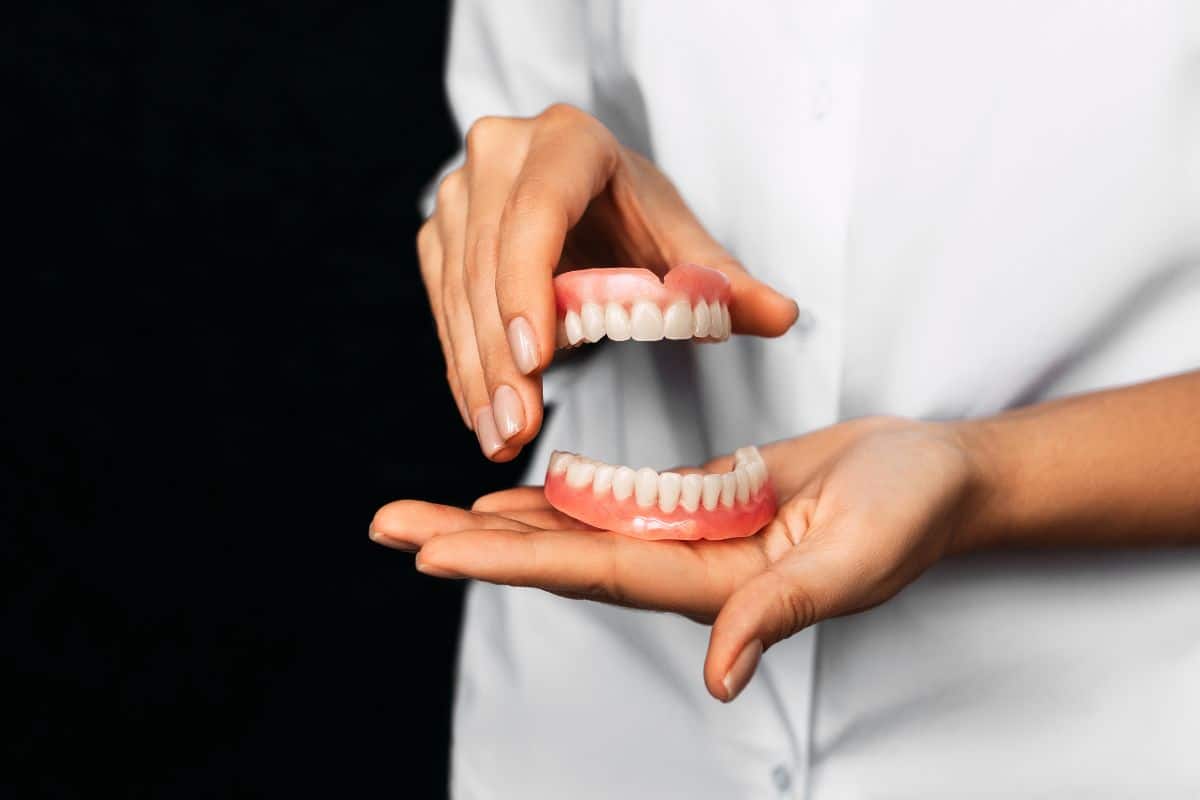
How Long Do Dentures Last? Signs to Replace Them
September 17, 2026
Dentures
Dentures can make everyday activities like eating, speaking, and smiling easier after tooth loss. But like any dental appliance, dentures do not last forever. Over time, normal wear, changes in your mouth, and changes in the fit can affect how well they function.
So, how long do dentures last? In general, dentures have an average lifespan of about 7 to 10 years, although some may need attention sooner depending on fit, care, materials, and changes in the mouth.
If you’re considering dentures or think your current set is no longer fitting properly, exploring personalized dentures in Edinburg can help you understand your replacement and treatment options. Palm Valley Dental provides personalized denture services designed around individual patient needs and comfort.
Quick Answer:
Most dentures last approximately 7 to 10 years with proper care, but there is no single replacement date that applies to everyone. A denture may need to be adjusted, relined, repaired, or replaced earlier if it becomes damaged or no longer fits comfortably.
Even if your dentures are several years old and still look acceptable, your dentist can evaluate their fit and condition during regular checkups.
What Determines How Long Dentures Last?
Several factors can affect the lifespan of dentures.
1. Daily Care and Cleaning
Dentures need regular cleaning just like natural teeth. Food particles, plaque, and other debris can build up on dentures and affect both the appliance and your oral health.
The American Dental Association recommends cleaning dentures daily with a soft-bristled brush and a non-abrasive cleanser. When dentures are not being worn, they should generally be kept in water or an appropriate soaking solution so they do not dry out or warp.
2. Changes in Your Mouth
Your gums and jaw can change over time following tooth loss. These changes may affect how well a removable denture fits.
A denture that once felt secure may gradually become loose or uncomfortable. That does not necessarily mean the denture itself is damaged, but it may indicate that an adjustment or professional evaluation is needed.
3. Normal Wear and Damage
Years of chewing and everyday use can gradually wear down denture materials and artificial teeth. Accidental drops or improper cleaning can also damage them.
Palm Valley Dental recommends contacting the practice if dentures break because damaged dentures that no longer fit correctly can irritate the gums and mouth.
4. The Type of Denture
Full and partial dentures serve different purposes. Full dentures replace an entire arch of missing teeth, while partial dentures replace missing teeth when some natural teeth remain.
Because every patient’s situation is different, the expected lifespan and maintenance needs can vary.
7 Signs You May Need New Dentures
You do not necessarily need to replace dentures simply because they have reached a certain age. Instead, pay attention to changes in comfort, fit, appearance, and function.
1. Your Dentures Feel Loose
If your dentures move, slip, or feel unstable while talking or eating, the fit may have changed.
Loose dentures can be frustrating and may make certain foods harder to chew. A dental professional can determine whether an adjustment or replacement is appropriate.
2. Your Dentures Cause Sore Spots
Persistent irritation, pressure points, or sore areas should not simply be ignored.
An uncomfortable denture may need adjustment, and ongoing mouth irritation should be evaluated by a dental professional.
3. You Have Difficulty Chewing
If foods that you previously ate comfortably are becoming difficult to chew, your dentures may no longer be functioning as they should.
Changes in the fit or wear of the artificial teeth can affect chewing efficiency.
4. Your Dentures Are Cracked or Broken
Visible cracks, fractures, or other damage are clear reasons to have your dentures examined.
Avoid attempting to repair damaged dentures yourself with household glue or over-the-counter repair materials. Professional evaluation can help determine whether repair, adjustment, or replacement is appropriate.
5. Your Dentures Click When You Talk
A noticeable clicking sound while speaking can be a sign that your dentures are moving or that the fit needs to be evaluated.
It does not automatically mean you need a completely new set, but it is worth discussing with your dentist.
6. Your Dentures Look Worn or Discolored
Denture teeth can become stained or show signs of wear over time. Proper cleaning can help minimize staining, but worn artificial teeth or damaged denture materials may eventually require professional attention.
7. Your Dentures Are Around 7-10 Years Old
Age alone does not determine whether replacement is necessary, but dentures commonly reach the end of their average lifespan within this range.
If your dentures are approaching or exceeding this timeframe, a dental examination can help determine whether they still provide an appropriate fit and function.
Can Dentures Be Repaired Instead of Replaced?
Sometimes, yes.
A dentist may determine that an adjustment, repair, or refitting is enough to address a denture problem. In other situations, replacement may be the better option.
For example, if the denture is structurally damaged, significantly worn, or no longer fits because of changes in your mouth, a new appliance may be recommended.
The important point is not to assume that every uncomfortable or loose denture automatically requires replacement. A professional evaluation can help identify the underlying problem.
How Can You Make Your Dentures Last Longer?
Good habits can help protect your dentures and support good oral health.
- Clean your dentures every day.
- Use a soft-bristled brush and a denture-safe, non-abrasive cleanser.
- Rinse dentures after meals when appropriate.
- Avoid hot water, which can warp denture materials.
- Keep dentures properly hydrated when they are not being worn.
- Handle them carefully over a folded towel or a sink filled with water to reduce the risk of breakage if dropped.
- Clean your gums, tongue, and the roof of your mouth even if you wear full dentures.
- Continue regular dental appointments so your dentist can check your oral health and denture fit.
Your dentist may also recommend specific cleaning products or soaking solutions based on the type of dentures you wear.
Being mindful of what you eat can also help make daily denture wear more comfortable. Understanding the foods to avoid while wearing dentures can help you make better choices during meals and reduce unnecessary discomfort.
What About New Dentures After Tooth Extraction?
If you receive immediate dentures after tooth removal, the fit can change as your mouth heals. The American Dental Association notes that immediate dentures may need to be relined or remade after the jaw and surrounding tissues have healed.
This is one reason follow-up appointments are important. Your dentist can monitor healing and determine whether adjustments are needed as your mouth changes.
When Should You See a Dentist About Your Dentures?
Make an appointment if your dentures:
- Suddenly feel loose or unstable
- Cause persistent soreness or irritation
- Are cracked, broken, or damaged
- Make chewing or speaking difficult
- Click or shift noticeably when you talk
- No longer seem to fit the way they once did
- Are approaching or beyond their expected lifespan
You should also continue regular dental checkups even if you have full dentures. Your gums, oral tissues, jaw, and any remaining natural teeth still need professional attention. Palm Valley Dental recommends regular checkups to help maintain oral health and monitor denture fit.
Dentures in Edinburg, TX
If your dentures are uncomfortable, damaged, or simply no longer feel like they used to, you do not have to guess whether it is time for a replacement.
Palm Valley Dental in Edinburg provides personalized denture services, including full and partial dentures. The practice emphasizes creating individualized dentures with attention to comfort and a natural-looking appearance.
You can also see what patients are saying on Google when researching a dental practice in the Edinburg area.
Frequently Asked Questions
How often should dentures be replaced?
Dentures commonly last around 7 to 10 years, but replacement timing varies. Fit, wear, damage, oral changes, and daily care can all influence when replacement becomes appropriate.
Can old dentures be relined instead of replaced?
In some cases, a dentist may recommend a reline or adjustment rather than completely new dentures. Whether this is appropriate depends on the condition of the existing appliance and changes in your mouth.
Is it normal for dentures to become loose over time?
Dentures can become less stable as the shape of the mouth changes following tooth loss. However, persistent looseness should be evaluated rather than simply tolerated.
How do I know if my dentures are worn out?
Signs can include looseness, discomfort, difficulty chewing, clicking while speaking, visible damage, significant wear, or an appliance that is several years old and no longer functions as it once did.
Can I repair broken dentures myself?
It is better not to use household glue or attempt to alter dentures yourself. Improper repairs can damage the appliance or affect its fit. A dentist can determine whether professional repair or replacement is appropriate.
Conclusion
So, how long do dentures last? For many people, dentures last approximately 7 to 10 years, but the right replacement timeline depends on the individual. A denture that becomes loose, uncomfortable, damaged, or difficult to use may need attention well before that point.
Taking care of your dentures, keeping up with dental visits, and addressing changes in fit early can help you get the most from your appliance while protecting your oral health.
If you’re in Edinburg, TX, and wondering whether your current dentures need an adjustment or replacement, Palm Valley Dental can evaluate your needs and discuss appropriate options for restoring a comfortable, functional smile.
Recent Post

October 6, 2026
How to Clean Dentures: A Daily Care Routine

September 25, 2026
Signs of Cavities in Children: What Parents Should Know
September 17, 2026
How Long Do Dentures Last? Signs to Replace Them

September 14, 2026
What Foods Can You Eat After Dental Implant Surgery?

September 8, 2026
10 Signs You May Need Root Canal Treatment
Categories
Dentures (5)
Patients love it here

My husband and I visited Palm Valley Dental, and it was a rewarding experience. Dr. Torres and Dr. Trevino are so patient, knowledgeable and professional. Caleb, the Dental Hygienist is also very thorough and courteous. The office staff are so pleasant and helpful as well.


Adalia De Luna
Literally, the first time ever at dentist, went in terrified, left informed on my dental care/plan, and scheduled my return visit for the in depth cleaning. Overall, great experience, staff & doctor were attentive, professional and very receptive to all my questions and even the nervousness I displayed.

Sandra Palomo
I love this place. Aside from the amazing and comprehensive dental services, customer service and my time are really important to me. It is rare to find everything I care about in one place.

Karla DeWald
Dr. Treviño and staff are wonderful!! Very clean environment. Dr is so good I had a filling adjustment without being numbed up!! If that doesn't tell you how good they are, I don't know what will!!

Issa Garcia
I love this place. Aside from the amazing and comprehensive dental services, customer service and my time are really important to me. It is rare to find everything I care about in one place.
Karla DeWald
After experiencing a few negative experiences at a previous dental practice, I cautiously decided to try this new dental place. I had a wonderful first visit here and felt a great relief after my appointment. Everyone I encountered was so kind and friendly, and all my concerns and questions were addressed. I highly recommend. 😊