
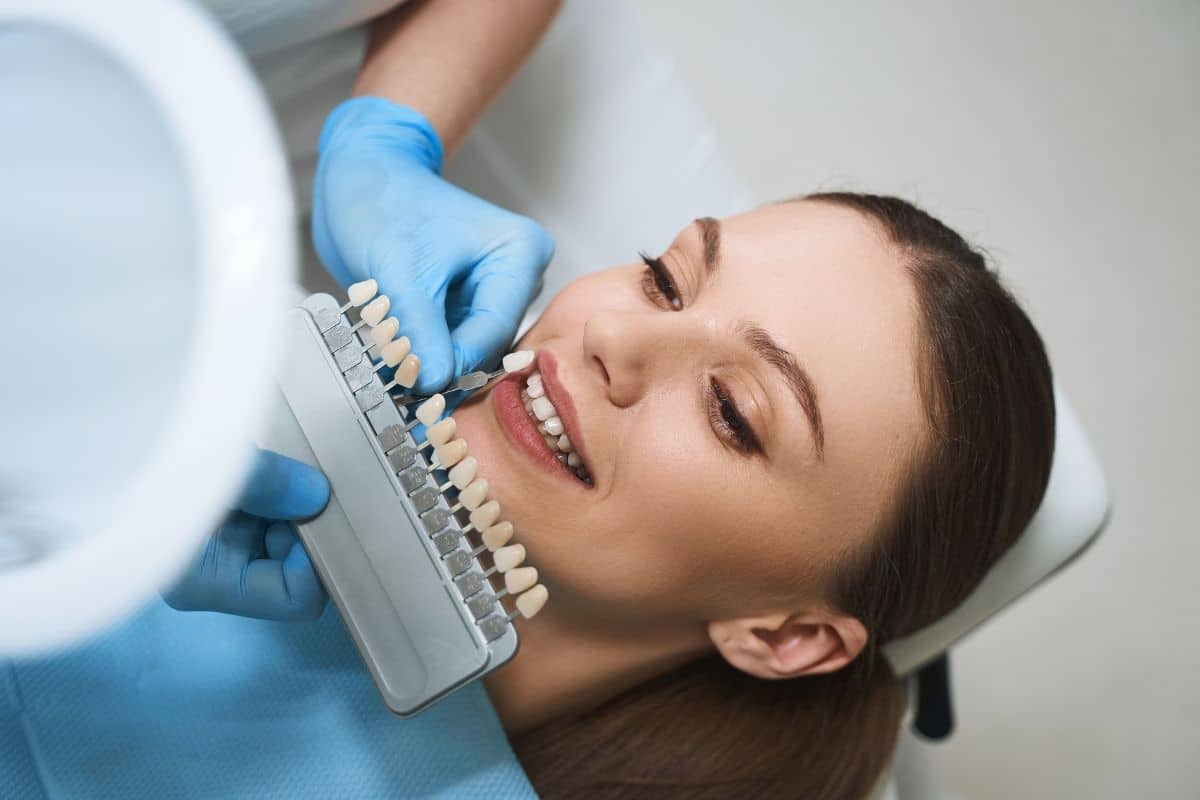
How Long Do Veneers Last? Tips to Extend Their Lifespan
July 29, 2026
Dental Veneers
A beautiful smile is an investment, so it’s natural to wonder how long do veneers last before deciding on treatment. Whether you’re considering veneers for chipped, stained, or uneven teeth, understanding their lifespan can help you make an informed decision.
At Palm Valley Dental in Edinburg, TX, we help patients achieve confident smiles with personalized cosmetic dentistry solutions. If you’re exploring dental veneers in Edinburg, knowing how to care for your veneers can help you enjoy a natural-looking smile for many years.
Quick Answer
Most dental veneers last 10 to 15 years, although many can remain in excellent condition for 20 years or longer with proper care. Their lifespan depends on the material used, your oral hygiene habits, diet, and whether you protect your teeth from excessive wear, such as grinding or chewing hard objects.
How Long Do Veneers Last?
The answer depends largely on the type of veneers you receive and how well you care for them.
Porcelain Veneers
Porcelain veneers are known for their durability and natural appearance. With excellent oral hygiene and regular dental visits, they commonly last:
- 10-15 years on average
- Up to 20 years or more in many patients
- Highly resistant to staining
- Strong enough for everyday eating when properly maintained
Composite Veneers
Composite veneers are more affordable but generally have a shorter lifespan.
They typically last:
- 5-7 years
- More prone to staining
- Easier to repair if chipped
- May require touch-ups sooner than porcelain veneers
Your dentist will recommend the best material based on your smile goals, lifestyle, and budget.
What Affects the Lifespan of Veneers?
Several everyday habits can influence how long your veneers stay in excellent condition.
Your Oral Hygiene Routine
Healthy gums provide a stable foundation for veneers.
Daily habits should include:
- Brushing twice each day with a soft-bristled toothbrush
- Flossing daily
- Using non-abrasive toothpaste
- Visiting your dentist for routine cleanings
Keeping your natural teeth healthy also protects your veneers.
Teeth Grinding (Bruxism)
Grinding your teeth places excessive pressure on veneers.
If you grind your teeth while sleeping, your dentist may recommend a custom night guard to prevent unnecessary wear.
Eating Habits
Although veneers are durable, they’re not indestructible.
Try to avoid:
- Chewing ice
- Biting hard candy
- Opening packages with your teeth
- Cracking nuts with your front teeth
These habits increase the risk of chips or fractures.
Tobacco Use
Smoking and tobacco products can affect your overall oral health and may stain the edges around veneers, especially composite materials.
Quitting tobacco benefits both your smile and your general health.
Signs Your Veneers May Need Replacement
Even well-maintained veneers eventually wear out.
Watch for signs such as:
- Chips or cracks
- Loose veneers
- Discoloration around the edges
- Gum recession exposing the veneer margin
- Changes in your bite
- Persistent sensitivity
If you notice any of these symptoms, schedule a dental evaluation promptly to prevent additional damage.
Tips to Make Your Veneers Last Longer
Good habits can significantly extend the life of your veneers.
Brush and Floss Every Day
Excellent oral hygiene prevents gum disease and tooth decay that could compromise your veneers.
Wear a Night Guard if Needed
If you clench or grind your teeth, a professionally made night guard can protect both your veneers and your natural teeth.
Visit Your Dentist Regularly
Routine dental exams allow small issues to be identified before they become costly repairs.
Professional cleanings also help maintain a healthy smile.
Choose Foods Wisely
You don’t have to avoid your favorite foods entirely, but it’s wise to:
- Cut hard foods into smaller pieces
- Avoid biting directly into very hard foods with your front teeth
- Limit sugary snacks and drinks
Don’t Use Teeth as Tools
Avoid using your teeth to tear packages, remove bottle caps, or hold objects. These habits can damage both veneers and natural teeth.
Are Veneers Worth the Investment?
For many patients, veneers offer long-lasting cosmetic improvements that boost confidence and improve smile aesthetics. If you’re wondering whether they’ll blend in with your existing teeth, learn more about how natural dental veneers can look before deciding if treatment is right for you.
Common benefits include:
- Natural-looking results
- Long-lasting appearance
- Resistance to stains (especially porcelain)
- Improved tooth shape and symmetry
- Enhanced confidence when smiling
While veneers require an upfront investment, proper care often allows patients to enjoy their results for well over a decade.
What Happens If a Veneer Gets Damaged?
A chipped or loose veneer doesn’t always mean the entire restoration must be replaced.
Depending on the situation, your dentist may recommend:
- Polishing minor imperfections
- Repairing composite veneers
- Rebonding a loose veneer
- Replacing a damaged porcelain veneer
Prompt treatment usually helps preserve your underlying tooth.
Frequently Asked Questions
How long do veneers last on front teeth?
Front tooth veneers generally last 10-15 years or longer with proper care. Good oral hygiene, regular dental checkups, and avoiding habits like chewing ice or grinding your teeth can help maximize their lifespan.
Do veneers stain over time?
Porcelain veneers are highly stain-resistant, while composite veneers may discolor more easily. Maintaining good oral hygiene and limiting coffee, tea, red wine, and tobacco use can help preserve their appearance.
Can veneers fall off?
Although uncommon, veneers can become loose if the bonding weakens, trauma occurs, or decay develops underneath the veneer. Your dentist can often rebond or replace the veneer after evaluating the cause.
Are veneers permanent?
Veneers are considered a long-term cosmetic treatment because a small amount of enamel is usually removed before placement. While the veneers themselves will eventually need replacement, the treatment process is generally irreversible.
How often should veneers be checked?
Your veneers should be examined during your regular dental checkups, typically every six months. Routine evaluations help detect minor issues early and keep both your veneers and natural teeth healthy.
Conclusion
If you’ve been wondering how long do veneers last, the good news is that most patients enjoy beautiful results for 10 to 15 years or even longer with proper care. Daily brushing, regular dental visits, healthy habits, and protecting your teeth from unnecessary wear all contribute to extending the life of your veneers.
If you’re ready to enhance your smile or want to learn whether veneers are right for you, schedule a consultation with Palm Valley Dental in Edinburg today. Our experienced team is here to answer your questions, create a personalized treatment plan, and help you achieve a confident, natural-looking smile. Call us today at +1 9563292808 to book your appointment.
Want to stay informed about helpful dental tips, office announcements, and patient experiences? See what our patients are saying by exploring our Google Business Profile, where you can read recent reviews, browse office updates, and learn more about Palm Valley Dental’s commitment to serving the Edinburg community.
Recent Post

October 6, 2026
How to Clean Dentures: A Daily Care Routine

September 25, 2026
Signs of Cavities in Children: What Parents Should Know
September 17, 2026
How Long Do Dentures Last? Signs to Replace Them

September 14, 2026
What Foods Can You Eat After Dental Implant Surgery?

September 8, 2026
10 Signs You May Need Root Canal Treatment
Categories
Dental Veneers (3)
Patients love it here

My husband and I visited Palm Valley Dental, and it was a rewarding experience. Dr. Torres and Dr. Trevino are so patient, knowledgeable and professional. Caleb, the Dental Hygienist is also very thorough and courteous. The office staff are so pleasant and helpful as well.


Adalia De Luna
Literally, the first time ever at dentist, went in terrified, left informed on my dental care/plan, and scheduled my return visit for the in depth cleaning. Overall, great experience, staff & doctor were attentive, professional and very receptive to all my questions and even the nervousness I displayed.

Sandra Palomo
I love this place. Aside from the amazing and comprehensive dental services, customer service and my time are really important to me. It is rare to find everything I care about in one place.

Karla DeWald
Dr. Treviño and staff are wonderful!! Very clean environment. Dr is so good I had a filling adjustment without being numbed up!! If that doesn't tell you how good they are, I don't know what will!!

Issa Garcia
I love this place. Aside from the amazing and comprehensive dental services, customer service and my time are really important to me. It is rare to find everything I care about in one place.
Karla DeWald
After experiencing a few negative experiences at a previous dental practice, I cautiously decided to try this new dental place. I had a wonderful first visit here and felt a great relief after my appointment. Everyone I encountered was so kind and friendly, and all my concerns and questions were addressed. I highly recommend. 😊