
Dental Crown vs. Filling: Which Is Right for You?
November 16, 2026
Dental Crowns
Have you ever been told that you need a dental restoration but weren’t sure whether a filling or a crown would be better? Both treatments help repair damaged teeth, but they serve different purposes. Choosing between them depends on the size of the cavity, the condition of your tooth, and how much healthy tooth structure remains.
Understanding the difference between a dental crown vs filling can help you feel more confident when discussing treatment options with your dental provider. At Palm Valley Dental, patients looking for dental crowns in Edinburg can explore restorative solutions designed to strengthen damaged teeth, improve their appearance, and support everyday functions like chewing.
So, is a filling enough, or does your tooth need the additional protection of a crown? Let’s look at how these treatments compare and when each may be appropriate.
Quick Answer: Should You Get a Dental Crown or Filling?
A dental filling is generally recommended when tooth decay or damage affects a relatively small portion of the tooth and enough healthy structure remains to support the repair. A dental crown may be recommended when damage is more extensive, the tooth is weakened, or a large existing filling needs additional protection.
Neither treatment is automatically better. The right choice depends on the condition of your tooth and your dentist’s examination.
1. What Is the Difference Between a Dental Crown and a Filling?
The main difference is how much of the tooth each restoration repairs and protects.
What Is a Dental Filling?
A dental filling repairs a tooth after decay or minor damage has been removed. Your dentist cleans the affected area and fills the space with a restorative material, such as tooth-colored composite resin.
The material bonds to the remaining tooth structure and restores its shape and function. Since fillings repair only the affected portion, they generally preserve more of your natural tooth than crowns.
Fillings are commonly used for:
- Small to moderate cavities.
- Minor chips or damage.
- Replacing worn or defective fillings.
- Repairing limited areas of tooth decay.
Tooth-colored fillings are also a popular option because they can blend with the surrounding teeth.
What Is a Dental Crown?
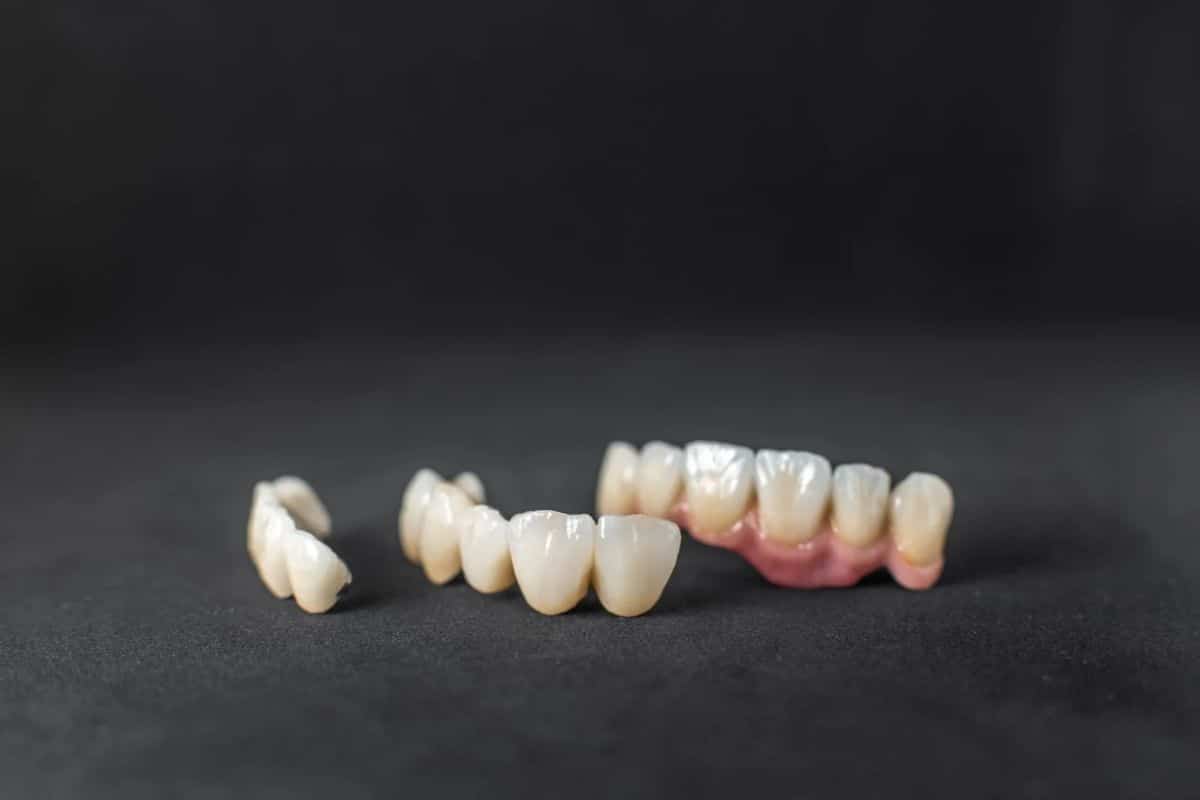
A dental crown, sometimes called a cap, is a custom-made restoration that covers the visible portion of a tooth above the gumline.
Unlike a filling, which repairs one area, a crown surrounds the tooth to restore its shape, protect weakened structure, and improve its ability to handle normal biting forces.
Crowns may be recommended for:
- Teeth with extensive decay.
- Cracked or fractured teeth.
- Teeth with large or failing fillings.
- Teeth that have undergone root canal treatment when additional protection is needed.
- Severely worn or weakened teeth.
Crowns can be made from materials such as porcelain, ceramic, metal, or combinations of materials. Your dental provider can explain which option is appropriate for your tooth.
2. Dental Crown vs. Filling: Key Differences at a Glance
Although both treatments restore damaged teeth, they differ in several important ways.
| Comparison | Dental Filling | Dental Crown |
| Coverage | Repairs a specific area | Covers the visible tooth |
| Purpose | Treats smaller areas of damage | Restores and protects weakened teeth |
| Tooth preparation | Removes decay and prepares the affected area | Requires reshaping the tooth to accommodate the crown |
| Common materials | Composite resin, amalgam, or other filling materials | Porcelain, ceramic, metal, or combinations |
| Treatment process | Often completed in one visit | May require preparation and a separate placement visit |
| Typical use | Small to moderate cavities | Extensive decay, fractures, or weakened teeth |
The best option is not determined by the size of the restoration alone. Your dentist must also consider the tooth’s location, bite pressure, remaining structure, and overall condition.
3. When Is a Dental Filling Enough?
Not every damaged tooth needs a crown. In many cases, a filling can restore a tooth effectively while preserving its natural structure.
A filling may be appropriate when:
- The cavity is relatively small or moderate.
- The surrounding enamel and tooth structure remain strong.
- The damage does not significantly affect the tooth’s overall stability.
- The tooth can support a filling without a high risk of further breakdown.
For example, if you have a small cavity on the chewing surface of a molar, a tooth-colored filling may be sufficient after the decayed portion is removed.
However, a filling is not always the best solution for a tooth with extensive damage. Placing a large filling in an already weakened tooth may leave it vulnerable to additional fractures.
Your dentist will evaluate the affected area before recommending treatment.
4. When Do You Need a Dental Crown Instead of a Filling?
A crown may be the more appropriate option when a tooth has lost too much healthy structure to support a filling reliably.
Here are some situations where your dentist may recommend a crown.
Extensive Tooth Decay
When decay affects a large portion of a tooth, removing the damaged tissue may leave insufficient structure for a filling to provide adequate support.
A crown can cover and protect the remaining tooth.
Cracked or Fractured Teeth
A cracked tooth may become more vulnerable to further damage when you bite or chew. Depending on the location and severity of the crack, a crown may help hold the tooth together and protect it from additional stress.
Not every crack requires a crown, so a proper examination is important.
Large or Failing Fillings
An older filling may wear down, loosen, or develop problems around its edges. If the remaining tooth structure is weak, replacing it with another filling may not provide enough protection.
A crown may offer a more suitable restoration in these situations.
After Certain Root Canal Treatments
Root canal treatment removes infected or damaged tissue from inside a tooth. Depending on the tooth’s condition and how much structure remains, a crown may be recommended to restore strength and reduce the risk of fracture.
5. Are Dental Crowns More Expensive Than Fillings?
In general, dental crowns cost more than fillings because they involve more extensive tooth preparation and a custom-made restoration.
However, the actual cost depends on several factors:
- The material used for the restoration.
- The amount of tooth damage.
- The location of the affected tooth.
- The complexity of the procedure.
- Your dental insurance coverage.
A filling may be a more affordable option for a smaller cavity, while a crown may involve a higher initial expense.
It is also important to consider the condition of the tooth rather than choosing treatment based on price alone. A restoration that does not adequately address the damage may lead to additional dental problems.
Before beginning treatment, ask your dental office for an explanation of the recommended procedure, estimated costs, and available payment or insurance options.
6. How Can You Help Your Dental Restoration Last?
Whether you receive a filling or a crown, daily oral hygiene plays an important role in maintaining your dental health.
Consider these practical habits:
- Brush twice daily with fluoride toothpaste.
- Floss every day to clean between your teeth.
- Avoid chewing ice and other extremely hard objects.
- Limit frequent sugary snacks and drinks.
- Attend regular dental examinations.
- Contact your dental office if a restoration feels loose, damaged, or uncomfortable.
If you already have a crown, following a consistent cleaning routine is especially important. You can also read our guide on how to care for dental crowns for additional maintenance advice.
Remember that fillings and crowns do not make the surrounding tooth or gum tissue immune to future dental problems.
7. Choosing Between a Dental Crown and Filling at Palm Valley Dental
When comparing a dental crown vs filling, the most important consideration is how much healthy tooth structure remains and what your tooth needs to stay functional.
At Palm Valley Dental, patients in Edinburg, can discuss restorative options based on their individual dental conditions. The practice offers dental crown services to help restore damaged teeth, improve their shape, and support normal chewing function.
A dental examination helps your provider assess the extent of decay or damage, review the available options, and explain the advantages and limitations of each treatment.
You can also find Palm Valley Dental on Google to view the practice’s location and business information.
Frequently Asked Questions
1. Is a dental crown better than a filling?
Not necessarily. A filling is often appropriate for smaller cavities when enough healthy tooth structure remains. A crown may be more suitable for extensively damaged or weakened teeth. The best choice depends on your individual dental condition.
2. Can a large cavity be repaired with a filling instead of a crown?
Sometimes, but it depends on how much healthy tooth structure remains after the decay is removed. If the tooth is significantly weakened, a filling may not provide sufficient support. Your dentist can evaluate whether a crown would offer better protection.
3. Does getting a dental crown hurt more than getting a filling?
Both procedures are generally performed using local anesthesia to minimize discomfort during treatment. Crown preparation involves more extensive work than a typical filling, so some tenderness or sensitivity afterward is possible. Your dental provider can explain what to expect.
4. How long do dental crowns and fillings last?
Their lifespan varies depending on the materials used, the location of the restoration, your oral hygiene, biting habits, and other factors. Neither restoration lasts forever. Regular dental checkups can help identify wear, damage, or other problems early.
5. Can a filling be replaced with a dental crown?
Yes. If an existing filling is failing or the surrounding tooth has become weakened, your dentist may recommend replacing the restoration with a crown. The decision depends on the amount of remaining healthy tooth structure and the extent of the damage.
Conclusion: Choose the Right Treatment for Your Tooth
Understanding the difference between a dental crown and a filling can help you make more informed decisions about your oral health. Fillings are useful for repairing smaller areas of decay, while crowns provide broader coverage and protection for teeth with more extensive damage.
If you are experiencing tooth sensitivity, have a cracked tooth, or have an older filling that needs attention, don’t wait for the problem to become more complicated.
Palm Valley Dental is here to help patients in Edinburg, explore appropriate restorative treatment options. Call or schedule an appointment to have your tooth evaluated and discuss whether a filling or dental crown may be right for you.
Recent Post
November 16, 2026
Dental Crown vs. Filling: Which Is Right for You?
November 11, 2026
How to Care for Dental Crowns: Cleaning Tips That Last

November 10, 2026
Do Dental Bridges Really Last 15 Years? Here’s What Determines It

November 10, 2026
Your Temporary Crown: What to Eat, Clean, and Expect Next
October 29, 2026
10 Signs You May Need a Dental Bridge
Categories
Dental Crowns (20)
Patients love it here

My husband and I visited Palm Valley Dental, and it was a rewarding experience. Dr. Torres and Dr. Trevino are so patient, knowledgeable and professional. Caleb, the Dental Hygienist is also very thorough and courteous. The office staff are so pleasant and helpful as well.


Adalia De Luna
Literally, the first time ever at dentist, went in terrified, left informed on my dental care/plan, and scheduled my return visit for the in depth cleaning. Overall, great experience, staff & doctor were attentive, professional and very receptive to all my questions and even the nervousness I displayed.

Sandra Palomo
I love this place. Aside from the amazing and comprehensive dental services, customer service and my time are really important to me. It is rare to find everything I care about in one place.

Karla DeWald
Dr. Treviño and staff are wonderful!! Very clean environment. Dr is so good I had a filling adjustment without being numbed up!! If that doesn't tell you how good they are, I don't know what will!!

Issa Garcia
I love this place. Aside from the amazing and comprehensive dental services, customer service and my time are really important to me. It is rare to find everything I care about in one place.
Karla DeWald
After experiencing a few negative experiences at a previous dental practice, I cautiously decided to try this new dental place. I had a wonderful first visit here and felt a great relief after my appointment. Everyone I encountered was so kind and friendly, and all my concerns and questions were addressed. I highly recommend. 😊