
Do Dental Bridges Really Last 15 Years? Here’s What Determines It
November 10, 2026
Dental Health
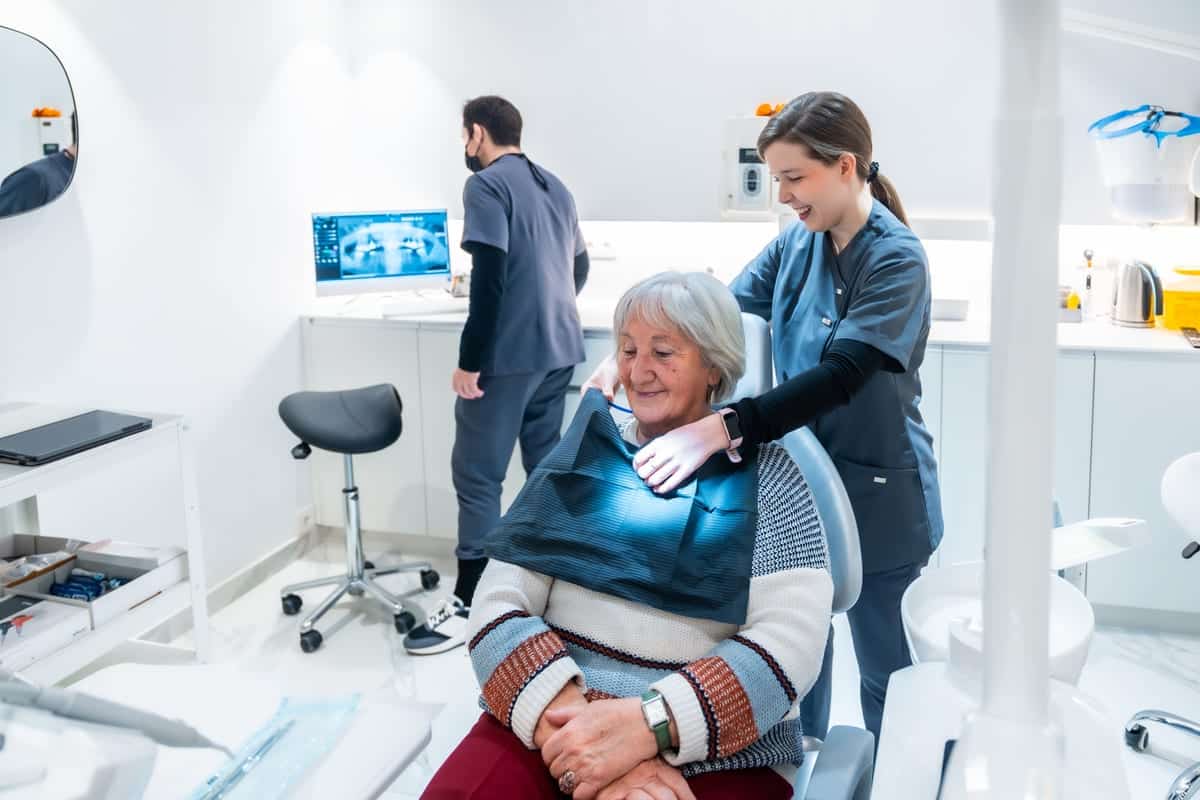
Many patients in Edinburg ask the same question before committing to a bridge: do dental bridges really last 15 years? The honest answer is — it depends. Some bridges last well beyond 15 years. Others fail within a decade. Understanding what determines bridge longevity helps you protect your investment and your smile. At Palm Valley Dental, Dr. Catherine Treviño helps patients make informed decisions about restorative care every day.
What Is the Average Lifespan of a Dental Bridge in Edinburg?
Most dental bridges last between 10 and 15 years. With excellent care, many patients enjoy their bridges for 20 years or more. However, that number is not guaranteed. It reflects an average across many patients with varying habits and oral health conditions.
The location of the bridge matters significantly. Bridges placed on back molars face much heavier chewing forces. That added pressure can wear down the restoration faster. Front-tooth bridges tend to experience less stress and often last longer.
The material used also influences durability. Porcelain-fused-to-metal bridges are strong but can chip over time. All-ceramic bridges look natural but may be less resilient under heavy bite pressure. Your dentist will recommend the best option based on your specific situation.
Key Factors That Shorten a Bridge’s Lifespan
Several habits and conditions accelerate bridge failure. Knowing these risks helps you avoid them proactively. Here are the most common factors that reduce how long a dental bridge lasts:
- Teeth grinding (bruxism): Grinding puts enormous stress on the bridge and supporting teeth.
- Poor oral hygiene: Plaque buildup under the bridge damages the abutment teeth that support it.
- Chewing hard foods: Ice, hard candy, and tough meats can crack or loosen a bridge.
- Skipping dental visits: Small problems go undetected and worsen over time.
- Gum disease: Deteriorating gum and bone tissue undermines the bridge’s foundation.
- Decay on abutment teeth: If the anchor teeth weaken, the entire bridge becomes unstable.
Bruxism is particularly common in patients who experience stress. A custom night guard can protect your bridge significantly. Dr. Treviño often recommends one for bridge patients who grind their teeth at night.
What Extends the Life of Your Dental Bridge
The good news is that many longevity factors are within your control. Patients who commit to consistent habits tend to get far more than 15 years from their bridge. Here is what makes the biggest difference:
- Daily flossing under the bridge: Use a floss threader or water flosser to clean beneath the pontic.
- Brushing twice daily: Use a soft-bristled brush and fluoride toothpaste.
- Routine dental cleanings: Visit your dentist every six months for professional cleaning and evaluation.
- Avoiding damaging habits: Do not chew ice, bite fingernails, or open packaging with your teeth.
- Wearing a night guard if needed: This protects both the bridge and surrounding teeth.
- Addressing problems early: Report any sensitivity, looseness, or pain right away.
Patients in Edinburg who follow these steps consistently give their bridges the best chance of lasting well into their second decade. Dr. Treviño emphasizes that maintenance is not optional — it is what separates a 10-year bridge from a 20-year one.
The Role of Your Dentist in Bridge Longevity
Your dentist plays a critical role in how long your bridge lasts. This starts from the very first appointment. Proper preparation of the abutment teeth is essential. If those teeth are not shaped correctly, the bridge will not fit securely.
Equally important is the quality of the dental cement used. A poorly bonded bridge can loosen prematurely. At Palm Valley Dental, Dr. Treviño uses precision techniques and quality materials to ensure a stable, long-lasting fit.
Regular follow-up appointments allow your dentist to catch early signs of trouble. Slight changes in bite, minor sensitivity, or early gum recession can all signal a problem. Catching these issues early prevents costly repairs later. Think of your dental checkups as maintenance appointments for your bridge — not just your natural teeth.
If you ever experience a dental emergency related to your bridge — such as a crack, loosening, or unexpected pain — prompt care is essential. Palm Valley Dental also offers Emergency Dental Care Edinburg patients can count on when something unexpected happens.
When to Consider Replacing Your Bridge
Even a well-maintained bridge will eventually need replacement. Knowing the warning signs helps you act before a small problem becomes a larger one. Schedule a visit if you notice any of the following:
The bridge feels loose or shifts when you bite. You experience sensitivity or pain around the anchor teeth. You notice visible cracks or chips in the restoration. Your gum tissue appears to be receding around the bridge. These are clear signals that an evaluation is overdue.
Sometimes a bridge simply reaches the end of its natural lifespan. In that case, Dr. Treviño will discuss your replacement options. Depending on your bone health and budget, a dental implant may be a strong alternative. Implants do not rely on adjacent teeth and often last even longer than bridges with proper care.
Palm Valley Dental also serves families across Edinburg, including younger patients who may need early restorative guidance. If you have children who need dental evaluations, explore our Pediatric Dentistry Edinburg services to keep the whole family healthy.
Conclusion: Your Bridge Can Last — If You Care for It
So, do dental bridges really last 15 years? Yes — and often much longer — when patients take care of them correctly. The lifespan of your bridge is largely in your hands. Daily hygiene, smart food choices, and consistent dental visits all add years to your restoration. Dr. Catherine Treviño and the team at Palm Valley Dental are here to guide you through every stage of your dental bridge journey in Edinburg, TX. Book Now to schedule your appointment with our team.
Frequently Asked Questions
How long do dental bridges typically last?
Most dental bridges last between 10 and 15 years. With excellent oral hygiene and regular dental visits, many patients in Edinburg enjoy their bridges for 20 years or more. The exact lifespan depends on the bridge’s location, material, and how well it is maintained.
Can a dental bridge last longer than 15 years?
Yes, absolutely. Many patients exceed the 15-year average. Consistent brushing, flossing under the bridge, wearing a night guard if needed, and attending regular checkups all significantly extend the life of your restoration.
What causes a dental bridge to fail early?
Common causes of early bridge failure include teeth grinding, poor oral hygiene, gum disease, decay on the abutment teeth, and chewing very hard foods. Skipping routine dental appointments also allows small problems to go undetected until they become serious.
Is a dental implant better than a bridge for long-term results?
Dental implants can last a lifetime with proper care, making them a strong long-term option. However, bridges are still an excellent and effective solution for many patients. Dr. Treviño will help you evaluate which option fits your oral health, bone structure, and goals.
How do I clean under my dental bridge properly?
Use a floss threader or water flosser to clean beneath the pontic (the false tooth) every day. Regular flossing prevents plaque buildup that can damage the anchor teeth and supporting gum tissue. Ask Dr. Treviño or our hygiene team for a personalized cleaning demonstration at your next visit.
Recent Post
November 16, 2026
Dental Crown vs. Filling: Which Is Right for You?
November 11, 2026
How to Care for Dental Crowns: Cleaning Tips That Last
November 10, 2026
Do Dental Bridges Really Last 15 Years? Here’s What Determines It

November 10, 2026
Your Temporary Crown: What to Eat, Clean, and Expect Next
October 29, 2026
10 Signs You May Need a Dental Bridge
Categories
Dental Health (35)
Patients love it here

My husband and I visited Palm Valley Dental, and it was a rewarding experience. Dr. Torres and Dr. Trevino are so patient, knowledgeable and professional. Caleb, the Dental Hygienist is also very thorough and courteous. The office staff are so pleasant and helpful as well.


Adalia De Luna
Literally, the first time ever at dentist, went in terrified, left informed on my dental care/plan, and scheduled my return visit for the in depth cleaning. Overall, great experience, staff & doctor were attentive, professional and very receptive to all my questions and even the nervousness I displayed.

Sandra Palomo
I love this place. Aside from the amazing and comprehensive dental services, customer service and my time are really important to me. It is rare to find everything I care about in one place.

Karla DeWald
Dr. Treviño and staff are wonderful!! Very clean environment. Dr is so good I had a filling adjustment without being numbed up!! If that doesn't tell you how good they are, I don't know what will!!

Issa Garcia
I love this place. Aside from the amazing and comprehensive dental services, customer service and my time are really important to me. It is rare to find everything I care about in one place.
Karla DeWald
After experiencing a few negative experiences at a previous dental practice, I cautiously decided to try this new dental place. I had a wonderful first visit here and felt a great relief after my appointment. Everyone I encountered was so kind and friendly, and all my concerns and questions were addressed. I highly recommend. 😊