
How to Care for Dental Crowns: Cleaning Tips That Last
November 11, 2026
Dental Crowns
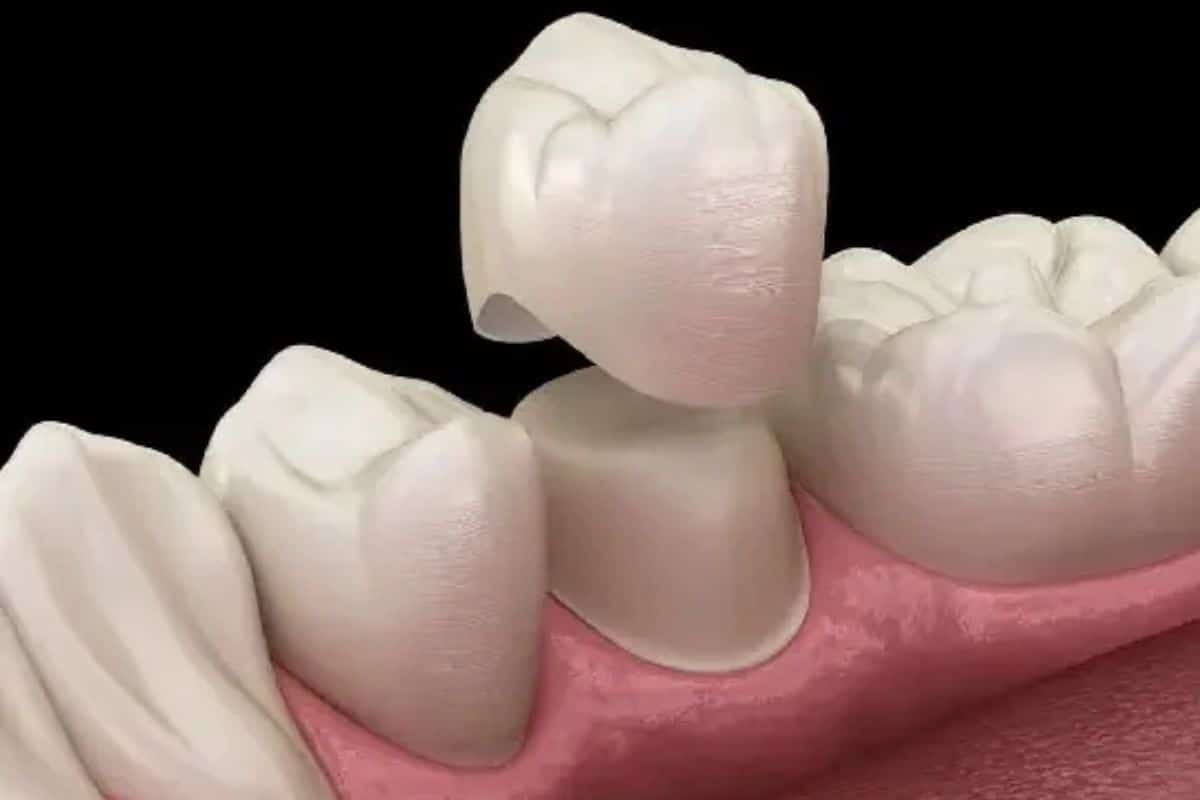
A dental crown helps restore a damaged tooth, improve its appearance, and support everyday activities like chewing and speaking. However, receiving a crown does not mean you can stop paying attention to that tooth. Like natural teeth, crowned teeth need consistent cleaning and regular professional care to stay in good condition.
Understanding how to care for dental crowns can help you protect your restoration, maintain healthy gums, and reduce the risk of problems around the crowned tooth. Whether you recently received a crown or have had one for several years, a few simple daily habits can make a difference.
At Palm Valley Dental, patients looking for dental crowns in Edinburg can explore restorative options designed to strengthen damaged teeth and improve smile appearance. Knowing how to maintain your crown after treatment is an important part of protecting your oral health.
Quick Answer: How Should You Care for Dental Crowns?
Care for dental crowns by brushing twice daily with a soft-bristled toothbrush and fluoride toothpaste, flossing or using another interdental cleaner once a day, and attending regular dental checkups. Avoid chewing ice and extremely hard or sticky foods. Contact your dental office if your crown becomes loose, cracks, or causes persistent discomfort.
1. Brush Your Teeth Twice a Day
Brushing is one of the most important parts of dental crown maintenance. Although the crown itself cannot develop a cavity, the natural tooth underneath and the surrounding gum tissue still need protection.
Food particles and plaque can collect around the edges of a crown, especially where it meets the gumline. If plaque remains in place, it may contribute to gum inflammation or decay in the underlying tooth.
Follow these brushing habits:
- Brush at least twice a day using fluoride toothpaste.
- Choose a soft-bristled toothbrush to clean without irritating your gums.
- Pay attention to the area where the crown meets the gumline.
- Use gentle, circular brushing motions rather than applying excessive pressure.
- Replace your toothbrush when the bristles become worn.
An electric toothbrush can also be helpful if you find it difficult to clean thoroughly with a manual toothbrush.
Remember that brushing too aggressively does not make your teeth cleaner. Gentle, consistent cleaning is a better approach.
2. Floss Around Your Dental Crown Every Day
Flossing is just as important as brushing when learning how to care for dental crowns. Your toothbrush cannot effectively reach every space between your teeth, including the areas around a crown.
Plaque and food debris can collect between crowned teeth and neighboring natural teeth. Regular interdental cleaning helps remove this buildup and supports healthier gums.
For effective flossing:
- Gently guide the floss between your teeth.
- Curve it around the side of each tooth.
- Move it carefully along the gumline.
- Avoid snapping the floss against your gums.
- Repeat the process for the spaces surrounding your crown.
If traditional floss is difficult to use, consider floss holders, interdental brushes, or a water flosser. Ask your dental professional which option is appropriate for your teeth and restoration.
Important: If you have a temporary crown, follow your dental office’s specific flossing instructions. Removing floss incorrectly can sometimes loosen a temporary restoration.
3. Be Careful With Hard and Sticky Foods
Dental crowns are designed to withstand normal chewing forces, but they are not indestructible. Biting down on extremely hard objects or repeatedly chewing sticky foods may damage or loosen a restoration.
Some foods and habits worth avoiding include:
- Ice cubes
- Hard candies
- Unpopped popcorn kernels
- Very hard nuts
- Caramel and sticky candies
- Chewing on pens, pencils, or fingernails
You do not necessarily need to avoid every crunchy food. However, be mindful of how much pressure you place on your crowned tooth, particularly if it has previously experienced damage.
Cutting harder foods into smaller pieces and chewing carefully can help reduce unnecessary pressure.
If you have recently received a crown, follow the specific eating instructions provided by your dental office, especially while a temporary crown is in place.
4. Protect Your Crown From Teeth Grinding
Do you wake up with a sore jaw or notice that you clench your teeth during stressful situations? These habits may put additional pressure on your dental crown.
Teeth grinding, also called bruxism, can gradually wear down dental restorations. Depending on the amount of pressure involved, it may contribute to chips, cracks, or other damage.
If you grind or clench your teeth, discuss it during your dental appointment. Your dental professional may recommend a custom night guard to help protect your teeth and restorations while you sleep.
Avoid using your crowned teeth to open packages, bite fingernails, or break hard objects. These actions create unnecessary stress that can be prevented with simple changes.
5. Keep Your Gums Healthy Around the Crown
A dental crown restores the visible portion of a tooth, but the health of the surrounding gums remains important.
Inflamed or irritated gums can make it harder to maintain a clean environment around your restoration. Consistent oral hygiene helps keep plaque under control and supports the tissues surrounding the crowned tooth.
To maintain healthy gums:
- Brush gently along the gumline.
- Clean between your teeth daily.
- Use an appropriate mouth rinse if recommended by your dental professional.
- Avoid skipping your regular dental cleanings.
- Pay attention to bleeding, swelling, or persistent gum tenderness.
If your gums repeatedly bleed or become swollen around a crown, arrange a dental evaluation rather than assuming the irritation will resolve on its own.
6. Schedule Regular Dental Checkups
Even if your crown looks perfectly normal, regular dental examinations are important. Some problems develop around the edges of a restoration without causing noticeable symptoms at first.
During a dental examination, your provider can evaluate the crown, surrounding gums, bite, and underlying tooth as appropriate.
Regular visits may help identify concerns such as:
- Cracks or chips in the crown
- Changes in how your teeth fit together
- Gum inflammation around the restoration
- Decay developing near the crown’s margins
- Signs of excessive wear or grinding
Your recommended visit schedule will depend on your individual oral health needs. Professional cleanings also help remove hardened plaque that cannot be eliminated with brushing and flossing alone.
7. Know When Your Dental Crown Needs Attention
Dental crowns can experience wear or damage over time. Recognizing changes early can help you seek appropriate care before a minor concern becomes more complicated.
Dental crowns can experience wear or damage over time. Recognizing changes early can help you seek appropriate care before a minor concern becomes more complicated. If you are experiencing tooth pain, visible cracks, or difficulty chewing, understanding the signs you need dental crowns can help you recognize when it may be time to schedule a dental evaluation.
Contact your dental office if you notice:
- A crown that feels loose or moves when chewing
- A visible crack or chipped area
- New or persistent sensitivity
- Pain when biting or chewing
- Swelling or tenderness around the crowned tooth
- Food frequently becoming trapped around the crown
A crown that comes off should not be ignored. Keep the restoration safe and contact your dental office for instructions. Do not attempt to permanently reattach it using household glue or other adhesives.
If you experience significant swelling, severe pain, or signs of spreading infection, seek prompt professional care.
How Long Can a Dental Crown Last?
The lifespan of a dental crown depends on several factors, including its material, placement, bite forces, oral hygiene, and everyday habits.
Some crowns remain functional for many years, while others may require repair or replacement sooner because of damage, wear, or changes in the underlying tooth.
Good maintenance cannot guarantee a particular lifespan, but it can help reduce preventable problems.
The best approach is to combine daily cleaning, careful eating habits, protection against grinding, and regular dental examinations.
FAQs About Dental Crown Care
1. Can I brush my dental crown like a normal tooth?
Yes. You can generally brush a permanent dental crown just like your natural teeth. Use a soft-bristled toothbrush and fluoride toothpaste twice daily. Pay particular attention to the gumline surrounding the crown.
2. Can dental crowns get cavities?
The crown material itself cannot develop tooth decay. However, the natural tooth underneath and around the crown can still develop cavities. This is why brushing, flossing, and regular dental examinations remain essential.
3. Should I use special toothpaste for dental crowns?
Most people with permanent dental crowns can use regular fluoride toothpaste. A special toothpaste is not usually necessary. If you have sensitivity or other oral health concerns, ask your dental professional to recommend an appropriate product.
4. What should I do if my dental crown feels loose?
Contact your dental office promptly, even if the crown is not causing pain. Avoid chewing on that side and do not attempt to glue the crown back yourself. A dental professional needs to evaluate the restoration and determine the appropriate next step.
5. Can I eat normally after getting a dental crown?
Once your permanent crown has been placed and your dental professional has cleared you to eat normally, you can generally enjoy a regular diet. However, avoid chewing ice and extremely hard or sticky foods that could damage the restoration. Follow any additional instructions provided by your dental office.
Protect Your Dental Crown With Consistent Care
A dental crown is an investment in restoring the strength, function, and appearance of your smile. Keeping it in good condition does not require an overly complicated routine. Brushing twice daily, flossing consistently, choosing foods carefully, and attending regular dental checkups are practical steps that support long-term oral health.
If you have questions about an existing crown or are experiencing discomfort, the team at Palm Valley Dental can help evaluate your concerns and discuss appropriate treatment options.
Patients looking for dental crown services in Edinburg, can contact Palm Valley Dental to schedule an appointment.
Patients in Edinburg can explore Palm Valley Dental’s local practice information to find the office location, directions, and other helpful business details.
Taking care of your crown today can help you maintain a healthier, more confident smile for years to come.
Recent Post
November 16, 2026
Dental Crown vs. Filling: Which Is Right for You?
November 11, 2026
How to Care for Dental Crowns: Cleaning Tips That Last
November 10, 2026
Do Dental Bridges Really Last 15 Years? Here’s What Determines It

November 10, 2026
Your Temporary Crown: What to Eat, Clean, and Expect Next
October 29, 2026
10 Signs You May Need a Dental Bridge
Categories
Dental Crowns (20)
Patients love it here

My husband and I visited Palm Valley Dental, and it was a rewarding experience. Dr. Torres and Dr. Trevino are so patient, knowledgeable and professional. Caleb, the Dental Hygienist is also very thorough and courteous. The office staff are so pleasant and helpful as well.


Adalia De Luna
Literally, the first time ever at dentist, went in terrified, left informed on my dental care/plan, and scheduled my return visit for the in depth cleaning. Overall, great experience, staff & doctor were attentive, professional and very receptive to all my questions and even the nervousness I displayed.

Sandra Palomo
I love this place. Aside from the amazing and comprehensive dental services, customer service and my time are really important to me. It is rare to find everything I care about in one place.

Karla DeWald
Dr. Treviño and staff are wonderful!! Very clean environment. Dr is so good I had a filling adjustment without being numbed up!! If that doesn't tell you how good they are, I don't know what will!!

Issa Garcia
I love this place. Aside from the amazing and comprehensive dental services, customer service and my time are really important to me. It is rare to find everything I care about in one place.
Karla DeWald
After experiencing a few negative experiences at a previous dental practice, I cautiously decided to try this new dental place. I had a wonderful first visit here and felt a great relief after my appointment. Everyone I encountered was so kind and friendly, and all my concerns and questions were addressed. I highly recommend. 😊