
Can a Dental Crown Be Adjusted After Cementing?
April 15, 2025
Dental Crowns
Dental crowns are essential for restoring damaged or decayed teeth, providing protection, and improving the overall appearance of your smile. Once a dental crown is cemented onto your tooth, it stays in place permanently. But what if you need adjustments after the cement has been set? Let’s explore this common question and dive into what can be done if your crown needs to be altered.
Understanding the Crown Placement Process
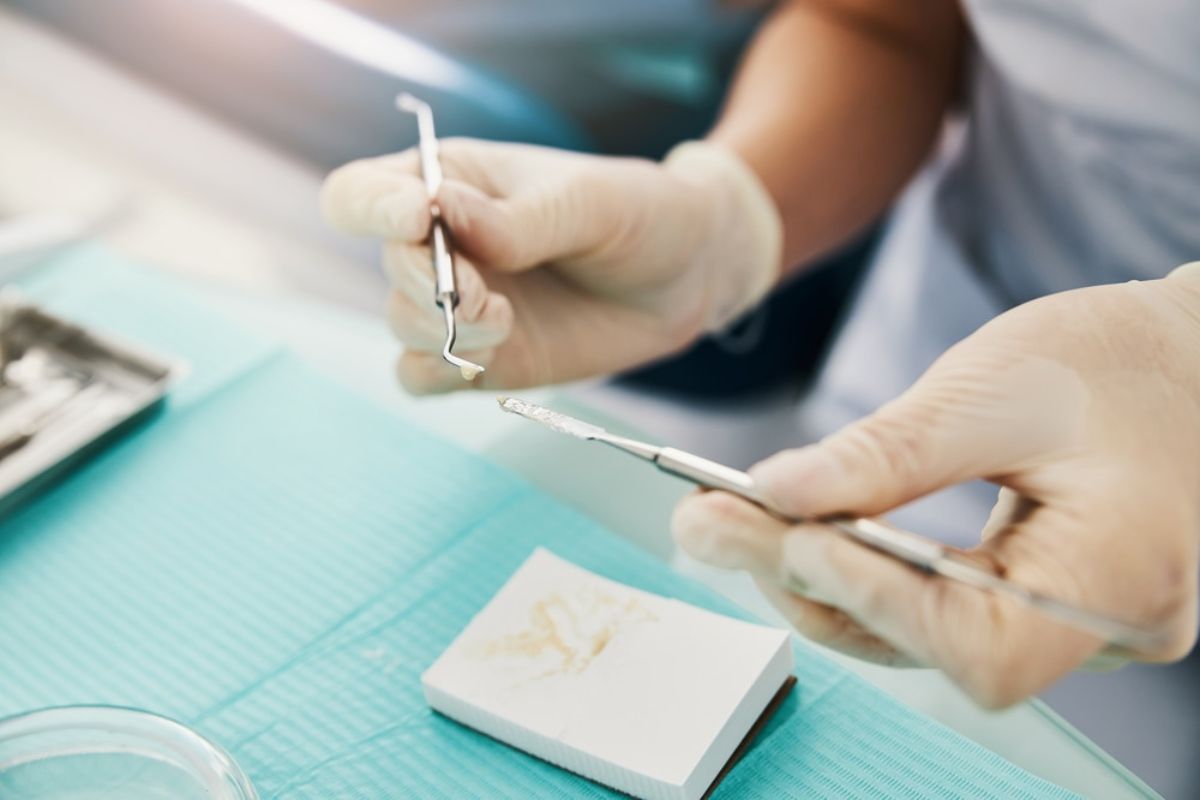
When your dentist places a crown, they first prepare the underlying tooth by removing any decayed tissue and shaping it to fit the crown snugly. After this, the dentist places a temporary crown until your permanent one is ready. Once the permanent crown is fitted, the dentist uses dental cement to secure it. This process is typically exact to ensure the crown aligns perfectly with your bite and fits comfortably.
However, despite careful preparation and placement, there are situations where the crown may need adjustments after it is cemented.
Can You Adjust a Crown After Cementing?
Adjusting a dental crown after cements is usually possible but limited. If the crown feels too high, doesn’t align with your bite, or causes discomfort, your dentist can adjust it. Your dentist can usually make minor tweaks, such as reshaping the crown to improve the fit or smoothing out rough edges. Your dentist may even remove the cement to reposition or replace the crown if it doesn’t fit properly.
It’s important to note that while minor adjustments are common, more significant changes, like altering the entire shape or size of the crown, may not be feasible after cementing. If the crown is too damaged or doesn’t fit correctly, it may need to be replaced entirely.
If you notice discomfort or issues with your crown, visit your dentist as soon as possible. Prolonged discomfort could lead to further complications, such as gum irritation or tooth sensitivity.
Why Might a Dental Crown Need Adjustments?
Several reasons can cause you to seek adjustments to your dental crown, even after it has been cemented. Some of the common issues include:
Bite Issues: A crown that feels too high or doesn’t align with your natural bite can cause discomfort and difficulty chewing.
Loose or Shifting Crown: Over time, the bond between the cement and the crown may weaken, causing the crown to shift or loosen.
Discomfort or Sensitivity: If your crown presses on the gums or the underlying tooth uncomfortably, adjustments may be needed.
Wear and Tear: As with any dental restoration, crowns can wear down over time, requiring periodic adjustments or replacements.
If you’re experiencing any of these issues with your crown, seeking professional care from a dentist is essential. In Edinburg, many practices offer comprehensive services to ensure your dental crowns continue to serve their purpose effectively.
Taking Care of Your Dental Crown
Proper care of your crown can help minimize the need for adjustments. Regular brushing, flossing, and check-ups with your dentist are essential to ensuring the longevity of your crown. Avoid habits like chewing on hard objects or grinding your teeth, as these can damage the crown and increase the likelihood of needing adjustments.
Ready for a Dental Crown Check-Up?
If you’ve had a crown placed recently or are concerned about adjustments, don’t hesitate to contact your local dental office. Whether in Edinburg or elsewhere, a dental check-up can ensure your crown is in top condition. Schedule your appointment today, and keep your smile healthy and beautiful!
Recent Post

October 6, 2026
How to Clean Dentures: A Daily Care Routine

September 25, 2026
Signs of Cavities in Children: What Parents Should Know
September 17, 2026
How Long Do Dentures Last? Signs to Replace Them

September 14, 2026
What Foods Can You Eat After Dental Implant Surgery?

September 8, 2026
10 Signs You May Need Root Canal Treatment
Categories
Dental Crowns (18)
Patients love it here

My husband and I visited Palm Valley Dental, and it was a rewarding experience. Dr. Torres and Dr. Trevino are so patient, knowledgeable and professional. Caleb, the Dental Hygienist is also very thorough and courteous. The office staff are so pleasant and helpful as well.


Adalia De Luna
Literally, the first time ever at dentist, went in terrified, left informed on my dental care/plan, and scheduled my return visit for the in depth cleaning. Overall, great experience, staff & doctor were attentive, professional and very receptive to all my questions and even the nervousness I displayed.

Sandra Palomo
I love this place. Aside from the amazing and comprehensive dental services, customer service and my time are really important to me. It is rare to find everything I care about in one place.

Karla DeWald
Dr. Treviño and staff are wonderful!! Very clean environment. Dr is so good I had a filling adjustment without being numbed up!! If that doesn't tell you how good they are, I don't know what will!!

Issa Garcia
I love this place. Aside from the amazing and comprehensive dental services, customer service and my time are really important to me. It is rare to find everything I care about in one place.
Karla DeWald
After experiencing a few negative experiences at a previous dental practice, I cautiously decided to try this new dental place. I had a wonderful first visit here and felt a great relief after my appointment. Everyone I encountered was so kind and friendly, and all my concerns and questions were addressed. I highly recommend. 😊