
Common Dental Problems in Children and How to Prevent Them
August 10, 2026
Pediatric Dentistry
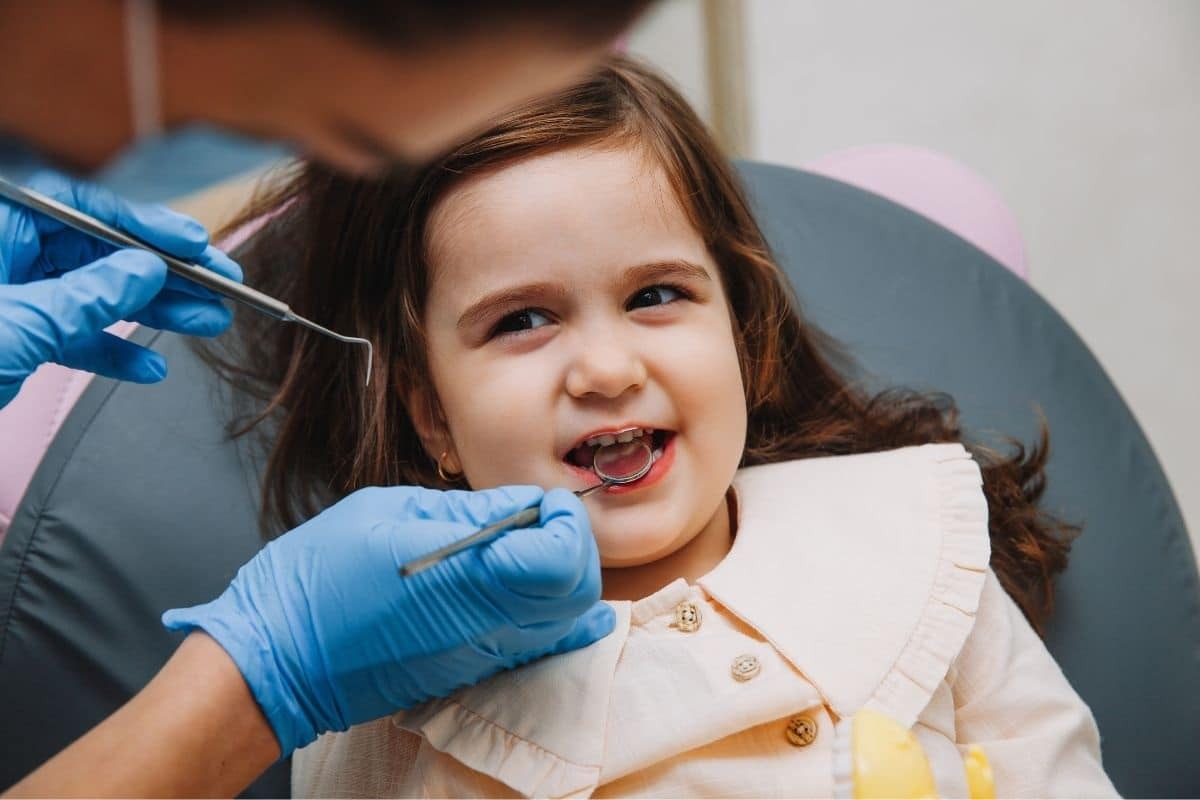
Parents want their children to grow up with healthy, confident smiles. However, many kids experience oral health issues that can affect their comfort, eating habits, speech, and overall well-being. Understanding the common dental problems in children can help parents take action before small concerns become bigger problems.
Regular checkups, healthy habits, and early treatment make a significant difference. If you’re looking for pediatric dental care in Edinburg, Palm Valley Dental offers compassionate care designed to help children maintain healthy smiles from infancy through the teenage years.
Quick Answer
The common dental problems in children include cavities, tooth decay, gum disease, thumb-sucking-related bite problems, dental injuries, and early tooth loss. Most of these conditions can be prevented with good brushing habits, healthy nutrition, regular dental visits, fluoride protection, and early professional treatment when needed.
What Are the Most Common Dental Problems in Children?
Children’s teeth are still developing, making them more vulnerable to oral health issues. Identifying problems early often leads to simpler, less invasive treatment.
Tooth Decay (Cavities)
Cavities remain one of the most common chronic childhood conditions. Bacteria feed on sugars left on the teeth, producing acids that gradually damage tooth enamel.
Signs may include:
- Tooth sensitivity
- Brown or white spots
- Pain while eating
- Visible holes in the teeth
Daily brushing with fluoride toothpaste and limiting sugary snacks greatly reduce cavity risk.
Gum Inflammation (Gingivitis)
Many parents are surprised to learn that children can develop gum disease. Gingivitis occurs when plaque builds up along the gumline.
Common symptoms include:
- Red gums
- Swollen gums
- Bleeding during brushing
- Bad breath
Fortunately, gingivitis is usually reversible with improved oral hygiene and professional dental cleanings.
Thumb Sucking and Pacifier Habits
Thumb sucking is perfectly normal during infancy, but prolonged habits after age 4 may affect jaw development and tooth alignment.
Potential concerns include:
- Open bite
- Overbite
- Speech development issues
- Misaligned permanent teeth
Your pediatric dentist can recommend gentle strategies to help children stop these habits at the appropriate age.
Dental Injuries
Children love to run, climb, and play sports, making chipped, cracked, or knocked-out teeth relatively common.
If a dental injury occurs:
- Stay calm.
- Contact your dentist immediately.
- Preserve any broken tooth fragments if possible.
- Apply a cold compress for swelling.
Prompt treatment often improves the chances of saving the tooth.
Early Tooth Loss
Baby teeth hold space for permanent teeth. Losing them too early due to decay or injury may allow neighboring teeth to shift, causing crowding or bite problems later.
Your dentist may recommend a space maintainer to protect future tooth alignment.
Why Early Dental Visits Matter
Many oral health problems begin before parents notice visible symptoms. Routine dental exams allow dentists to identify concerns early, monitor growth, and provide preventive treatments.
Professional pediatric dental visits may include:
- Comprehensive oral exams
- Professional cleanings
- Fluoride treatments
- Dental sealants
- Growth and bite evaluations
- Oral hygiene education
These visits also help children become comfortable in the dental office, reducing anxiety as they grow. If you’d like to learn more about the long-term benefits of early dental care, read our guide on how a pediatric dentist can improve your child’s oral health.
How Parents Can Prevent Common Dental Problems in Children
The good news is that many childhood dental problems are preventable with consistent home care and regular professional visits.
Build Healthy Brushing Habits
Children should brush twice daily using fluoride toothpaste.
Helpful tips include:
- Supervise brushing until around age 7 or 8.
- Use a soft-bristled toothbrush.
- Brush for two full minutes.
- Replace toothbrushes every three months.
Encourage Healthy Eating
Diet plays a major role in oral health.
Choose foods like:
- Fresh fruits
- Vegetables
- Cheese
- Yogurt
- Whole grains
- Lean proteins
Limit:
- Sticky candy
- Sugary drinks
- Frequent snacking
- Sports drinks
Water remains the best beverage for healthy teeth.
Don’t Skip Regular Dental Checkups
Most children benefit from dental visits every six months, although some may need more frequent appointments depending on their individual risk.
Regular preventive care helps detect problems before they become painful or expensive to treat.
Consider Dental Sealants
Sealants are thin protective coatings placed on the chewing surfaces of molars.
They help:
- Prevent food from becoming trapped
- Reduce cavity risk
- Protect hard-to-clean grooves
Sealants are especially beneficial for school-aged children.
Use Fluoride Wisely
Fluoride strengthens enamel and helps reverse early stages of tooth decay.
Your dentist can recommend:
- Appropriate toothpaste
- Professional fluoride varnish
- Community water fluoride guidance
When Should Parents Schedule a Dental Visit?
Schedule an appointment if your child experiences:
- Tooth pain
- Bleeding gums
- Tooth sensitivity
- Persistent bad breath
- Swelling
- Broken teeth
- White or brown spots on teeth
- Difficulty chewing
Early evaluation often prevents more extensive treatment later.
Conclusion
Understanding the common dental problems in children allows parents to take simple steps that protect their child’s smile for years to come. Daily brushing, healthy eating habits, fluoride protection, and regular dental visits all play an important role in preventing cavities, gum disease, and other oral health concerns.
If your child is due for a dental checkup or you’re concerned about their oral health, schedule an appointment with Palm Valley Dental. Our friendly team is dedicated to providing compassionate care for children in Edinburg and surrounding communities.
Call us today at +1 9563292808 to schedule your child’s appointment and help them enjoy a lifetime of healthy smiles.
Want to stay informed about dental tips, office updates, and patient experiences? Read our latest Google reviews to see what local families are saying about their experience at Palm Valley Dental and learn why so many parents in Edinburg trust us with their children’s smiles.
FAQ Section
What is the most common dental problem in children?
Tooth decay is the most common dental problem in children. Cavities develop when plaque bacteria combine with sugars to produce acids that weaken tooth enamel. Regular brushing, fluoride, healthy eating, and routine dental visits significantly reduce the risk.
At what age should my child first visit the dentist?
The American Academy of Pediatric Dentistry recommends scheduling a child’s first dental visit by their first birthday or within six months after the first tooth appears. Early visits help establish healthy habits and identify potential concerns early.
How can I prevent cavities in my child’s teeth?
Help your child brush twice daily with fluoride toothpaste, limit sugary foods and drinks, encourage water instead of sugary beverages, schedule regular dental checkups, and ask your dentist about fluoride treatments or dental sealants.
Are baby teeth really that important?
Yes. Baby teeth help children chew, speak clearly, and guide permanent teeth into their proper positions. Losing them too early due to decay or injury can increase the risk of alignment problems later.
What should I do if my child chips or knocks out a tooth?
Contact your dentist as soon as possible. Quick treatment can improve the chances of saving the tooth or preventing complications. Until your appointment, control any bleeding, apply a cold compress if needed, and follow your dentist’s instructions.
Recent Post

October 6, 2026
How to Clean Dentures: A Daily Care Routine

September 25, 2026
Signs of Cavities in Children: What Parents Should Know
September 17, 2026
How Long Do Dentures Last? Signs to Replace Them

September 14, 2026
What Foods Can You Eat After Dental Implant Surgery?

September 8, 2026
10 Signs You May Need Root Canal Treatment
Categories
Pediatric Dentistry (31)
Patients love it here

My husband and I visited Palm Valley Dental, and it was a rewarding experience. Dr. Torres and Dr. Trevino are so patient, knowledgeable and professional. Caleb, the Dental Hygienist is also very thorough and courteous. The office staff are so pleasant and helpful as well.


Adalia De Luna
Literally, the first time ever at dentist, went in terrified, left informed on my dental care/plan, and scheduled my return visit for the in depth cleaning. Overall, great experience, staff & doctor were attentive, professional and very receptive to all my questions and even the nervousness I displayed.

Sandra Palomo
I love this place. Aside from the amazing and comprehensive dental services, customer service and my time are really important to me. It is rare to find everything I care about in one place.

Karla DeWald
Dr. Treviño and staff are wonderful!! Very clean environment. Dr is so good I had a filling adjustment without being numbed up!! If that doesn't tell you how good they are, I don't know what will!!

Issa Garcia
I love this place. Aside from the amazing and comprehensive dental services, customer service and my time are really important to me. It is rare to find everything I care about in one place.
Karla DeWald
After experiencing a few negative experiences at a previous dental practice, I cautiously decided to try this new dental place. I had a wonderful first visit here and felt a great relief after my appointment. Everyone I encountered was so kind and friendly, and all my concerns and questions were addressed. I highly recommend. 😊