

Dental Implants vs Dentures: Which Option Is Right for You?
July 15, 2026
Dental Implants
Missing teeth can affect much more than your appearance. They can make eating, speaking, and smiling feel uncomfortable while also impacting your long-term oral health. If you’re trying to decide between Dental Implants vs Dentures, you’re not alone. Many patients in Edinburg, TX ask this same question when looking for a lasting solution to restore their smile.
At Palm Valley Dental, we believe every smile is unique. Whether you’ve lost one tooth or several, understanding your treatment options helps you make a confident decision. If you’re exploring Dental Implants in Edinburg, knowing how implants compare with traditional dentures is the first step toward choosing the right solution for your lifestyle and oral health goals.
Quick Answer
Dental Implants vs Dentures: Dental implants are permanent tooth replacements that look, feel, and function like natural teeth, while dentures are removable appliances designed to replace multiple missing teeth. Implants typically provide greater stability and preserve jawbone health, whereas dentures are often a more affordable upfront option. The right choice depends on your oral health, budget, and personal preferences.
Understanding Dental Implants vs Dentures
Both dental implants and dentures replace missing teeth, but they work in very different ways.
What Are Dental Implants?
Dental implants are small titanium posts placed into the jawbone to replace missing tooth roots. After healing, a custom crown, bridge, or denture is attached to the implant.
Benefits include:
- Natural appearance and feel
- Excellent chewing ability
- Long-lasting solution
- Helps prevent jawbone loss
- Doesn’t affect neighboring teeth
Because implants fuse with the bone through osseointegration, they become a stable and reliable foundation for replacement teeth.
What Are Dentures?
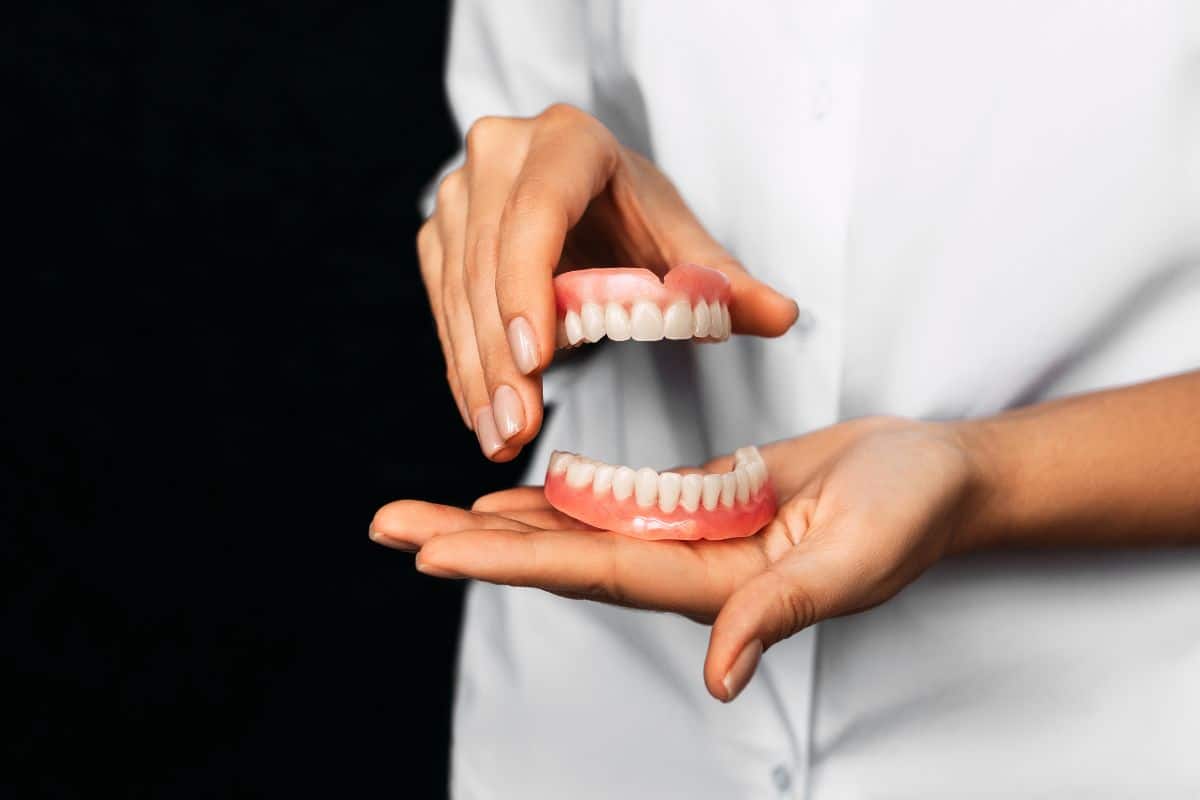
Dentures are removable prosthetic appliances that replace several or all missing teeth. They are custom-made to fit comfortably over your gums.
Common types include:
- Full dentures
- Partial dentures
- Implant-supported dentures
Modern dentures are more comfortable than older versions, but they may still require adjustments over time.
Dental Implants vs Dentures: Side-by-Side Comparison
Comfort
Dental implants become part of your jawbone, making them feel similar to natural teeth.
Dentures rest on the gums and may occasionally shift, especially during eating or speaking.
Appearance
Both options can restore your smile beautifully. However, implants generally provide the most natural appearance because they emerge from the gums like real teeth.
Eating Ability
Dental implants allow patients to enjoy a wider variety of foods with confidence.
Denture wearers may need to avoid very sticky, hard, or chewy foods to prevent movement.
Longevity
With excellent oral hygiene and routine dental care, dental implants can last for decades. If you’d like to learn more about what affects their lifespan and how to keep them in excellent condition, read our guide on how long do dental implants last?
Dentures generally need adjustments, relining, or replacement every several years due to normal wear and changes in the jaw.
Jawbone Health
One of the biggest differences between Dental Implants vs Dentures is bone preservation.
Implants stimulate the jawbone, helping prevent bone loss after tooth loss.
Traditional dentures do not stimulate the bone, so gradual bone shrinkage may occur over time.
Which Option Is Better for Different Patients?
The right treatment depends on several personal factors.
Dental implants may be ideal if you:
- Have healthy gums
- Have enough jawbone
- Want a permanent solution
- Prefer minimal maintenance
- Value long-term durability
Dentures may be a good option if you:
- Need to replace many teeth quickly
- Prefer a lower upfront investment
- Have certain medical conditions affecting surgery
- Need a removable restoration
Your dentist will perform a complete evaluation before recommending the most suitable treatment.
What Is the Treatment Process?
Dental Implant Process
The implant journey usually includes:
- Comprehensive dental examination
- Digital imaging and treatment planning
- Implant placement
- Healing period
- Final restoration placement
Healing times vary depending on each patient’s needs.
Denture Process
Getting dentures typically involves:
- Oral examination
- Dental impressions
- Custom fabrication
- Fitting appointment
- Follow-up adjustments
Both treatments require regular dental visits to maintain comfort and oral health.
Cost Considerations
Cost is an important factor when comparing Dental Implants vs Dentures.
Dental implants usually have a higher initial investment because they involve surgery, advanced planning, and custom restorations. However, they often require fewer replacements over the years.
Dentures generally cost less upfront, but maintenance, relining, repairs, and eventual replacement may increase long-term expenses.
The best value depends on your individual needs rather than the initial price alone.
Caring for Your New Smile
Whether you choose implants or dentures, proper care helps protect your investment.
Caring for Dental Implants
- Brush twice daily
- Floss around implants
- Visit your dentist regularly
- Avoid tobacco products
- Wear a nightguard if recommended
Caring for Dentures
- Remove dentures daily for cleaning
- Soak them overnight as instructed
- Handle carefully to avoid damage
- Keep your gums clean
- Attend routine adjustment appointments
Consistent oral hygiene supports healthy gums and long-lasting results.
Frequently Asked Questions
Is it better to get dental implants or dentures?
There isn’t a one-size-fits-all answer. Dental implants offer greater stability, bone preservation, and longevity, while dentures provide an affordable solution for replacing multiple missing teeth. Your dentist can recommend the best option after evaluating your oral health.
How long do dental implants last?
With proper care and regular dental checkups, dental implants can last for decades. Good oral hygiene and healthy gums are key factors in maintaining long-term success.
Are dentures uncomfortable?
Today’s dentures are custom-made for improved comfort. While there may be a short adjustment period, most patients adapt well. Periodic adjustments may be needed as your gums and jawbone naturally change over time.
Can I switch from dentures to dental implants later?
Yes. Many patients begin with dentures and later choose dental implants. Your dentist will evaluate your bone health and determine whether implant treatment is appropriate.
Do dental implants look more natural than dentures?
Both options can provide attractive results, but dental implants generally offer the closest appearance and function to natural teeth because they are securely anchored within the jawbone.
Conclusion
When comparing Dental Implants vs Dentures, the best choice depends on your oral health, lifestyle, goals, and budget. Dental implants provide exceptional stability and long-term benefits, while dentures remain an effective solution for many patients seeking to replace missing teeth.
If you’re ready to explore your options, schedule a consultation with Palm Valley Dental in Edinburg, TX. Our experienced team will help you understand every treatment option and develop a personalized plan for restoring your smile. Call us today at +1 9563292808 to book your appointment and take the next step toward lasting oral health.
Want to learn more about our office, patient experiences, and the latest dental tips? Visit our Google Business Profile to explore recent updates, office news, and reviews from local patients who trust Palm Valley Dental for their smile care.
Recent Post

October 6, 2026
How to Clean Dentures: A Daily Care Routine

September 25, 2026
Signs of Cavities in Children: What Parents Should Know
September 17, 2026
How Long Do Dentures Last? Signs to Replace Them

September 14, 2026
What Foods Can You Eat After Dental Implant Surgery?

September 8, 2026
10 Signs You May Need Root Canal Treatment
Categories
Dental Implants (11)
Patients love it here

My husband and I visited Palm Valley Dental, and it was a rewarding experience. Dr. Torres and Dr. Trevino are so patient, knowledgeable and professional. Caleb, the Dental Hygienist is also very thorough and courteous. The office staff are so pleasant and helpful as well.


Adalia De Luna
Literally, the first time ever at dentist, went in terrified, left informed on my dental care/plan, and scheduled my return visit for the in depth cleaning. Overall, great experience, staff & doctor were attentive, professional and very receptive to all my questions and even the nervousness I displayed.

Sandra Palomo
I love this place. Aside from the amazing and comprehensive dental services, customer service and my time are really important to me. It is rare to find everything I care about in one place.

Karla DeWald
Dr. Treviño and staff are wonderful!! Very clean environment. Dr is so good I had a filling adjustment without being numbed up!! If that doesn't tell you how good they are, I don't know what will!!

Issa Garcia
I love this place. Aside from the amazing and comprehensive dental services, customer service and my time are really important to me. It is rare to find everything I care about in one place.
Karla DeWald
After experiencing a few negative experiences at a previous dental practice, I cautiously decided to try this new dental place. I had a wonderful first visit here and felt a great relief after my appointment. Everyone I encountered was so kind and friendly, and all my concerns and questions were addressed. I highly recommend. 😊