

Foods You Should Avoid While Wearing Dentures
August 18, 2026
Dentures
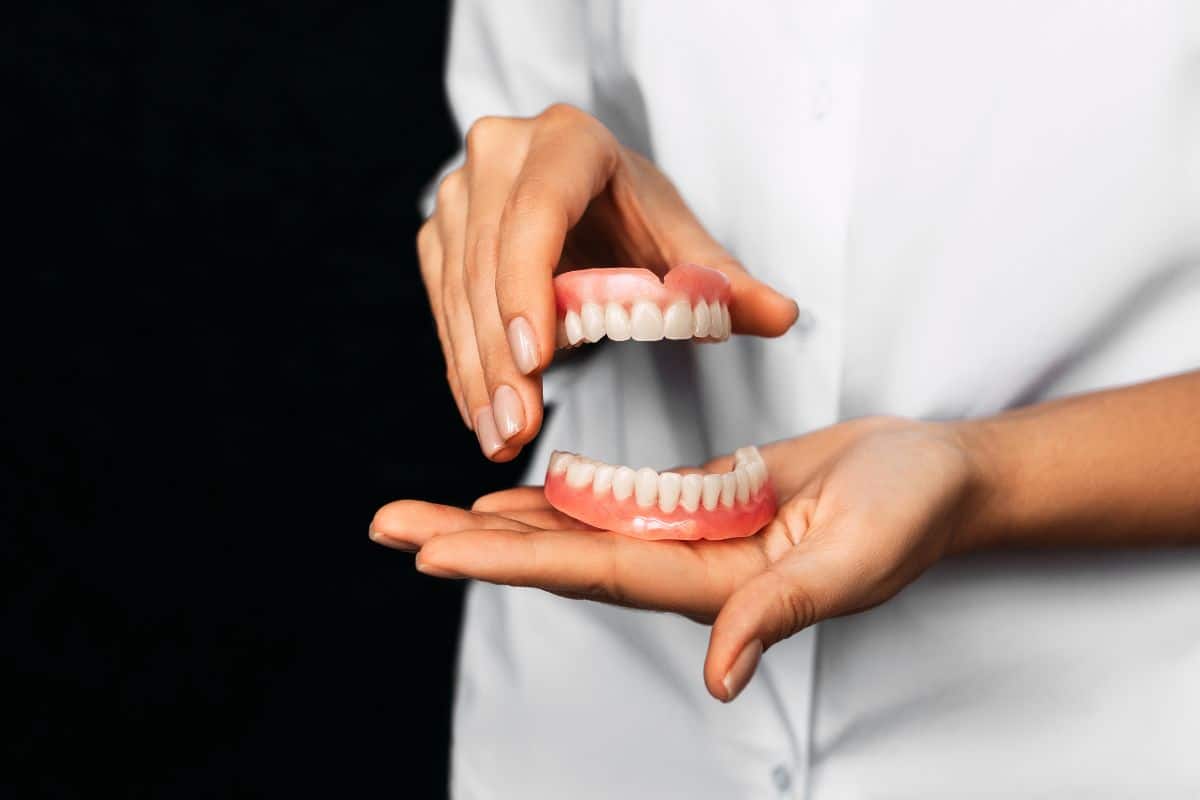
Getting used to dentures can make everyday activities like eating feel a little different. Some foods may cause slipping, discomfort, irritation, or difficulty chewing, especially during the first few weeks.
Knowing the foods to avoid with dentures can help protect your gums, improve comfort, and make meals easier. If you wear dentures in Edinburg, TX, Palm Valley Dental can also help you find solutions when your dentures do not feel secure or comfortable.
Quick Answer
The main foods to avoid with dentures are sticky, hard, chewy, crunchy, and tough foods. Caramel, chewing gum, hard nuts, raw carrots, tough meats, and foods with small seeds can make dentures move or become uncomfortable. Softer foods cut into small pieces are usually easier to manage, especially when you are adjusting to new dentures.
Why Certain Foods Can Be Difficult With Dentures
Natural teeth are anchored into the jawbone, while removable dentures rest on the gums. Because of this difference, dentures can move slightly during chewing, particularly if they do not fit properly.
Certain foods require more biting force or repeated chewing. Sticky foods can pull on dentures, while hard foods may put too much pressure on specific areas of the gums.
This does not mean you have to give up all your favorite foods. In many cases, changing how you prepare and eat food can make a big difference.
Foods to Avoid With Dentures
1. Sticky and Chewy Foods
Sticky foods can pull dentures out of position. They may also become trapped between the denture and gum tissue.
Try to limit:
- Caramel and taffy
- Chewing gum
- Sticky candy
- Gummy snacks
- Very chewy dried fruit
- Thick, sticky peanut butter
If you want something sweet, softer desserts that do not cling to the denture surface may be easier to manage.
2. Hard Foods
Hard foods can be challenging because they require strong biting pressure. Biting directly into a hard food with your front teeth can also cause a denture to shift.
Examples include:
- Hard candies
- Ice
- Whole nuts
- Hard pretzels
- Raw carrots
- Very firm apples
- Hard crusts of bread
Instead of biting into an apple or raw vegetable, cut it into small pieces or cook it until it becomes softer.
3. Tough or Fibrous Meats
Tough meat can require a lot of chewing and may be difficult to break down with dentures.
Steak, chewy cuts of beef, and other fibrous meats may be easier if they are slow-cooked until tender. Cutting meat into small pieces can also reduce the amount of force needed while chewing.
Tender fish, eggs, ground meat, and slow-cooked poultry are often easier choices.
4. Crunchy Foods
Crunchy foods can place extra pressure on dentures and may be difficult to chew evenly.
Be cautious with foods such as:
- Popcorn
- Corn chips
- Hard crackers
- Pretzels
- Raw celery
- Hard taco shells
Popcorn can be especially troublesome because small pieces of kernels or hulls can become trapped beneath a denture and irritate the gums.
5. Foods With Small Seeds
Small seeds can find their way beneath dentures and cause irritation.
Foods that may require extra care include strawberries, raspberries, seeded breads, and certain types of crackers. You may not need to eliminate these foods completely, but pay attention to how your gums feel afterward.
Rinsing your mouth and cleaning your dentures after eating can help remove trapped food particles.
What Can You Eat With Dentures?
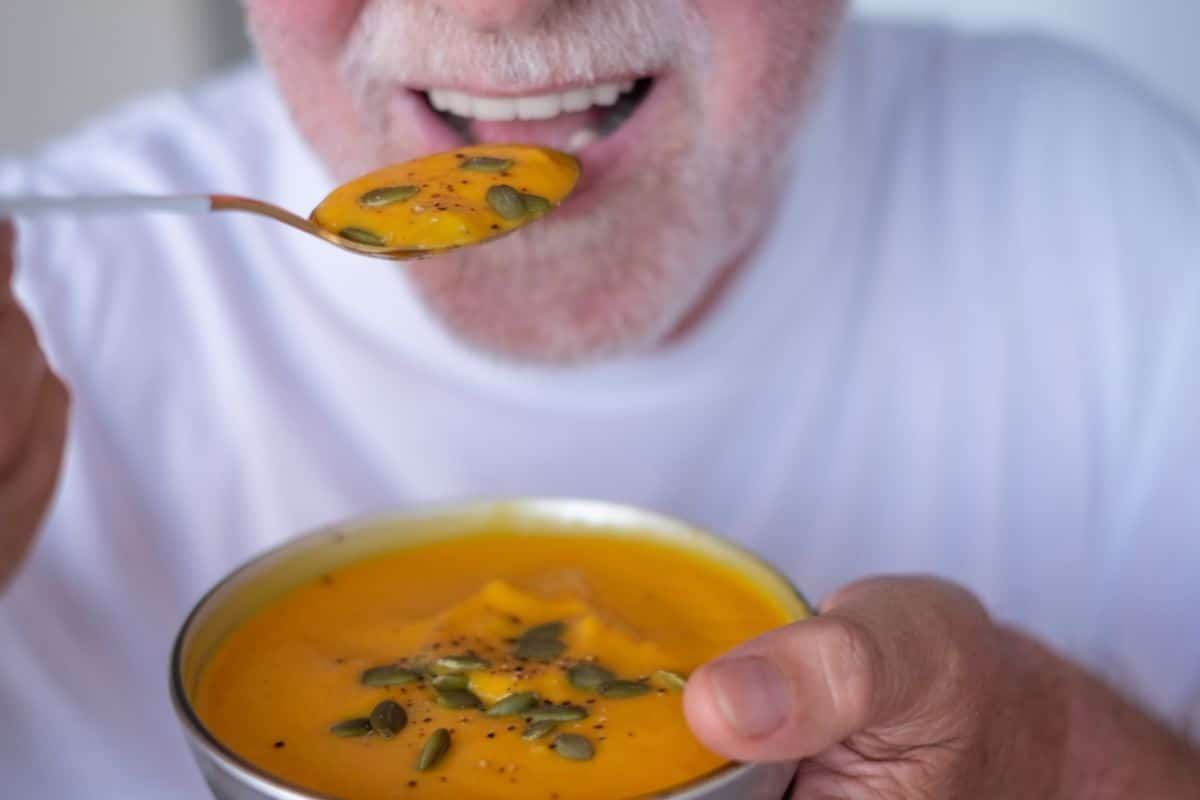
There are plenty of nutritious foods that can work well with dentures. During the adjustment period, focus on foods that are soft, moist, and easy to chew.
Good options may include:
- Scrambled eggs
- Yogurt
- Oatmeal
- Soft-cooked vegetables
- Mashed potatoes
- Applesauce
- Cottage cheese
- Tender fish
- Soups and stews
- Soft pasta
- Bananas
- Soft rice
- Tender ground meat
As your mouth becomes accustomed to your dentures, you can gradually introduce firmer foods.
Tips for Eating Comfortably With Dentures
Changing your eating habits can make the adjustment period easier.
Cut Food Into Small Pieces
Smaller pieces require less chewing force and can make it easier to control food inside your mouth.
Chew on Both Sides
Try to distribute food evenly across both sides of your mouth. This can help keep dentures more stable while chewing.
Take Small Bites
Large bites can make chewing more difficult and may increase the chance of your dentures shifting.
Drink Water With Meals
Water can help with dry mouth and make some foods easier to chew and swallow. If you experience persistent dry mouth, mention it to your dental provider.
Introduce Foods Gradually
You do not have to test every challenging food at once. Start with softer choices and slowly work toward foods with different textures as your comfort improves.
What If My Dentures Slip While Eating?
Occasional movement can happen, especially with new dentures. However, frequent slipping, clicking, sore spots, or difficulty chewing may indicate that your dentures need professional evaluation.
A denture that no longer fits comfortably may require an adjustment, relining, or replacement. Changes in the gums and jawbone over time can affect how removable dentures fit.
If you are having ongoing problems, do not simply tolerate the discomfort. A dental professional can examine your mouth and dentures and determine what may be causing the problem.
Patients looking for personalized guidance about dentures in Edinburg can speak with the team at Palm Valley Dental about their options.
When Should You Schedule a Dental Visit?
You should contact your dentist if wearing your dentures causes ongoing pain, sores, bleeding, or difficulty eating. You should also schedule an evaluation if your dentures suddenly feel loose after previously fitting well.
Professional care is particularly important when discomfort continues despite changes to your diet or denture routine. If you’re also unsure about proper nighttime denture care, learn more about sleeping with dentures and how overnight denture habits can affect your oral health.
Your dentist can check your gums, examine the fit of your dentures, and recommend appropriate adjustments. Regular dental visits also help monitor your oral tissues even when you have a complete set of dentures.
Are Dentures Supposed to Feel Completely Natural?
Dentures can take time to feel familiar. New wearers may notice increased saliva, mild gum tenderness, changes in speech, or difficulty eating certain foods during the adjustment period.
With practice and the right fit, many people become much more comfortable eating with dentures. If discomfort continues or your dentures repeatedly move, however, it is worth having the fit evaluated rather than assuming the problem is normal.
FAQ
What foods should you avoid with dentures?
Avoid or limit sticky, hard, chewy, and very crunchy foods, especially while you are adjusting to new dentures. Caramel, chewing gum, hard candy, whole nuts, tough meats, and popcorn can be difficult to chew or may cause dentures to move. Softer foods and smaller bites are generally easier to manage.
Can I eat steak with dentures?
You may be able to eat steak with dentures, but tough or chewy cuts can be difficult. Choose tender meat, cook it until soft, and cut it into small pieces before eating. If you consistently struggle to chew meat or your dentures move while eating, ask your dentist to check their fit.
Can I eat popcorn with dentures?
Popcorn can be challenging because small hulls and kernels may become trapped underneath dentures and irritate the gums. If you choose to eat popcorn, use caution and clean your dentures and mouth afterward. People who frequently experience gum irritation may want to choose softer snacks instead.
Why do my dentures move when I chew?
Some movement may occur because dentures rest on gum tissue rather than being anchored like natural teeth. However, frequent movement can be related to an improper fit or changes in the underlying gums and jawbone. Your dentist can determine whether an adjustment or other treatment may improve stability.
How long does it take to get used to eating with dentures?
The adjustment period varies from person to person. Many new denture wearers gradually become more comfortable as they practice speaking and chewing. Starting with soft foods, taking small bites, and chewing on both sides can help. Persistent pain or difficulty eating should be evaluated by a dentist.
Do I still need dental visits if I wear dentures?
Yes. Regular dental visits remain important even if you have complete dentures. Your dentist can examine your gums and oral tissues, assess denture fit, identify irritation, and discuss changes that may affect your comfort. Dentures also need proper cleaning and maintenance to support good oral hygiene.
Conclusion
Knowing the foods to avoid with dentures can make meals more comfortable and reduce unnecessary irritation. Sticky candy, hard foods, tough meats, crunchy snacks, and small seeds can be difficult to manage, particularly when you are still adjusting to your dentures.
Start with softer foods, cut meals into smaller pieces, chew evenly on both sides, and gradually introduce different textures as your confidence improves. Most importantly, persistent pain, slipping, or sore spots should not be ignored because an adjustment or professional evaluation may help.
If you live in Edinburg, TX, and need help with dentures or are having trouble eating comfortably, contact Palm Valley Dental at +1 9563292808 to schedule an appointment and discuss your concerns with the dental team.
Choosing a dental practice is an important decision. Patients in Edinburg can learn more about Palm Valley Dental by checking recent office updates and feedback from other patients. Want to stay connected with dental tips, office announcements, and patient experiences? See what local patients are saying to explore recent updates and learn more about Palm Valley Dental.
Recent Post

October 6, 2026
How to Clean Dentures: A Daily Care Routine

September 25, 2026
Signs of Cavities in Children: What Parents Should Know
September 17, 2026
How Long Do Dentures Last? Signs to Replace Them
September 14, 2026
What Foods Can You Eat After Dental Implant Surgery?

September 8, 2026
10 Signs You May Need Root Canal Treatment
Categories
Dentures (5)
Patients love it here

My husband and I visited Palm Valley Dental, and it was a rewarding experience. Dr. Torres and Dr. Trevino are so patient, knowledgeable and professional. Caleb, the Dental Hygienist is also very thorough and courteous. The office staff are so pleasant and helpful as well.


Adalia De Luna
Literally, the first time ever at dentist, went in terrified, left informed on my dental care/plan, and scheduled my return visit for the in depth cleaning. Overall, great experience, staff & doctor were attentive, professional and very receptive to all my questions and even the nervousness I displayed.

Sandra Palomo
I love this place. Aside from the amazing and comprehensive dental services, customer service and my time are really important to me. It is rare to find everything I care about in one place.

Karla DeWald
Dr. Treviño and staff are wonderful!! Very clean environment. Dr is so good I had a filling adjustment without being numbed up!! If that doesn't tell you how good they are, I don't know what will!!

Issa Garcia
I love this place. Aside from the amazing and comprehensive dental services, customer service and my time are really important to me. It is rare to find everything I care about in one place.
Karla DeWald
After experiencing a few negative experiences at a previous dental practice, I cautiously decided to try this new dental place. I had a wonderful first visit here and felt a great relief after my appointment. Everyone I encountered was so kind and friendly, and all my concerns and questions were addressed. I highly recommend. 😊