
How Often Should You Replace Your Toothbrush?
March 17, 2025
Dental Care
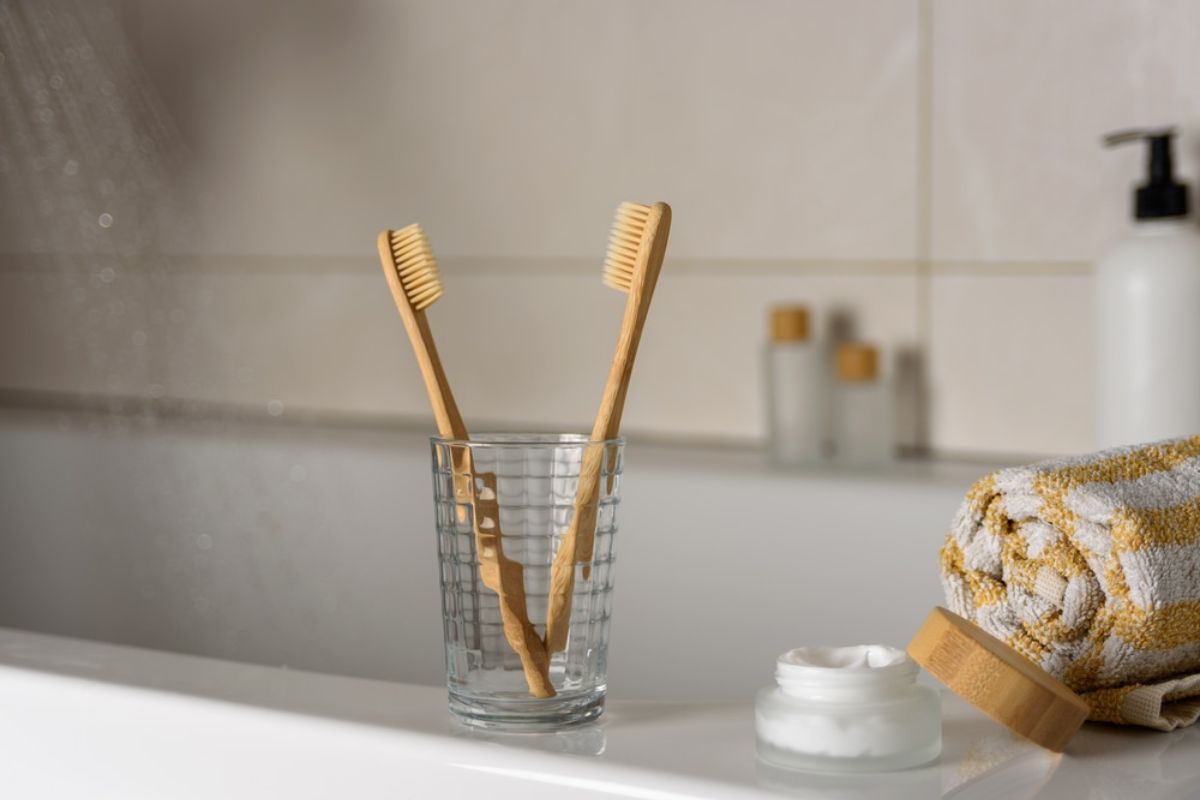
A toothbrush plays a vital role in your daily oral hygiene routine, but when was the last time you replaced yours? Many people overlook this minor yet crucial detail. Using an old toothbrush can reduce effectiveness and even impact your dental health. So, how often should you swap out your toothbrush? Let’s dive into the facts and best practices.
When to Replace Your Toothbrush
According to American Dental Association (ADA) recommends replacing your toothbrush every three to four months. As bristles wear down over time, they become less effective at removing plaque and food particles. If you notice frayed bristles or discoloration before the three-month mark, it’s time to get a new one.
Why Regular Toothbrush Replacement Matters
- Better Plaque Removal: Frayed bristles clean your teeth less effectively, raising the risk of cavities and gum disease.
- Prevent Bacteria Build-Up: Old toothbrushes can harbor bacteria, mold, and yeast, leading to oral infections.
- Healthier Gums: Using a fresh toothbrush helps reduce gum irritation and keeps your mouth feeling clean.
Signs It’s Time to Replace Your Toothbrush
I’m not sure if it’s time for a new brush. Watch for these signs:
- Frayed or bent bristles
- A lingering bad smell
- Toothbrush head discoloration
- Recent illness (replace immediately to avoid reintroducing bacteria)
Is an Electric Toothbrush Different?
If you use an electric toothbrush, you should replace the head every 12 weeks, similar to a manual toothbrush. Electric brush heads also wear out and lose their cleaning efficiency. For the best results, follow the manufacturer’s instructions.
How to Keep Your Toothbrush Clean
While regular replacement is essential, proper care extends your toothbrush’s effectiveness. Here are some simple tips:
- Rinse well after each use to clear away toothpaste and debris.
- Store upright in a well-ventilated area to air dry.
- Avoid sharing toothbrushes to prevent cross-contamination.
The Impact of Using an Old Toothbrush
Using a toothbrush past its prime can lead to serious oral health issues. Studies show that worn-out bristles are 30% less effective at removing plaque, increasing the likelihood of cavities and gum inflammation. A fresh toothbrush helps maintain a healthy smile and prevents long-term dental problems.
When to Visit a Dentist Near Edinburg
A worn-out toothbrush may not be the only issue if you experience persistent bad breath, bleeding gums, or tooth sensitivity. Regular dental check-ups play a key role in oral health. A dentist near Edinburg can assess your teeth and gums and provide personalized care to keep your smile in top shape.
Make Oral Health a Priority
Replacing your toothbrush often is a simple step with a significant impact. Following the three-month rule and maintaining good oral hygiene protects your teeth and gums for the long haul.
Don’t wait for dental problems to arise. Call our local dental office in Edinburg or nearby areas today for expert care and guidance. Your smile deserves it!
Recent Post

October 6, 2026
How to Clean Dentures: A Daily Care Routine
September 25, 2026
Signs of Cavities in Children: What Parents Should Know
September 17, 2026
How Long Do Dentures Last? Signs to Replace Them

September 14, 2026
What Foods Can You Eat After Dental Implant Surgery?

September 8, 2026
10 Signs You May Need Root Canal Treatment
Categories
Dental Care (36)
Patients love it here

My husband and I visited Palm Valley Dental, and it was a rewarding experience. Dr. Torres and Dr. Trevino are so patient, knowledgeable and professional. Caleb, the Dental Hygienist is also very thorough and courteous. The office staff are so pleasant and helpful as well.


Adalia De Luna
Literally, the first time ever at dentist, went in terrified, left informed on my dental care/plan, and scheduled my return visit for the in depth cleaning. Overall, great experience, staff & doctor were attentive, professional and very receptive to all my questions and even the nervousness I displayed.

Sandra Palomo
I love this place. Aside from the amazing and comprehensive dental services, customer service and my time are really important to me. It is rare to find everything I care about in one place.

Karla DeWald
Dr. Treviño and staff are wonderful!! Very clean environment. Dr is so good I had a filling adjustment without being numbed up!! If that doesn't tell you how good they are, I don't know what will!!

Issa Garcia
I love this place. Aside from the amazing and comprehensive dental services, customer service and my time are really important to me. It is rare to find everything I care about in one place.
Karla DeWald
After experiencing a few negative experiences at a previous dental practice, I cautiously decided to try this new dental place. I had a wonderful first visit here and felt a great relief after my appointment. Everyone I encountered was so kind and friendly, and all my concerns and questions were addressed. I highly recommend. 😊