
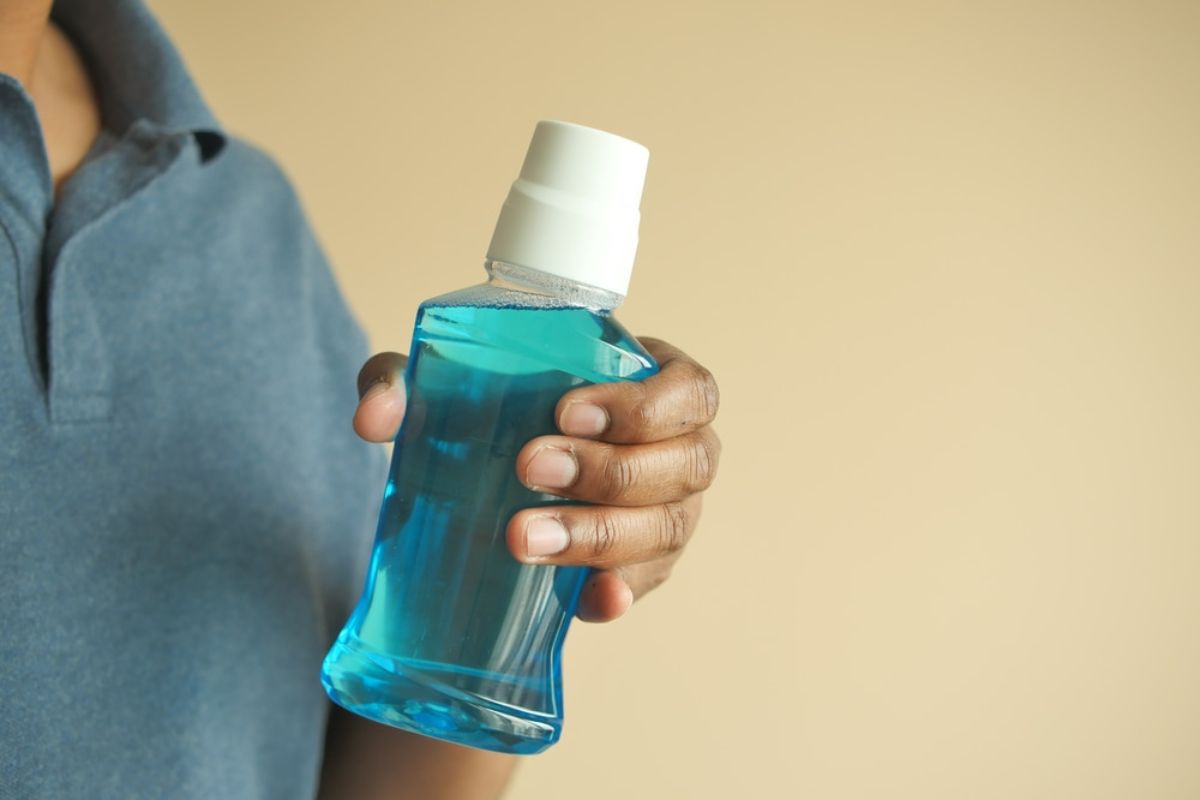
Is Mouthwash Necessary? What Dentists Want You to Know
February 27, 2025
Dental Health
You brush twice daily, floss regularly, and visit your dentist for checkups. But should mouthwash be a non-negotiable part of your routine? Many wonder whether mouthwash is necessary or another step in an already-packed dental regimen.
The Benefits of Using Mouthwash
Mouthwash isn’t just about freshening your breath. Depending on the type you choose, it can offer several benefits, such as:
Reducing Bacteria: Antiseptic mouthwashes help eliminate bacteria that lead to gum disease and cavities.
Strengthening Enamel: Fluoride-based mouthwashes can reinforce your enamel, making your teeth more decay-resistant.
Fighting Plaque: Some mouthwashes help reduce plaque buildup, preventing gum inflammation and other oral health issues.
Reaching Hard-to-Clean Areas: Even with thorough brushing and flossing, mouthwash can clean areas that are difficult to achieve.
If you live in Texas and need expert oral hygiene advice, a Edinburg dentist can recommend the best mouthwash based on your unique needs.
Is Mouthwash a Replacement for Brushing and Flossing?
No. Mouthwash should complement, not replace, brushing and flossing. While it can help control bacteria, it doesn’t remove plaque or food particles as effectively as a toothbrush and floss. Think of it as an extra layer of protection rather than a primary solution.
Choosing the Right Mouthwash for Your Needs
Not all mouthwashes serve the same purpose. Here’s what to look for:
Fluoride Mouthwash: Ideal for preventing cavities and strengthening enamel.
Antiseptic Mouthwash: Best for killing bacteria and freshening breath, but it may contain alcohol, which can cause dryness.
Alcohol-Free Mouthwash: An excellent option for dry mouth or sensitive gums.
Prescription Mouthwash: Dentists often recommend this for patients with gum disease or post-surgical care.
Who Should Use Mouthwash?
Mouthwash can be beneficial for many people, but it may be helpful if you:
- Have chronic bad breath (halitosis)
- Are prone to cavities
- Have gum disease or gingivitis
- Wear braces or other orthodontic appliances.
- Suffer from dry mouth (xerostomia)
If you experience any of these issues, your dentist can suggest a suitable mouthwash to incorporate into your routine.
Are There Any Downsides to Using Mouthwash?
While mouthwash has many benefits, overuse or using the wrong type can cause problems like:
Dry Mouth: Alcohol-based mouthwashes can contribute to dry mouth, leading to discomfort.
Irritation: Some formulas may be too intense for people with sensitive gums.
Masking Dental Issues: Using mouthwash to cover lousy breath could delay necessary dental treatment if an underlying problem exists.
The Verdict: Should You Use Mouthwash?
Mouthwash isn’t mandatory for everyone, but it offers valuable benefits for many people. If you’re unsure whether it’s right for you, consult your dentist. Adding the correct type of mouthwash to your oral care routine can help protect your teeth and gums, keeping your smile healthy and fresh.
Take the Next Step in Your Oral Health
Want to improve your dental care routine? Visiting a trusted dentist is the best way to get personalized recommendations and ensure your oral health stays in top shape. Regular checkups can help prevent cavities, gum disease, and other dental issues before they become serious.
If you’re in Edinburg or nearby areas, schedule an appointment with our expert dental team today. Visit our local dental office in Edinburg and take the first step toward a healthier smile!
Recent Post

October 6, 2026
How to Clean Dentures: A Daily Care Routine
September 25, 2026
Signs of Cavities in Children: What Parents Should Know
September 17, 2026
How Long Do Dentures Last? Signs to Replace Them

September 14, 2026
What Foods Can You Eat After Dental Implant Surgery?

September 8, 2026
10 Signs You May Need Root Canal Treatment
Categories
Dental Health (32)
Patients love it here

My husband and I visited Palm Valley Dental, and it was a rewarding experience. Dr. Torres and Dr. Trevino are so patient, knowledgeable and professional. Caleb, the Dental Hygienist is also very thorough and courteous. The office staff are so pleasant and helpful as well.


Adalia De Luna
Literally, the first time ever at dentist, went in terrified, left informed on my dental care/plan, and scheduled my return visit for the in depth cleaning. Overall, great experience, staff & doctor were attentive, professional and very receptive to all my questions and even the nervousness I displayed.

Sandra Palomo
I love this place. Aside from the amazing and comprehensive dental services, customer service and my time are really important to me. It is rare to find everything I care about in one place.

Karla DeWald
Dr. Treviño and staff are wonderful!! Very clean environment. Dr is so good I had a filling adjustment without being numbed up!! If that doesn't tell you how good they are, I don't know what will!!

Issa Garcia
I love this place. Aside from the amazing and comprehensive dental services, customer service and my time are really important to me. It is rare to find everything I care about in one place.
Karla DeWald
After experiencing a few negative experiences at a previous dental practice, I cautiously decided to try this new dental place. I had a wonderful first visit here and felt a great relief after my appointment. Everyone I encountered was so kind and friendly, and all my concerns and questions were addressed. I highly recommend. 😊