
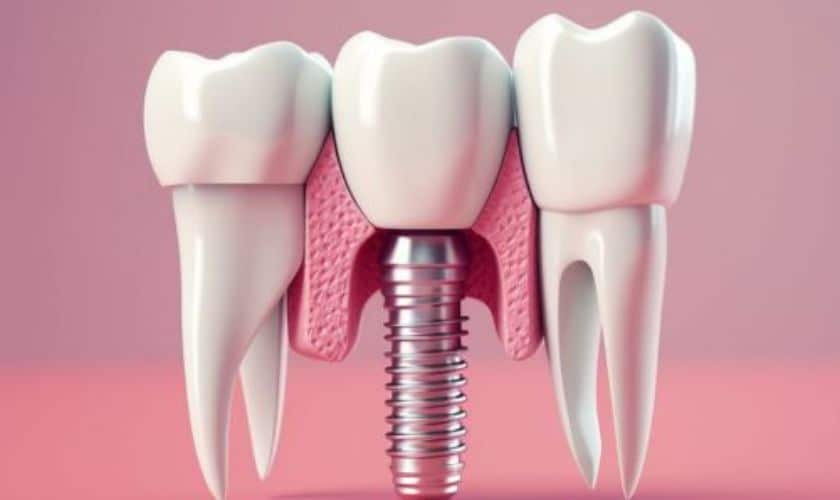
What Foods To Avoid With Dental Implants?
March 8, 2024
Dental Health
Dental implants are a popular and effective solution for replacing missing teeth, offering stability, functionality, and aesthetics. However, it’s essential to be mindful of what you eat to maintain the health and longevity of your dental implants. Let’s explore which foods to avoid to protect your dental implants in Edinburg.
1. Hard and Crunchy Foods
Hard and crunchy foods can exert excessive pressure on dental implants, potentially causing them to fracture or become loose. Avoid chewing on hard nuts, popcorn kernels, ice cubes, hard candies, and crusty bread. Instead, opt for softer alternatives that are gentler on your dental implants, such as steamed vegetables, soft fruits, and tender meats.
2. Sticky and Chewy Foods
Sticky and chewy foods can adhere to dental implants and the surrounding gum tissue, increasing the risk of bacterial buildup and inflammation. Avoid sticky candies, chewing gum, caramel, toffee, and dried fruits, as they can be challenging to remove and may contribute to gum disease and implant complications. Opt for non-sticky snacks and desserts to maintain optimal oral hygiene and implant health.
3. Tough Meats and Fibrous Foods
Tough meats and fibrous foods require vigorous chewing motions, which can strain dental implants and surrounding tissues. Avoid tough cuts of meat, such as steak or pork chops, as well as fibrous foods like raw vegetables, tough cuts of meat, and stringy fruits. Instead, choose lean cuts of meat that are tender and easy to chew, or opt for cooked vegetables and fruits to minimize strain on your dental implants.
4. Acidic and Sugary Foods
Acidic and sugary foods can erode tooth enamel and contribute to dental implant complications, such as gum disease and implant failure. Limit your consumption of acidic foods and beverages, including citrus fruits, tomato-based sauces, and carbonated drinks, as they can weaken the protective enamel layer of your teeth and increase the risk of implant-related problems. Additionally, reduce your intake of sugary foods and drinks to prevent plaque buildup and maintain the health of your dental implants.
5. Hot and Spicy Foods
Hot and spicy foods can irritate the soft tissues surrounding dental implants, leading to discomfort and inflammation. Avoid consuming excessively hot or spicy foods, such as chili peppers, hot sauces, and spicy curries, as they can exacerbate sensitivity and discomfort around your dental implants. Opt for milder alternatives or allow hot foods to cool slightly before consuming them to minimize potential irritation.
6. Alcohol and Tobacco Products
Alcohol and tobacco products can have detrimental effects on oral health and increase the risk of implant complications. Avoid excessive alcohol consumption and smoking or using tobacco products, as they can impair the healing process, weaken the bone structure supporting dental implants, and contribute to gum disease and implant failure. Choose healthier lifestyle habits to support the long-term success of your dental implants.
In conclusion, maintaining a balanced diet and avoiding certain foods is essential for preserving the health and longevity of dental implants in Edinburg. By avoiding hard and crunchy foods, sticky and chewy foods, tough meats and fibrous foods, acidic and sugary foods, hot and spicy foods, and alcohol and tobacco products, you can protect your dental implants and enjoy a healthy, functional smile for years to come. If you have any concerns or questions about dietary recommendations for dental implants, consult with your dentist for personalized guidance and advice.
Recent Post

October 6, 2026
How to Clean Dentures: A Daily Care Routine

September 25, 2026
Signs of Cavities in Children: What Parents Should Know
September 17, 2026
How Long Do Dentures Last? Signs to Replace Them
September 14, 2026
What Foods Can You Eat After Dental Implant Surgery?

September 8, 2026
10 Signs You May Need Root Canal Treatment
Categories
Dental Health (32)
Patients love it here

My husband and I visited Palm Valley Dental, and it was a rewarding experience. Dr. Torres and Dr. Trevino are so patient, knowledgeable and professional. Caleb, the Dental Hygienist is also very thorough and courteous. The office staff are so pleasant and helpful as well.


Adalia De Luna
Literally, the first time ever at dentist, went in terrified, left informed on my dental care/plan, and scheduled my return visit for the in depth cleaning. Overall, great experience, staff & doctor were attentive, professional and very receptive to all my questions and even the nervousness I displayed.

Sandra Palomo
I love this place. Aside from the amazing and comprehensive dental services, customer service and my time are really important to me. It is rare to find everything I care about in one place.

Karla DeWald
Dr. Treviño and staff are wonderful!! Very clean environment. Dr is so good I had a filling adjustment without being numbed up!! If that doesn't tell you how good they are, I don't know what will!!

Issa Garcia
I love this place. Aside from the amazing and comprehensive dental services, customer service and my time are really important to me. It is rare to find everything I care about in one place.
Karla DeWald
After experiencing a few negative experiences at a previous dental practice, I cautiously decided to try this new dental place. I had a wonderful first visit here and felt a great relief after my appointment. Everyone I encountered was so kind and friendly, and all my concerns and questions were addressed. I highly recommend. 😊