
What Should I Expect from Dental Implant Surgery?
September 2, 2019
Dental Implants
If you’re missing a tooth and considering an implant, you may have plenty of questions before you schedule treatment. What happens during dental implant surgery? Will it hurt? How long does the process take? What will recovery be like?
Those are reasonable questions. Dental implant treatment isn’t usually a single appointment. It is a process that may include planning, implant placement, a healing period, and placement of the final restoration. The exact steps depend on your oral health, the number of teeth being replaced, the condition of your jawbone, and whether additional procedures are needed.
If you’re considering dental implants in Edinburg, here’s a practical look at what you can expect from the process.
What Are Dental Implants?
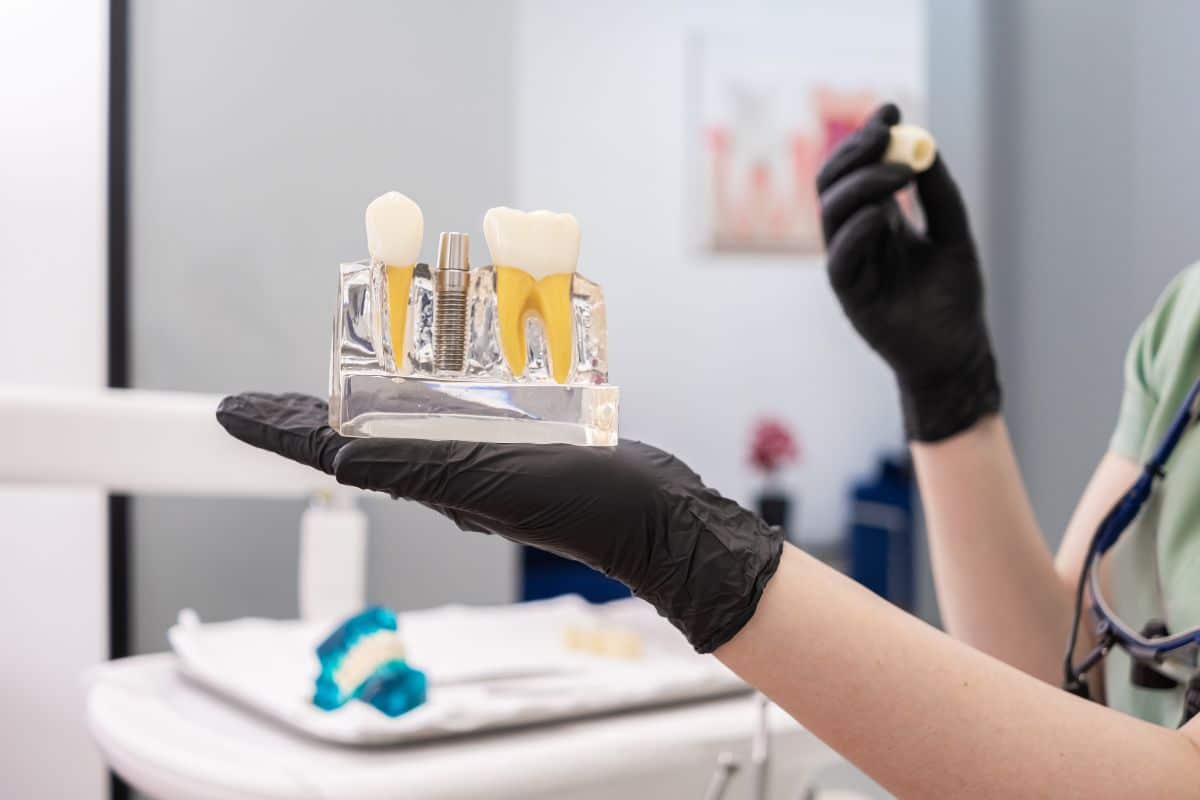
A dental implant is a small post that is placed into the jawbone to replace the root portion of a missing tooth. Once the implant has healed and become integrated with the surrounding bone, it can support a restoration such as a crown, bridge, or implant-supported denture.
Unlike a traditional bridge, an individual implant doesn’t require the neighboring teeth to be prepared as supports. For patients missing several teeth, multiple implants can also be used to support a bridge or denture.
Palm Valley Dental’s implant treatment page explains that implants can be used for single-tooth, multiple-tooth, and full-arch tooth replacement.
What to Expect From Dental Implant Surgery
The process varies from patient to patient, but dental implant treatment generally follows several stages.
1. Your Initial Consultation
The first step is an evaluation not the surgery itself.
Your dentist will assess your teeth, gums, jawbone, bite, and overall oral health. Imaging may be used to evaluate the bone and plan the position of the implant.
Your medical history is also important. Make sure your dental team knows about medications, supplements, medical conditions, tobacco use, and any previous dental procedures.
During the consultation, you can also discuss:
- Which teeth need to be replaced
- Whether an implant is appropriate for your situation
- The condition of your jawbone
- Whether bone grafting may be necessary
- Your treatment timeline
- Anesthesia or sedation options
- The type of final restoration planned
There isn’t one implant treatment plan that works for every patient. The goal is to determine what makes sense for your particular situation.
2. Preparing the Tooth and Jaw
If the tooth is still present but cannot be saved, it may need to be removed before implant placement.
Some patients have enough healthy bone to proceed with implant placement after the tooth is removed. Others may need bone grafting first.
Bone grafting may be recommended when the jawbone isn’t thick or strong enough to provide adequate support for an implant. Depending on the situation, grafting may happen before implant placement or sometimes at the same time.
The need for grafting is determined during treatment planning rather than simply assumed for every patient.
3. Placing the Dental Implant
During implant placement, the dentist or oral surgery provider creates space in the jawbone and positions the implant.
The area is numbed with local anesthesia, and sedation may be available depending on the procedure and the patient’s needs.
You may notice pressure or movement during the procedure, but the treatment area is designed to remain numb.
Once the implant is placed, the gum tissue is managed according to the treatment plan, and the healing phase begins.
4. Healing and Osseointegration
This is the part of implant treatment that requires patience.
After placement, the implant needs time to become integrated with the surrounding jawbone. This process is called osseointegration.
Think of it as the jawbone gradually forming a stable relationship with the implant. This creates the foundation needed to support the replacement tooth.
Healing times aren’t identical for everyone. The overall treatment may take several months because the implant and surrounding tissues need time to heal.
You may have a temporary tooth or other temporary restoration during this period if your treatment plan calls for one.
5. Attaching the Abutment
Once the implant has healed sufficiently, the next step may involve placing an abutment.
The abutment is the connector between the implant and the final dental restoration.
Depending on the treatment approach, the abutment may be placed during implant surgery or during a later appointment. Your dentist will explain which approach applies to you.
6. Receiving Your Final Restoration
After the tissues have healed and the implant is ready, impressions or digital scans may be used to create the final restoration.
For a single missing tooth, this is often a custom dental crown.
For multiple missing teeth, implants may support a bridge. In some cases, implants can also help stabilize a removable or fixed full-arch restoration.
The goal is to create a restoration that fits your mouth and works with your bite.
Is Dental Implant Surgery Painful?
One of the most common concerns is pain.
During the procedure, local anesthesia is used to numb the treatment area. Sedation may also be considered for some patients.
After surgery, it is normal to have some soreness, swelling, bruising, or minor bleeding around the surgical site. These symptoms generally improve as the area heals, although recovery differs from one person to another.
Your dental team will provide specific instructions for managing discomfort and caring for the surgical site.
If pain becomes severe, gets worse rather than better, or is accompanied by other concerning symptoms, contact your dental provider.
What Is Dental Implant Recovery Like?
The first few days are usually when you’ll need to be most careful with the surgical area.
Your dentist may recommend:
- Resting after the procedure
- Using an ice pack as directed
- Eating softer foods temporarily
- Avoiding strenuous activity for a period of time
- Keeping the mouth clean according to your dental team’s instructions
- Taking recommended medications exactly as directed
- Avoiding tobacco products during healing
You shouldn’t judge the progress of an implant simply by how it feels. An implant can feel comfortable while the deeper healing process is still taking place.
Follow-up appointments allow your dental team to monitor healing and determine when it is appropriate to move forward with the next stage.
What Can You Eat After Implant Surgery?
Your diet may need to change temporarily after surgery.
Soft foods are generally easier on a healing area. Depending on your dentist’s instructions, options may include:
- Yogurt
- Scrambled eggs
- Mashed potatoes
- Oatmeal
- Applesauce
- Cottage cheese
- Soft pasta
- Smooth foods that don’t require much chewing
Avoid putting unnecessary pressure on the surgical area. Very hard, crunchy, sticky, or irritating foods may be inappropriate during the early healing period.
Your dentist should give you specific dietary instructions based on the procedure you had.
How Long Does the Dental Implant Process Take?
There isn’t one timeline that applies to every patient.
A straightforward case may move through the stages more quickly than a case involving tooth extraction, bone grafting, multiple implants, or other procedures.
The overall process can take several months because the jawbone needs time to heal around the implant before the final restoration is placed.
That waiting period can feel long, but it is an important part of the treatment rather than simply time between appointments.
Are Dental Implants Right for Everyone?
Dental implants can be an option for many adults with missing teeth, but an evaluation is necessary before treatment.
Your dentist may consider:
- The amount and condition of available jawbone
- The health of your gums
- The condition of your remaining teeth
- Your medical history
- Medications you take
- Tobacco use
- Your ability to maintain good oral hygiene
- The number and location of missing teeth
- Your treatment goals
If the jawbone needs additional support, bone grafting or another approach may be discussed.
This is why an in-person examination is more useful than trying to determine candidacy from a checklist alone.
What Are the Possible Risks?
Dental implant surgery is a surgical procedure, so complications are possible.
Potential complications can include infection, damage to nearby structures, nerve-related symptoms, sinus problems with certain upper-jaw implants, or failure of the implant to integrate properly with the bone.
Your dental provider should discuss the risks that are particularly relevant to your situation before treatment.
Contact your dental office if you experience symptoms that concern you after surgery, especially severe or worsening pain, significant bleeding, fever, unusual drainage, or other signs that don’t seem consistent with normal healing.
How Can You Protect Your Implant After Treatment?
An implant isn’t maintenance-free.
Once treatment is complete, continue brushing and cleaning around the implant as recommended by your dental team. Regular dental visits are also important so your dentist can monitor your gums, implant, restoration, and remaining natural teeth.
Avoid habits that can damage dental restorations, such as chewing on ice or other very hard objects.
Good home care and regular professional care help protect both your implant restoration and the rest of your smile.
What Should You Ask Before Dental Implant Surgery?
If you’re preparing for a consultation, writing down your questions beforehand can make the appointment more useful.
Consider asking:
- Am I a candidate for dental implants?
- Will I need a tooth extraction first?
- Do I need a bone graft?
- How many implants will I need?
- What type of restoration will be placed?
- What type of anesthesia or sedation is available?
- How long should I expect each stage to take?
- What will I be able to eat after surgery?
- When can I return to work or normal activities?
- How should I care for the implant while it heals?
- What follow-up appointments will I need?
The answers will depend on your individual treatment plan, so don’t hesitate to ask your dentist to walk you through the process.
Frequently Asked Questions
How long does dental implant surgery take?
The surgical appointment itself can vary considerably depending on the number of implants and whether additional procedures are required. The larger treatment timeline is usually longer because healing and bone integration take time.
How long does it take to recover from dental implant surgery?
The initial recovery period is different for every patient. Swelling, tenderness, and other short-term symptoms may occur after surgery, while the deeper process of bone integration takes much longer. Your dentist can give you a more specific estimate based on your procedure.
Can I go back to work after dental implant surgery?
That depends on the extent of your procedure, your type of work, and how you feel afterward. Some patients may return to routine activities relatively quickly, while others may need additional time to rest. Follow the instructions provided by your dental team.
Can I eat normally after dental implant surgery?
Usually, you’ll need to modify your diet temporarily. Soft foods are often easier to manage while the surgical area heals. Your dentist will tell you when and how to gradually return to your normal diet.
What happens if I don’t have enough bone for an implant?
If there isn’t enough bone to provide adequate support, your dentist may discuss bone grafting or another treatment option. Whether grafting is needed depends on the location and condition of the bone.
Are dental implants permanent?
The implant itself is designed as a long-term tooth-replacement solution, but that doesn’t mean every part of the restoration will last forever without maintenance. Oral hygiene, regular dental care, bite forces, lifestyle factors, and the condition of the surrounding tissues can all affect longevity.
Considering Dental Implants in Edinburg?
If you’re missing one or more teeth, the first step isn’t deciding on a procedure it’s finding out what your mouth needs.
Palm Valley Dental provides dental implant treatment in Edinburg, and can evaluate your teeth, gums, and jawbone to determine whether implants may be appropriate for your situation. You can learn more about the treatment options on the dental implants service page before scheduling a consultation.
A consultation gives you the opportunity to discuss your options, understand the expected stages of treatment, and ask questions about healing and aftercare.
The more you understand before treatment, the easier it is to know what to expect at each step.
Recent Post

October 6, 2026
How to Clean Dentures: A Daily Care Routine

September 25, 2026
Signs of Cavities in Children: What Parents Should Know
September 17, 2026
How Long Do Dentures Last? Signs to Replace Them

September 14, 2026
What Foods Can You Eat After Dental Implant Surgery?

September 8, 2026
10 Signs You May Need Root Canal Treatment
Categories
Dental Implants (11)
Patients love it here

My husband and I visited Palm Valley Dental, and it was a rewarding experience. Dr. Torres and Dr. Trevino are so patient, knowledgeable and professional. Caleb, the Dental Hygienist is also very thorough and courteous. The office staff are so pleasant and helpful as well.


Adalia De Luna
Literally, the first time ever at dentist, went in terrified, left informed on my dental care/plan, and scheduled my return visit for the in depth cleaning. Overall, great experience, staff & doctor were attentive, professional and very receptive to all my questions and even the nervousness I displayed.

Sandra Palomo
I love this place. Aside from the amazing and comprehensive dental services, customer service and my time are really important to me. It is rare to find everything I care about in one place.

Karla DeWald
Dr. Treviño and staff are wonderful!! Very clean environment. Dr is so good I had a filling adjustment without being numbed up!! If that doesn't tell you how good they are, I don't know what will!!

Issa Garcia
I love this place. Aside from the amazing and comprehensive dental services, customer service and my time are really important to me. It is rare to find everything I care about in one place.
Karla DeWald
After experiencing a few negative experiences at a previous dental practice, I cautiously decided to try this new dental place. I had a wonderful first visit here and felt a great relief after my appointment. Everyone I encountered was so kind and friendly, and all my concerns and questions were addressed. I highly recommend. 😊