
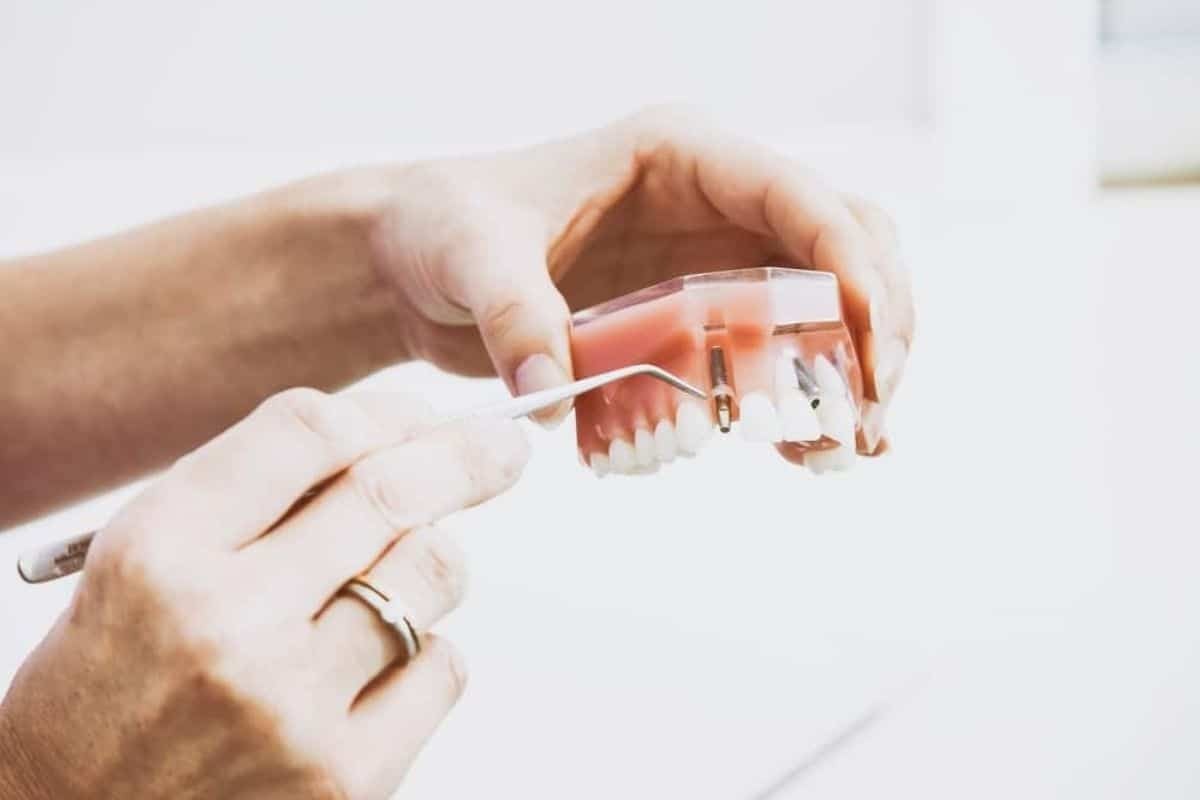
What to Expect from New Dentures
August 13, 2019
Dentures
Getting a new set of dentures can be exciting, but it can also take some getting used to. Your dentures may look natural and fit well from the start, yet eating, speaking, and simply having something new in your mouth can feel strange at first.
So, what should you expect from new dentures?
Most people need an adjustment period. You may notice some mild soreness, changes in the way you speak, or difficulty eating certain foods during the first few days or weeks. These issues often improve as your mouth gets accustomed to the dentures. If discomfort continues or your dentures repeatedly slip, rub, or cause sores, your dentist may need to adjust the fit.
Here’s what to know before you begin.
The First Few Days With New Dentures
The first few days are usually about getting comfortable.
Your cheeks, tongue, gums, and jaw muscles are adapting to the new appliance. Your mouth may feel fuller than you’re used to, and you may notice your dentures when you swallow, talk, or move your tongue.
It’s also possible to experience mild tenderness in areas where the denture presses against your gums. That doesn’t necessarily mean something is wrong. However, significant pain or a sore spot that doesn’t improve should be checked by your dentist rather than simply endured.
Your adjustment period can vary depending on whether you have full or partial dentures, how long you’ve been missing teeth, the condition of your gums, and how well the dentures fit.
Are New Dentures Supposed to Hurt?
Some tenderness can be normal when you’re first getting used to dentures. Persistent pain is not something you should simply accept.
A new denture may create pressure on certain areas of the gums, particularly while you’re learning how to position your tongue and chew. If one spot repeatedly becomes irritated, the denture may need an adjustment.
Contact your dentist if you notice:
- Persistent or worsening soreness
- A painful spot or mouth sore
- Bleeding caused by the denture
- Difficulty keeping the denture in place
- Significant trouble chewing
- A denture that feels loose or suddenly fits differently
Don’t try to reshape, bend, or repair the denture yourself. A small adjustment by a dental professional may make a significant difference in comfort and fit.
Eating With New Dentures Takes Practice
Eating is often one of the biggest changes people notice with new dentures.
Start slowly. Softer foods that are easy to chew can make the transition more comfortable. Cut food into smaller pieces and try chewing evenly on both sides of your mouth instead of putting all the pressure on one side.
As your confidence improves, gradually add foods with more texture.
You may want to be cautious with foods that are particularly hard, sticky, or difficult to chew while you’re still adjusting. There’s no need to rush the process. The goal is to become comfortable with your dentures rather than test them on the hardest foods on your first day.
Speaking May Feel Different at First
Your tongue plays an important role in speech, and a new denture changes the space inside your mouth. Because of that, some people notice a temporary change in pronunciation or a slight lisp when they first start wearing dentures.
This usually improves with practice.
Reading aloud for a few minutes each day can help you become more comfortable speaking with your dentures. Talking with family or friends can help, too. The more naturally you use your dentures, the more familiar they should feel.
If your speech continues to feel unusually difficult or your denture moves when you talk, bring that up with your dentist. Fit can affect how comfortable and stable a denture feels.
Give Your Mouth Time to Adjust
There isn’t one exact timeline for getting used to new dentures.
Some people become comfortable relatively quickly, while others need more time. The important thing is to pay attention to how your mouth feels rather than comparing your experience with someone else’s.
During the adjustment period:
- Wear your dentures according to your dentist’s instructions.
- Start with manageable foods and gradually expand your diet.
- Practice speaking if your pronunciation feels different.
- Clean your dentures regularly.
- Keep your gums, tongue, and the rest of your mouth clean.
- Contact your dentist if pain, sores, or poor fit persist.
If you’re still struggling after the initial adjustment period, don’t assume you simply need to “tough it out.” A professional evaluation can determine whether your dentures need an adjustment or whether another oral health issue is contributing to the discomfort.
How to Care for New Dentures
New dentures need regular cleaning, just like your natural teeth need daily care.
Rinse your dentures after meals when practical, and clean them according to your dentist’s recommendations. A soft denture brush can help remove food and buildup without unnecessarily scratching the appliance.
Avoid using abrasive products unless your dentist or the denture manufacturer specifically recommends them. Different denture materials and appliances can have different care requirements.
When you’re not wearing your dentures, follow the storage instructions provided for your specific appliance. Some dentures should be kept moist, and the appropriate soaking solution can vary.
Your mouth needs care, too. Even if you have complete dentures, gently clean your gums, tongue, and other oral tissues as recommended by your dental professional.
Palm Valley Dental’s denture service page also provides guidance on daily denture maintenance and caring for your gums and tongue.
Should You Sleep With New Dentures?
For many patients, dentists recommend removing removable dentures at night. This gives the tissues in your mouth a break and also gives you an opportunity to thoroughly clean the dentures.
Palm Valley Dental has a helpful guide on sleeping with dentures that explains what patients should know about wearing dentures overnight and caring for them properly.
Your own dentist may give you specific instructions based on your denture type and individual circumstances, so follow those instructions if they differ from general guidance.
Full vs. Partial Dentures: What Changes?
The adjustment experience can be somewhat different depending on the type of denture you receive.
Full dentures replace all of the teeth in an upper or lower arch. Conventional full dentures are generally placed after the gums have healed following tooth removal, while immediate dentures can be placed around the time teeth are removed and may require adjustments as the mouth heals.
Partial dentures replace some missing teeth while working around remaining natural teeth. They may use an acrylic base or metal framework, depending on the design.
Because every mouth is different, your dentist can explain what type of denture is appropriate for your needs and what kind of adjustment period you can expect.
When Should You Have Your Dentures Adjusted?
A denture should not continually hurt your mouth.
If you develop a recurring sore spot, notice that the denture rocks or slips, or find that chewing remains difficult after you’ve had time to adjust, schedule a dental appointment.
Changes in your mouth can also affect how a denture fits over time. That’s one reason regular dental visits remain important even if you no longer have natural teeth in a particular arch.
Avoid trying to fix the fit yourself. Altering the appliance at home can damage it or make the problem worse.
What If Your Dentures Break?
Don’t continue wearing a broken denture if it is causing pain or rubbing your gums.
A cracked or damaged denture may have sharp edges or may no longer distribute pressure properly. Contact your dental office and ask about the safest next step. Palm Valley Dental also advises patients to have broken dentures evaluated because an improper fit can irritate the gums and mouth.
Are Dentures Right for Everyone?
Dentures can be an effective way to replace missing teeth, but they’re not automatically the best choice for every patient.
Depending on your oral health, the number of missing teeth, your jawbone, your preferences, and other factors, your dentist may discuss dentures, bridges, implants, or other restorative options.
Palm Valley Dental offers denture services in Edinburg and provides both full and partial denture options.
If you’re considering replacing missing teeth, you can learn more about the practice’s dentures treatment in Edinburg and discuss which option may fit your needs.
Frequently Asked Questions About New Dentures
How long does it take to get used to new dentures?
There is no single adjustment timeline that applies to everyone. Mild tenderness, changes in speech, and difficulty with certain foods can occur while you’re learning to use your dentures. If discomfort persists or your dentures don’t fit properly, contact your dentist for an evaluation.
Can I eat normally with new dentures?
You can work toward your normal diet, but it may take practice. Begin with softer foods, cut food into smaller pieces, and chew evenly on both sides. Gradually introduce foods that require more chewing as you become comfortable.
Why do my new dentures feel uncomfortable?
New dentures can feel unfamiliar and may cause some temporary tenderness while your mouth adjusts. However, persistent pain, recurring sores, or significant difficulty chewing may indicate that the denture needs an adjustment.
Will new dentures change the way I speak?
They can temporarily affect speech because your tongue and mouth are adapting to the new appliance. Reading aloud and practicing conversation can help you become more comfortable.
How often should I clean my dentures?
Dentures should be cleaned regularly to remove food, plaque, and buildup. Your dentist can recommend the appropriate brush and cleaning products for your specific dentures.
Should I remove my dentures at night?
Many dentists recommend removing removable dentures before sleeping so the oral tissues can rest and the dentures can be cleaned. Follow the instructions provided by your dentist for your particular appliance.
What should I do if my dentures hurt?
If your dentures cause persistent pain, sores, bleeding, or difficulty eating, contact your dentist. Don’t try to reshape the appliance yourself.
Conclusion
Getting used to new dentures takes patience. A different feeling in your mouth, mild tenderness, changes in speech, and a learning curve with eating can all be part of the early adjustment period. But ongoing pain or a consistently poor fit shouldn’t be ignored.
Good denture care, regular dental visits, and timely adjustments can help you stay comfortable and protect your oral health.
If you’re considering dentures or are having trouble adjusting to a new set, talk with a dentist who can evaluate your mouth and discuss your options. For patients looking for dentures treatment in Edinburg, Palm Valley Dental can help you understand the available restorative options and determine what may be appropriate for your needs.
Recent Post

October 6, 2026
How to Clean Dentures: A Daily Care Routine

September 25, 2026
Signs of Cavities in Children: What Parents Should Know
September 17, 2026
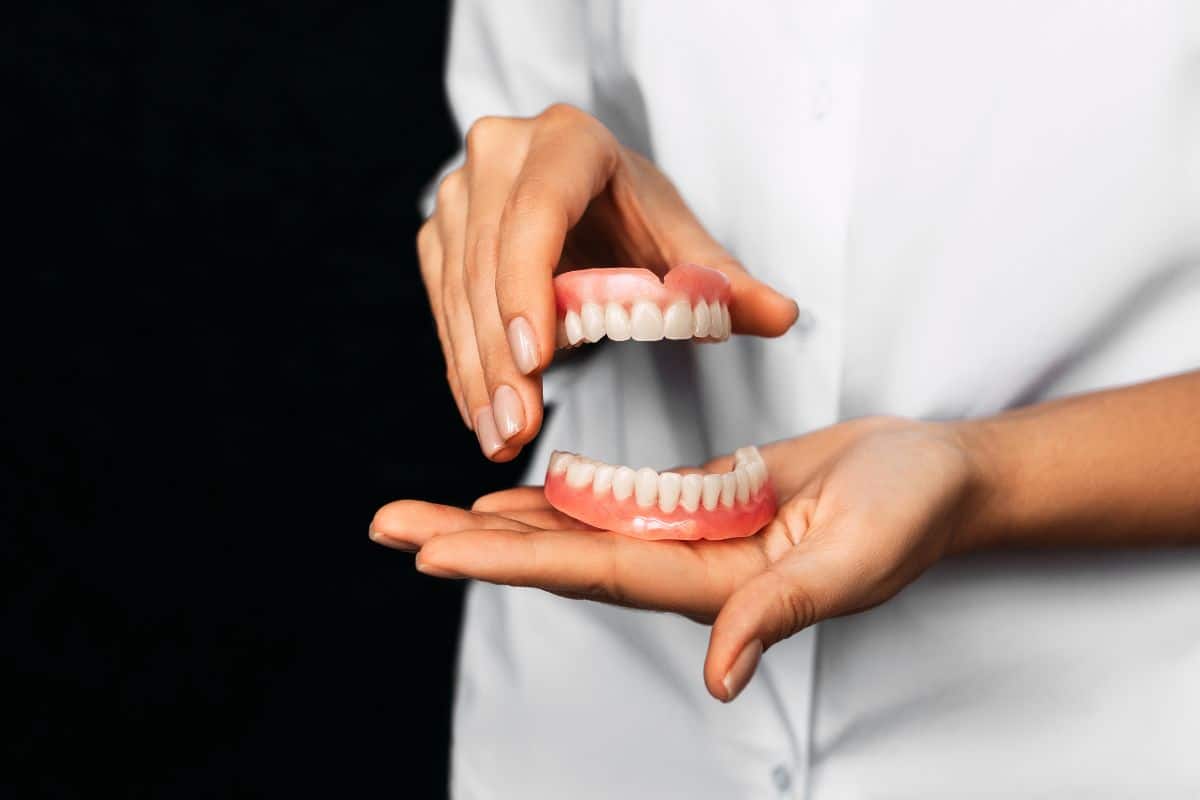
How Long Do Dentures Last? Signs to Replace Them

September 14, 2026
What Foods Can You Eat After Dental Implant Surgery?

September 8, 2026
10 Signs You May Need Root Canal Treatment
Categories
Dentures (5)
Patients love it here

My husband and I visited Palm Valley Dental, and it was a rewarding experience. Dr. Torres and Dr. Trevino are so patient, knowledgeable and professional. Caleb, the Dental Hygienist is also very thorough and courteous. The office staff are so pleasant and helpful as well.


Adalia De Luna
Literally, the first time ever at dentist, went in terrified, left informed on my dental care/plan, and scheduled my return visit for the in depth cleaning. Overall, great experience, staff & doctor were attentive, professional and very receptive to all my questions and even the nervousness I displayed.

Sandra Palomo
I love this place. Aside from the amazing and comprehensive dental services, customer service and my time are really important to me. It is rare to find everything I care about in one place.

Karla DeWald
Dr. Treviño and staff are wonderful!! Very clean environment. Dr is so good I had a filling adjustment without being numbed up!! If that doesn't tell you how good they are, I don't know what will!!

Issa Garcia
I love this place. Aside from the amazing and comprehensive dental services, customer service and my time are really important to me. It is rare to find everything I care about in one place.
Karla DeWald
After experiencing a few negative experiences at a previous dental practice, I cautiously decided to try this new dental place. I had a wonderful first visit here and felt a great relief after my appointment. Everyone I encountered was so kind and friendly, and all my concerns and questions were addressed. I highly recommend. 😊