
How Long Do Dental Implants Last? What Patients Need to Know
July 10, 2026
Dental Implants
Missing teeth can affect your confidence, oral health, and ability to enjoy your favorite foods. If you’re considering tooth replacement options, one of the most common questions you may have is: how long do dental implants last?
The good news is that dental implants are designed to be a long-term solution for missing teeth. With proper care and regular dental visits, many implants can last for decades. If you’re exploring dental implants in Edinburg, understanding their lifespan can help you make an informed decision about your smile.
Quick Answer
How long do dental implants last? Dental implants can last 20 years or more, and many last a lifetime with proper care. While the titanium implant post is designed to be permanent, the crown attached to the implant may need replacement after 10-15 years due to normal wear and tear.
Understanding the Lifespan of Dental Implants
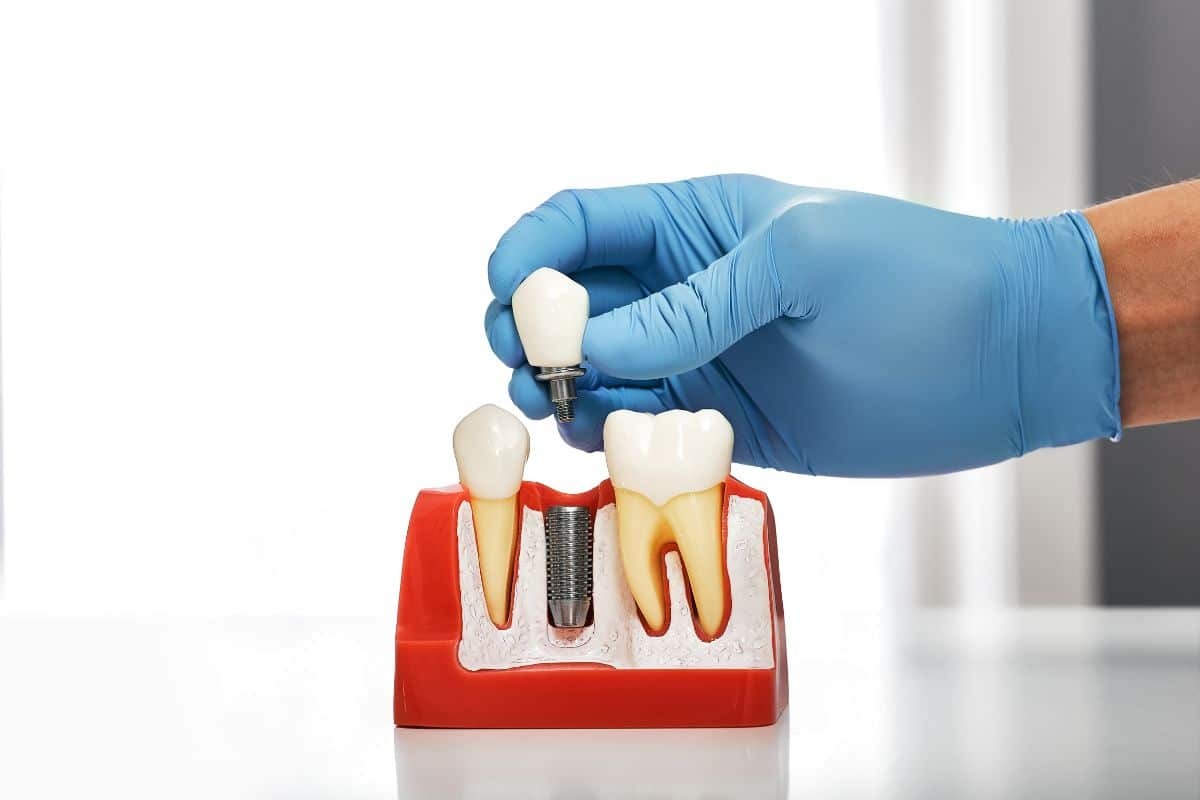
Dental implants consist of three main components:
- The implant post placed into the jawbone
- The abutment that connects the implant to the restoration
- The dental crown that looks like a natural tooth
The implant post is typically made of biocompatible titanium and is designed to fuse with the jawbone through a process called osseointegration. Once healing is complete, the implant becomes a stable foundation for your replacement tooth.
Many studies have shown dental implant success rates above 95%, making them one of the most reliable tooth replacement options available today.
What Factors Affect How Long Dental Implants Last?
Several factors influence the longevity of dental implants.
Oral Hygiene Habits
Good oral hygiene plays a major role in implant success. While implants cannot develop cavities, the surrounding gums and bone can still become infected.
To protect your implant:
- Brush twice daily
- Floss around the implant regularly
- Use antimicrobial mouthwash if recommended
- Attend routine dental cleanings
Poor oral hygiene can lead to peri-implantitis, a condition similar to gum disease that may compromise implant stability.
Bone Health
Strong jawbone support is essential for long-term implant success. Patients with sufficient bone density generally experience better outcomes.
If bone loss is present, procedures such as bone grafting may be recommended before implant placement.
Lifestyle Habits
Certain habits can shorten the lifespan of dental implants, including:
- Smoking or tobacco use
- Excessive alcohol consumption
- Teeth grinding (bruxism)
- Poor dietary habits
Smoking, in particular, can slow healing and increase the risk of implant complications.
Overall Health
Conditions such as uncontrolled diabetes, autoimmune disorders, and certain medications can affect healing and implant longevity.
Your dentist will review your medical history to ensure implants are the right option for you.
How Long Does the Implant Crown Last?
While the implant post often lasts decades, the dental crown experiences daily chewing forces and may eventually need replacement.
On average:
- Implant post: 20+ years to lifetime
- Implant crown: 10-15 years or longer
Factors affecting crown longevity include:
- Bite pressure
- Teeth grinding
- Oral hygiene
- Material quality
Regular dental exams help identify wear before it becomes a bigger issue.
Benefits of Choosing Dental Implants
Dental implants offer several advantages over traditional tooth replacement options.
Natural Appearance
Implants are designed to look and function like natural teeth, helping restore confidence in your smile.
Improved Chewing Ability
Unlike removable dentures, implants provide strong biting power, allowing you to eat a wider variety of foods comfortably.
Bone Preservation
When a tooth is lost, the jawbone can begin to shrink. Dental implants stimulate the bone similarly to natural tooth roots, helping maintain facial structure.
Long-Term Value
Although implants may have a higher initial cost than some alternatives, their durability often makes them a cost-effective investment over time.
What Is the Dental Implant Process?
Understanding the treatment process can help you know what to expect.
Initial Consultation
Your dentist evaluates your oral health, reviews your medical history, and may take digital X-rays or 3D scans.
Implant Placement
The titanium implant is surgically placed into the jawbone.
Healing Period
Over several months, the implant fuses with the bone through osseointegration.
Crown Placement
Once healing is complete, a custom dental crown is attached to the implant.
The result is a stable, natural-looking replacement tooth.
How to Make Your Dental Implants Last Longer
Protecting your implant requires ongoing maintenance. Your daily habits play a major role in protecting your investment. In addition to maintaining good oral hygiene, it’s important to be mindful of your diet during healing and long-term care. Choosing the right foods can help reduce unnecessary pressure on your implant and support successful healing. Learn more about what foods to avoid with dental implants to help keep your restoration healthy for years to come.
Here are some practical tips:
Maintain Excellent Oral Hygiene
Brush and floss daily to keep gums healthy.
Schedule Routine Dental Visits
Professional cleanings and exams allow your dentist to monitor implant health and detect issues early.
Avoid Tobacco Products
Smoking increases the risk of implant failure and gum disease.
Wear a Night Guard if Needed
If you grind your teeth, a custom night guard can help protect your implant and surrounding teeth.
Follow Your Dentist’s Instructions
Every patient’s situation is unique. Following personalized recommendations can significantly improve long-term outcomes.
Conclusion
If you’re asking how long do dental implants last, the answer is encouraging. With proper placement, good oral hygiene, and regular dental care, dental implants can last 20 years or more and often a lifetime. They remain one of the most durable, natural-looking, and effective solutions for replacing missing teeth.
If you’re considering dental implants in Edinburg, the team at Palm Valley Dental is here to help you explore your options and create a personalized treatment plan.
Call Palm Valley Dental today to schedule your consultation and take the next step toward a healthier, more confident smile.
Choosing a dental provider is an important decision, and hearing from other patients can be helpful. Want to stay updated with office news, patient experiences, and dental care tips? See what our local patients are saying on Google to learn more about Palm Valley Dental and explore feedback from the community.
FAQ Section
How long do dental implants last on average?
Most dental implants last 20 years or longer. Many patients enjoy lifelong results when they maintain good oral hygiene and attend regular dental checkups.
Can a dental implant last forever?
The implant post can potentially last a lifetime. However, the dental crown attached to the implant may need replacement after 10–15 years due to normal wear.
What causes dental implants to fail?
Common causes include poor oral hygiene, smoking, gum disease, inadequate bone support, and certain medical conditions that affect healing.
Are dental implants better than dentures?
Dental implants provide greater stability, preserve jawbone health, and function more like natural teeth. The best option depends on your oral health and treatment goals.
Does getting a dental implant hurt?
Most patients report minimal discomfort during implant placement. Local anesthesia and modern dental techniques help ensure a comfortable experience.
How do I care for my dental implants?
Brush twice daily, floss regularly, attend professional cleanings, avoid tobacco products, and follow your dentist’s recommendations for long-term implant success.
Recent Post

October 6, 2026
How to Clean Dentures: A Daily Care Routine

September 25, 2026
Signs of Cavities in Children: What Parents Should Know
September 17, 2026
How Long Do Dentures Last? Signs to Replace Them

September 14, 2026
What Foods Can You Eat After Dental Implant Surgery?

September 8, 2026
10 Signs You May Need Root Canal Treatment
Categories
Dental Implants (11)
Patients love it here

My husband and I visited Palm Valley Dental, and it was a rewarding experience. Dr. Torres and Dr. Trevino are so patient, knowledgeable and professional. Caleb, the Dental Hygienist is also very thorough and courteous. The office staff are so pleasant and helpful as well.


Adalia De Luna
Literally, the first time ever at dentist, went in terrified, left informed on my dental care/plan, and scheduled my return visit for the in depth cleaning. Overall, great experience, staff & doctor were attentive, professional and very receptive to all my questions and even the nervousness I displayed.

Sandra Palomo
I love this place. Aside from the amazing and comprehensive dental services, customer service and my time are really important to me. It is rare to find everything I care about in one place.

Karla DeWald
Dr. Treviño and staff are wonderful!! Very clean environment. Dr is so good I had a filling adjustment without being numbed up!! If that doesn't tell you how good they are, I don't know what will!!

Issa Garcia
I love this place. Aside from the amazing and comprehensive dental services, customer service and my time are really important to me. It is rare to find everything I care about in one place.
Karla DeWald
After experiencing a few negative experiences at a previous dental practice, I cautiously decided to try this new dental place. I had a wonderful first visit here and felt a great relief after my appointment. Everyone I encountered was so kind and friendly, and all my concerns and questions were addressed. I highly recommend. 😊