

How to Clean Dentures: A Daily Care Routine
October 6, 2026
Dentures
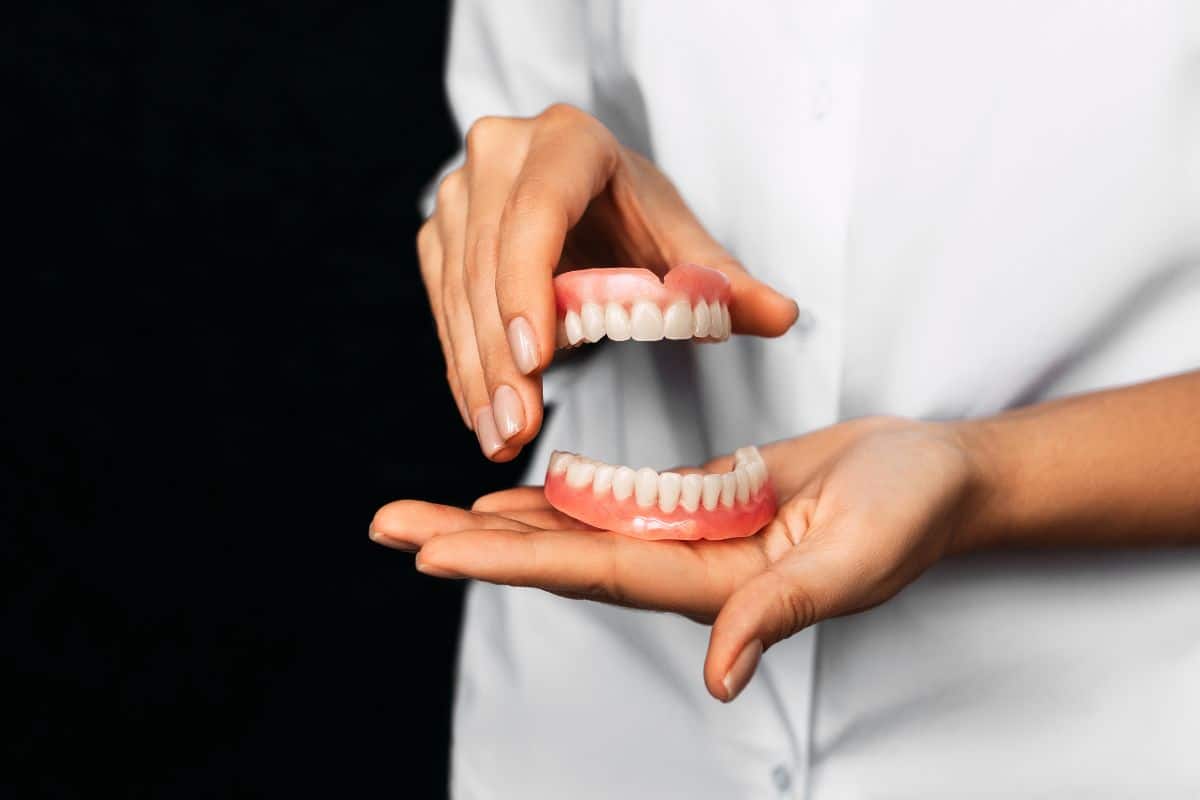
Dentures can make everyday activities such as eating, speaking, and smiling more comfortable, but they still need regular care. Just like natural teeth, dentures can collect food particles, plaque, stains, and bacteria if they are not cleaned properly.
Whether you wear full or partial dentures, establishing a simple daily routine can help keep your mouth feeling clean and your dentures looking their best. If you are considering replacement options, learning about full and partial dentures in Edinburg can also help you understand which type may fit your needs and lifestyle.
The good news? Cleaning dentures does not have to be complicated. With a few minutes of daily care and the right products, you can make denture hygiene a simple part of your routine.
Quick Answer
To clean dentures, remove and rinse them under lukewarm water to loosen food particles. Gently brush all denture surfaces with a soft-bristled brush and a denture-safe cleanser. Rinse thoroughly before wearing them again. When dentures are not being worn, keep them in water or an appropriate soaking solution and avoid hot water that could warp them.
Why Is Daily Denture Cleaning Important?
Dentures sit directly against the tissues inside your mouth, so keeping both your dentures and mouth clean is important for overall oral hygiene.
Food debris and plaque can accumulate on removable dentures just as they can on natural teeth. Over time, buildup may contribute to unpleasant odors, staining, irritation, and other oral health concerns.
Daily cleaning also gives you an opportunity to check your dentures. If you notice cracks, sharp edges, changes in fit, or persistent discomfort, it is better to have them evaluated rather than trying to fix them yourself.
A Simple Daily Denture Cleaning Routine
1. Remove Your Dentures Carefully
Before cleaning, remove your dentures gently. If you use denture adhesive, take time to remove any remaining adhesive from the denture and your mouth.
A useful tip is to clean your dentures over a folded towel or a sink filled with some water. Dentures can be fragile, and this can reduce the risk of damage if they slip from your hands.
2. Rinse Away Loose Food
Hold the dentures under lukewarm or cool running water to remove loose food particles.
Avoid very hot water. High temperatures can alter the shape of some denture materials and may affect how well the dentures fit.
3. Brush the Dentures Gently
Use a soft-bristled toothbrush or a brush designed specifically for dentures. Gently clean all surfaces, including the areas that come into contact with your gums.
Pay particular attention to grooves, spaces around denture teeth, and other areas where food particles may collect.
You do not need to scrub aggressively. Gentle, thorough brushing is preferable to harsh cleaning that could scratch the denture surface.
4. Use a Denture-Safe Cleanser
A denture cleanser can help remove buildup and stains. If you use a soaking product, follow the manufacturer’s instructions carefully and use it only as directed.
Do not put denture-cleaning products directly into your mouth or use a soaking solution while the dentures are being worn.
If you are unsure which type of cleanser is appropriate for your dentures, ask your dental professional for guidance.
5. Rinse Thoroughly Before Wearing
After brushing or soaking, rinse your dentures thoroughly with water before putting them back into your mouth.
This simple step helps remove any remaining cleaning solution or loosened debris.
What About Cleaning Your Mouth?
Cleaning your dentures is only part of good denture care. Your gums, tongue, palate, and any remaining natural teeth also need attention.
If you have partial dentures, continue caring for your natural teeth as recommended by your dentist. Brush your natural teeth with fluoride toothpaste and clean between them regularly.
You can also gently clean your tongue and the soft tissues of your mouth. If your gums are consistently sore, red, swollen, or irritated, schedule a dental evaluation rather than simply changing your cleaning routine.
Should You Sleep With Dentures?
Many removable denture wearers should remove their dentures at night unless their dental professional has given different instructions.
Taking removable dentures out before bed gives the oral tissues a period without the appliance and provides an opportunity to clean and soak the dentures properly.
When dentures are out of your mouth, keep them in water or an appropriate denture-soaking solution so they do not dry out. Always follow the care instructions provided for your particular dentures.
Common Denture-Cleaning Mistakes to Avoid
Knowing what not to do is just as important as knowing how to clean dentures.
Avoid Hot or Boiling Water
Hot water may cause dentures to warp. Use cool or lukewarm water instead.
Avoid Harsh Household Cleaners
Bleach, abrasive powders, and other harsh household products can damage denture materials. Use products specifically intended for denture care or follow your dentist’s recommendations.
Don’t Scrub Too Aggressively
Hard brushing can potentially scratch denture surfaces. A soft brush and gentle technique are usually a better approach.
Don’t Ignore a Poor Fit
Cleaning will not correct dentures that have become loose or uncomfortable. If your dentures slip, cause repeated sore spots, or no longer feel stable, talk with your dentist.
Don’t Forget Partial Dentures
Partial dentures need regular cleaning too. Food can collect around the denture and the natural teeth supporting it, so consistent oral hygiene is especially important.
How Often Should You Clean Dentures?
Dentures should be cleaned every day. A practical routine is to rinse them after meals when needed and perform a more thorough cleaning as part of your morning and evening oral-care routine.
If you eat away from home, simply rinsing your dentures with water after eating can help remove loose food particles until you can clean them properly.
For additional food-related tips, see our guide on foods to avoid when wearing dentures.
When Should You See a Dentist About Your Dentures?
Regular dental visits remain important even if you no longer have natural teeth.
Contact your dentist if you experience:
- Persistent gum or mouth soreness
- Dentures that repeatedly slip or move
- Difficulty chewing because of a change in fit
- Cracks, breaks, or damaged denture teeth
- Persistent irritation beneath the denture
- A noticeable change in how your dentures fit
- Problems that continue despite proper cleaning
A dental professional can determine whether your dentures need an adjustment, repair, replacement, or another solution.
FAQs About Cleaning Dentures
Can I use regular toothpaste to clean my dentures?
Some conventional toothpastes can be abrasive and may scratch denture surfaces. A denture-safe cleanser or a cleaning method recommended by your dentist is generally a better choice.
Can I soak my dentures overnight?
Some dentures can be soaked overnight, but the appropriate soaking time depends on the product and denture materials. Follow the manufacturer’s instructions or ask your dentist which soaking method is suitable for your dentures.
How do I clean partial dentures?
Remove the partial denture and rinse it with lukewarm water. Gently brush the denture with a soft brush and appropriate cleanser, then rinse it thoroughly before putting it back in. Continue brushing and cleaning your remaining natural teeth as part of your regular oral hygiene routine.
Why do my dentures smell even after cleaning?
Persistent odor may result from buildup on the dentures, inadequate cleaning, oral health problems, or other factors. If the odor continues despite consistent cleaning, have your dentures and mouth evaluated by a dental professional.
How often should dentures be replaced?
There is no single replacement schedule that applies to every patient. Dentures may need evaluation or replacement when they become damaged, poorly fitting, uncomfortable, or otherwise no longer function properly. Your dentist can assess their condition and recommend the appropriate next step.
Keep Your Dentures Clean With a Consistent Routine
Learning how to clean dentures is mostly about consistency. Rinse them regularly, clean them gently each day, use denture-safe products, avoid hot water and abrasive cleaners, and give your mouth appropriate attention as well.
If your dentures no longer fit comfortably or you are considering dentures for the first time, Palm Valley Dental can help you understand your options. Patients in Edinburg, can explore denture solutions based on their oral health, needs, and everyday lifestyle.
You can also explore reviews from local patients on Google to get a better sense of the patient experience at Palm Valley Dental.
A few minutes of proper care each day can make denture maintenance easier and help you feel more confident about your oral hygiene.
Recent Post
October 6, 2026
How to Clean Dentures: A Daily Care Routine

September 25, 2026
Signs of Cavities in Children: What Parents Should Know
September 17, 2026
How Long Do Dentures Last? Signs to Replace Them

September 14, 2026
What Foods Can You Eat After Dental Implant Surgery?

September 8, 2026
10 Signs You May Need Root Canal Treatment
Categories
Dentures (5)
Patients love it here

My husband and I visited Palm Valley Dental, and it was a rewarding experience. Dr. Torres and Dr. Trevino are so patient, knowledgeable and professional. Caleb, the Dental Hygienist is also very thorough and courteous. The office staff are so pleasant and helpful as well.


Adalia De Luna
Literally, the first time ever at dentist, went in terrified, left informed on my dental care/plan, and scheduled my return visit for the in depth cleaning. Overall, great experience, staff & doctor were attentive, professional and very receptive to all my questions and even the nervousness I displayed.

Sandra Palomo
I love this place. Aside from the amazing and comprehensive dental services, customer service and my time are really important to me. It is rare to find everything I care about in one place.

Karla DeWald
Dr. Treviño and staff are wonderful!! Very clean environment. Dr is so good I had a filling adjustment without being numbed up!! If that doesn't tell you how good they are, I don't know what will!!

Issa Garcia
I love this place. Aside from the amazing and comprehensive dental services, customer service and my time are really important to me. It is rare to find everything I care about in one place.
Karla DeWald
After experiencing a few negative experiences at a previous dental practice, I cautiously decided to try this new dental place. I had a wonderful first visit here and felt a great relief after my appointment. Everyone I encountered was so kind and friendly, and all my concerns and questions were addressed. I highly recommend. 😊