
Dental Implant Recovery: Timeline and Aftercare Tips
July 22, 2026
Dental Implants
Dental implants are one of the most reliable ways to replace missing teeth, but many patients have one important question before treatment: What is Dental Implant Recovery like?
The good news is that most people recover more comfortably than they expect. While healing takes time because the implant must bond with your jawbone, following the right aftercare steps can help you recover smoothly and protect your long-term results. If you’re considering dental implants treatment in Edinburg, understanding the recovery process can help you feel confident before your procedure.
At Palm Valley Dental in Edinburg, TX, we believe informed patients enjoy better outcomes. Here’s everything you should know about recovering from dental implant surgery.
Quick Answer
Dental Implant Recovery typically involves mild discomfort for a few days, soft tissue healing within one to two weeks, and complete integration of the implant with the jawbone over three to six months. Following your dentist’s aftercare instructions, maintaining good oral hygiene, and attending follow-up visits help promote successful healing.
What Is Dental Implant Recovery?
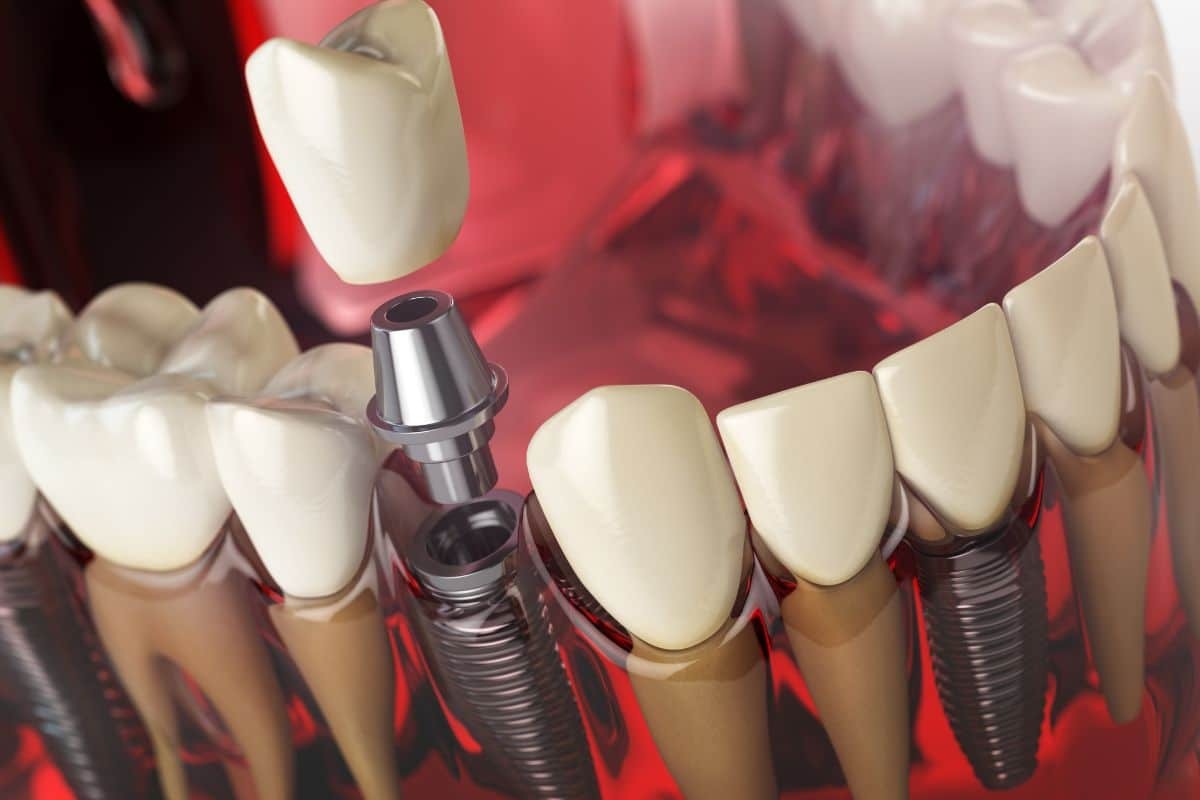
Dental implant recovery is the healing period after an implant is surgically placed into your jawbone. During this time, your body undergoes a natural process called osseointegration, where the implant fuses with the surrounding bone to create a strong, stable foundation for a replacement tooth.
Although complete healing takes several months, most patients return to work and normal daily activities within a day or two.
Many patients receive dental implants after losing a tooth due to decay, trauma, or severe damage that cannot be repaired. If you’re wondering when an extraction may lead to implant treatment, our guide on dental implants for severely cracked teeth explains when an implant becomes the most effective long-term solution.
Dental Implant Recovery Timeline
Every patient heals differently depending on overall health, bone quality, and the complexity of the procedure. However, most recoveries follow a similar timeline.
First 24 Hours
Immediately after surgery, you may experience:
- Mild swelling
- Minor bleeding
- Tenderness around the implant site
- Slight discomfort
Your dentist may recommend:
- Resting for the remainder of the day
- Applying ice packs
- Taking prescribed or over-the-counter pain medication
- Eating soft, cool foods
Avoid smoking, drinking through a straw, and vigorous physical activity during this period.
Days 2-7
Swelling usually peaks around the second or third day before gradually improving.
Most patients notice:
- Less discomfort
- Reduced swelling
- Improved ability to eat soft foods
Continue brushing carefully while avoiding direct contact with the surgical site.
Weeks 2-4
By this stage:
- Gum tissue continues healing.
- Any stitches may dissolve or be removed.
- Most tenderness has resolved.
Although you may feel normal, the implant is still bonding with the bone underneath the gums.
Three to Six Months
This is when osseointegration occurs. During this phase:
- The implant becomes securely anchored.
- Your dentist monitors healing through follow-up appointments.
- Once healing is complete, your permanent crown can be attached.
What Can You Eat During Recovery?
Choosing the right foods helps prevent irritation while supporting healing.
Good foods include:
- Yogurt
- Mashed potatoes
- Smoothies (without using a straw)
- Applesauce
- Scrambled eggs
- Oatmeal
- Soup that has cooled slightly
- Cottage cheese
- Soft pasta
Avoid:
- Hard foods
- Crunchy snacks
- Sticky candy
- Extremely hot foods
- Spicy meals during the first few days
- Alcohol if taking prescription medication
Gradually return to your normal diet as your dentist recommends.
Tips for a Smooth Dental Implant Recovery
Following simple aftercare habits can make a significant difference in your recovery.
Keep the Area Clean
Good oral hygiene reduces bacteria and lowers the risk of infection.
Your dentist may recommend:
- Gentle brushing
- An antimicrobial mouth rinse
- Warm saltwater rinses after the first day
Avoid aggressively brushing the surgical site until instructed.
Take Medications as Directed
If antibiotics or pain medications are prescribed, complete the full course exactly as instructed.
Never stop antibiotics early unless advised by your dentist.
Get Plenty of Rest
Your body heals more efficiently when you allow time to recover.
Try to:
- Sleep with your head elevated during the first night.
- Avoid strenuous exercise for several days.
- Stay hydrated.
Skip Tobacco Products
Smoking significantly slows healing and increases the risk of implant failure.
If possible, avoid smoking throughout the healing process to improve long-term success.
What Is Normal During Recovery?
Many patients worry about symptoms that are actually part of normal healing.
You may experience:
- Mild swelling
- Bruising around the jaw
- Slight bleeding
- Temporary soreness
- Minor difficulty chewing
These symptoms usually improve within several days.
When Should You Contact Your Dentist?
While complications are uncommon, contact your dentist if you notice:
- Heavy bleeding that doesn’t stop
- Severe pain that worsens after several days
- Persistent swelling after one week
- Fever
- Pus or unusual discharge
- A loose implant
Early treatment can help prevent more serious problems.
Benefits of Following Proper Aftercare
Good aftercare doesn’t just improve comfort, it also protects your investment.
Benefits include:
- Faster healing
- Lower risk of infection
- Better implant stability
- Healthier gums
- Long-lasting results
- Improved overall oral health
Dental implants have a high success rate when patients follow professional recommendations and maintain regular dental visits.
Does Dental Implant Recovery Cost More?
Most recovery expenses are already included in your treatment plan.
However, additional costs could occur if complications develop or if patients fail to follow aftercare instructions.
Maintaining excellent oral hygiene and attending follow-up appointments helps avoid unnecessary treatment and protects your investment.
Conclusion
A successful Dental Implant Recovery depends on more than just the procedure itself. Following your aftercare instructions, eating the right foods, maintaining excellent oral hygiene, and attending follow-up visits all contribute to a smooth healing process and long-lasting results.
If you’re ready to restore your smile with dental implants, the experienced team at Palm Valley Dental is here to guide you every step of the way. Call us today at +1 9563292808 to schedule your consultation and learn whether dental implants are the right solution for your smile.
Want to stay informed about helpful dental tips, practice news, and patient experiences? Read our latest Google reviews to explore recent updates and learn more about the care we provide to families throughout Edinburg.
Frequently Asked Questions
How painful is Dental Implant Recovery?
Most patients experience only mild to moderate discomfort for the first few days after surgery. Pain is usually manageable with prescribed or over-the-counter medication, and symptoms improve quickly as healing progresses.
How long does it take for a dental implant to fully heal?
Although the gums often heal within one to two weeks, complete healing of the implant and jawbone generally takes three to six months. Your dentist will monitor this process before placing the permanent crown.
Can I return to work after getting a dental implant?
Many patients return to work within one or two days, depending on the complexity of the procedure and the physical demands of their job. Your dentist will provide personalized recommendations.
What foods should I avoid after dental implant surgery?
Avoid hard, crunchy, sticky, spicy, and very hot foods during the early healing period. Soft foods help reduce irritation while protecting the implant site as it heals.
Is swelling normal after dental implant surgery?
Yes. Mild swelling and bruising are common during the first few days and usually peak around day two or three before gradually improving. Contact your dentist if swelling becomes severe or persists unusually long.
Recent Post

October 6, 2026
How to Clean Dentures: A Daily Care Routine

September 25, 2026
Signs of Cavities in Children: What Parents Should Know
September 17, 2026
How Long Do Dentures Last? Signs to Replace Them

September 14, 2026
What Foods Can You Eat After Dental Implant Surgery?

September 8, 2026
10 Signs You May Need Root Canal Treatment
Categories
Dental Implants (11)
Patients love it here

My husband and I visited Palm Valley Dental, and it was a rewarding experience. Dr. Torres and Dr. Trevino are so patient, knowledgeable and professional. Caleb, the Dental Hygienist is also very thorough and courteous. The office staff are so pleasant and helpful as well.


Adalia De Luna
Literally, the first time ever at dentist, went in terrified, left informed on my dental care/plan, and scheduled my return visit for the in depth cleaning. Overall, great experience, staff & doctor were attentive, professional and very receptive to all my questions and even the nervousness I displayed.

Sandra Palomo
I love this place. Aside from the amazing and comprehensive dental services, customer service and my time are really important to me. It is rare to find everything I care about in one place.

Karla DeWald
Dr. Treviño and staff are wonderful!! Very clean environment. Dr is so good I had a filling adjustment without being numbed up!! If that doesn't tell you how good they are, I don't know what will!!

Issa Garcia
I love this place. Aside from the amazing and comprehensive dental services, customer service and my time are really important to me. It is rare to find everything I care about in one place.
Karla DeWald
After experiencing a few negative experiences at a previous dental practice, I cautiously decided to try this new dental place. I had a wonderful first visit here and felt a great relief after my appointment. Everyone I encountered was so kind and friendly, and all my concerns and questions were addressed. I highly recommend. 😊