
Natural-Looking Dental Implants: What to Expect
November 20, 2026
Dental Implants
Missing teeth can affect more than your ability to chew. They may also change the appearance of your smile and make you feel less comfortable when talking, laughing, or taking pictures. If you’re considering replacing missing teeth, one common question is whether dental implants can look like your natural teeth.
The answer is yes. Modern implant restorations are designed to complement your existing smile by considering the shape, shade, size, and position of your teeth. If you’re exploring tooth replacement options, speaking with an implant dentist in Edinburg can help you understand how implant treatment may restore both appearance and everyday function.
Can Dental Implants Look Like Natural Teeth?
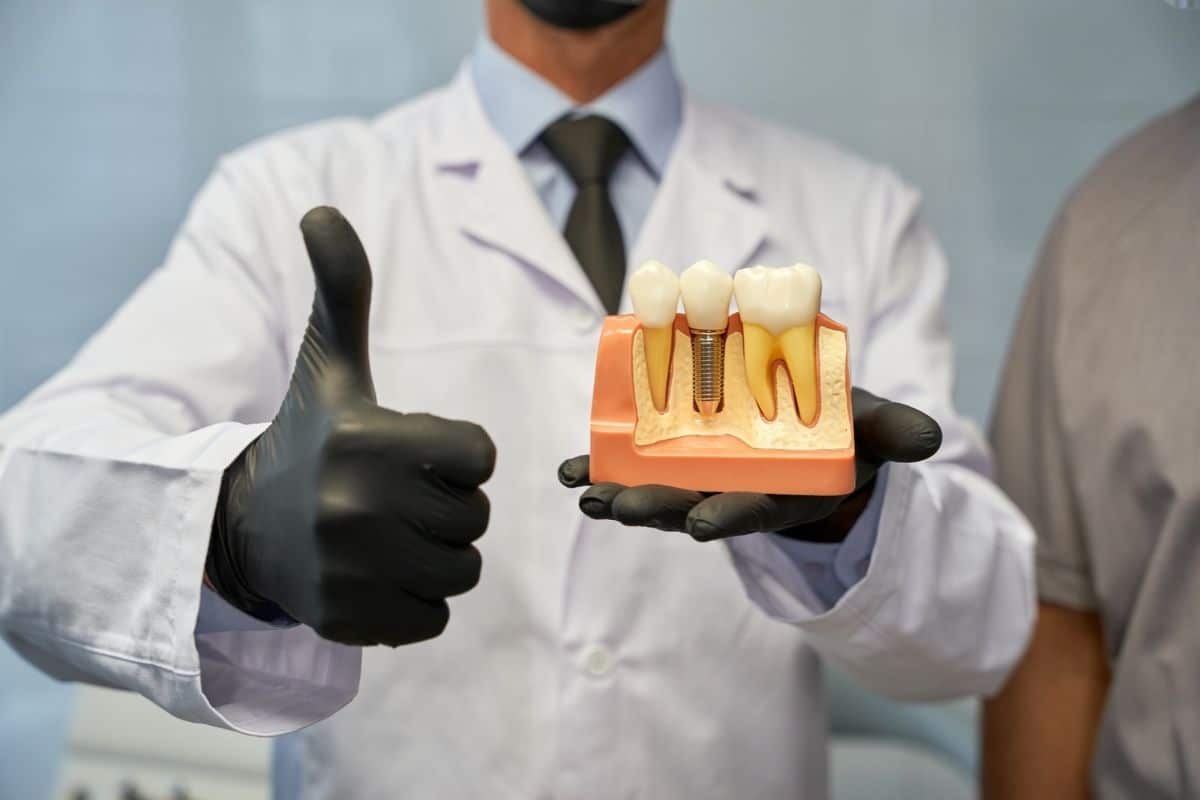
Dental implants can be designed to closely resemble natural teeth. The implant itself serves as a replacement for the tooth root, while a custom-made crown, bridge, or denture provides the visible portion of the restoration.
Because the visible restoration is designed for your smile, dentists can consider several details to help it blend in, including tooth color, shape, proportions, and how it fits with surrounding teeth. The goal is to create a replacement that looks appropriate for your smile rather than noticeably different.
Although every patient’s results vary, dental implants are a popular option for people who want a stable tooth replacement that looks natural and feels comfortable during daily activities.
What Makes Dental Implants Look Natural?
Several factors contribute to the appearance of dental implant restorations. Paying attention to these details helps ensure the replacement tooth fits the patient’s smile.
1. Matching the Color of Your Existing Teeth
The shade of the implant crown is an important part of creating a natural appearance. A crown that is noticeably too white, too dark, or too opaque may stand out from the surrounding teeth.
Your dental team considers the color of nearby teeth when selecting the restoration shade. This is especially important when replacing a front tooth, where small color differences can be more noticeable.
2. Choosing the Right Tooth Shape and Size
Natural teeth have different shapes and proportions. Front teeth, for example, may have a different appearance from premolars or molars. A replacement tooth should fit the space appropriately and complement neighboring teeth.
The crown’s shape, width, length, and contour can influence how balanced your smile looks after treatment.
3. Considering Gum Appearance
Healthy-looking gum tissue helps create a natural frame around teeth. The position of an implant and the condition of the surrounding gum tissue can affect how the finished restoration appears.
Before implant treatment, your dentist evaluates your gums, bone support, and oral health to determine whether additional procedures may be necessary.
4. Proper Implant Position and Restoration Design
The placement of the implant plays an important role in the final appearance. The implant must be positioned with consideration for the available bone, surrounding teeth, bite, and planned restoration.
Proper planning helps the replacement tooth fit comfortably and function appropriately while supporting the overall appearance of your smile.
What Is the Dental Implant Process?
Dental implant treatment generally involves several stages. The timeline depends on your oral health, healing, and whether additional procedures are needed.
Initial consultation: Your dentist examines your mouth, reviews your dental and medical history, and may use imaging to assess bone support and plan implant placement.
Implant placement: The implant post is placed in the jawbone during a surgical procedure. Healing is needed as the implant integrates with the surrounding bone.
Healing period: The implant may need several months to heal before the final restoration is attached. Some patients may require additional treatments or a different timeline.
Final restoration: Once the implant is ready, a custom restoration is attached. The dentist evaluates its fit, appearance, bite, and comfort.
Your treatment timeline may differ depending on whether you need bone grafting, tooth extraction, or other preparatory care.
Are Dental Implants Noticeable When You Smile?
Dental implants are not necessarily noticeable to other people when the restoration is designed to blend with your smile. However, appearance depends on where the missing tooth is located, the surrounding teeth, gum contours, restoration materials, and individual healing.
Replacing a front tooth may require particular attention to shade and symmetry, while molar restorations focus heavily on chewing function and bite alignment.
If you’re concerned that a replacement tooth might look artificial, share those concerns during your consultation. Discussing what you want your smile to look like helps your dental team consider the details that matter to you.
How Can You Maintain the Appearance of Dental Implants?
Dental implants require ongoing care even though the restoration itself cannot develop a cavity like natural tooth enamel.
To help maintain your implant and surrounding tissues:
- Brush twice daily using a soft-bristled toothbrush.
- Clean between teeth and around implants every day using appropriate floss or interdental tools.
- Attend regular dental examinations and professional cleanings.
- Avoid using your teeth to open packages or bite excessively hard objects.
- Follow your dentist’s recommendations if you grind or clench your teeth.
- Contact your dental office if you notice persistent discomfort, bleeding, swelling, or changes in how your implant feels.
Good oral hygiene and routine professional care are important for protecting the tissues around implants and maintaining your restoration over time.
What Should You Eat After Dental Implant Treatment?
Your diet during recovery can affect your comfort and healing. After implant placement, your dentist may recommend soft foods and advise you to avoid hard, crunchy, sticky, or chewy foods for a period of time. Knowing the foods to eat after dental implant treatment can make meal planning easier while your mouth heals.
Foods such as yogurt, mashed potatoes, scrambled eggs, oatmeal, soft pasta, and smoothies may be easier to eat during the early healing stages, depending on your dentist’s instructions. As healing progresses, you may gradually return to a more varied diet. Following the specific aftercare guidance provided by your dental team is important because recovery instructions can differ from one patient to another.
Frequently Asked Questions
Do dental implants look fake?
Dental implants do not have to look fake. The visible restoration is customized to complement the surrounding teeth. Color, shape, size, and placement all influence how natural the final result appears.
Are dental implants as white as natural teeth?
The shade of an implant crown is selected to complement the surrounding teeth. It does not have to be the brightest possible white. Matching the existing tooth color often helps create a more cohesive smile.
How long does it take for dental implants to look finished?
The final appearance is achieved when the restoration is placed after the necessary healing period. The overall timeline varies depending on bone healing, implant stability, and whether additional procedures are required.
Can dental implants improve my smile after losing a front tooth?
A dental implant may replace a missing front tooth and help restore the appearance of your smile. The suitability of treatment depends on your bone, gum health, bite, and individual needs.
Restore Your Smile With a Personalized Treatment Plan
Replacing missing teeth can be an opportunity to restore confidence in your smile and improve everyday function. Natural-looking dental implants are carefully planned to complement the surrounding teeth while considering your oral health, comfort, and long-term needs.
If you’re considering dental implants in Edinburg, Palm Valley Dental can help you explore your tooth replacement options and understand what may be appropriate for your situation. Schedule a consultation to discuss your goals and take the next step toward a healthier, more complete smile.
Recent Post
November 20, 2026
Natural-Looking Dental Implants: What to Expect
November 16, 2026
Dental Crown vs. Filling: Which Is Right for You?
November 11, 2026
How to Care for Dental Crowns: Cleaning Tips That Last
November 10, 2026
Do Dental Bridges Really Last 15 Years? Here’s What Determines It

November 10, 2026
Your Temporary Crown: What to Eat, Clean, and Expect Next
Categories
Dental Implants (13)
Patients love it here

My husband and I visited Palm Valley Dental, and it was a rewarding experience. Dr. Torres and Dr. Trevino are so patient, knowledgeable and professional. Caleb, the Dental Hygienist is also very thorough and courteous. The office staff are so pleasant and helpful as well.


Adalia De Luna
Literally, the first time ever at dentist, went in terrified, left informed on my dental care/plan, and scheduled my return visit for the in depth cleaning. Overall, great experience, staff & doctor were attentive, professional and very receptive to all my questions and even the nervousness I displayed.

Sandra Palomo
I love this place. Aside from the amazing and comprehensive dental services, customer service and my time are really important to me. It is rare to find everything I care about in one place.

Karla DeWald
Dr. Treviño and staff are wonderful!! Very clean environment. Dr is so good I had a filling adjustment without being numbed up!! If that doesn't tell you how good they are, I don't know what will!!

Issa Garcia
I love this place. Aside from the amazing and comprehensive dental services, customer service and my time are really important to me. It is rare to find everything I care about in one place.
Karla DeWald
After experiencing a few negative experiences at a previous dental practice, I cautiously decided to try this new dental place. I had a wonderful first visit here and felt a great relief after my appointment. Everyone I encountered was so kind and friendly, and all my concerns and questions were addressed. I highly recommend. 😊